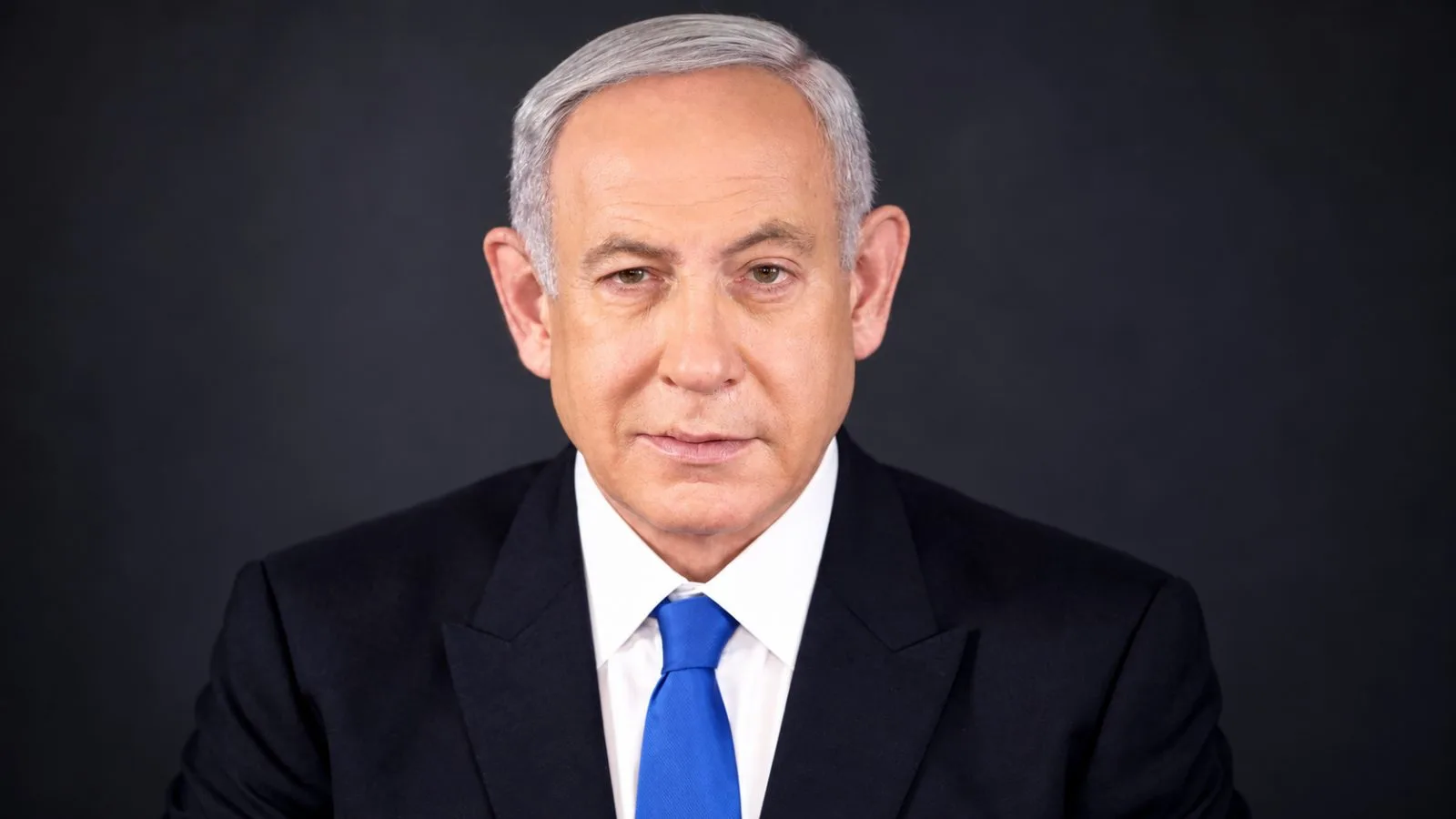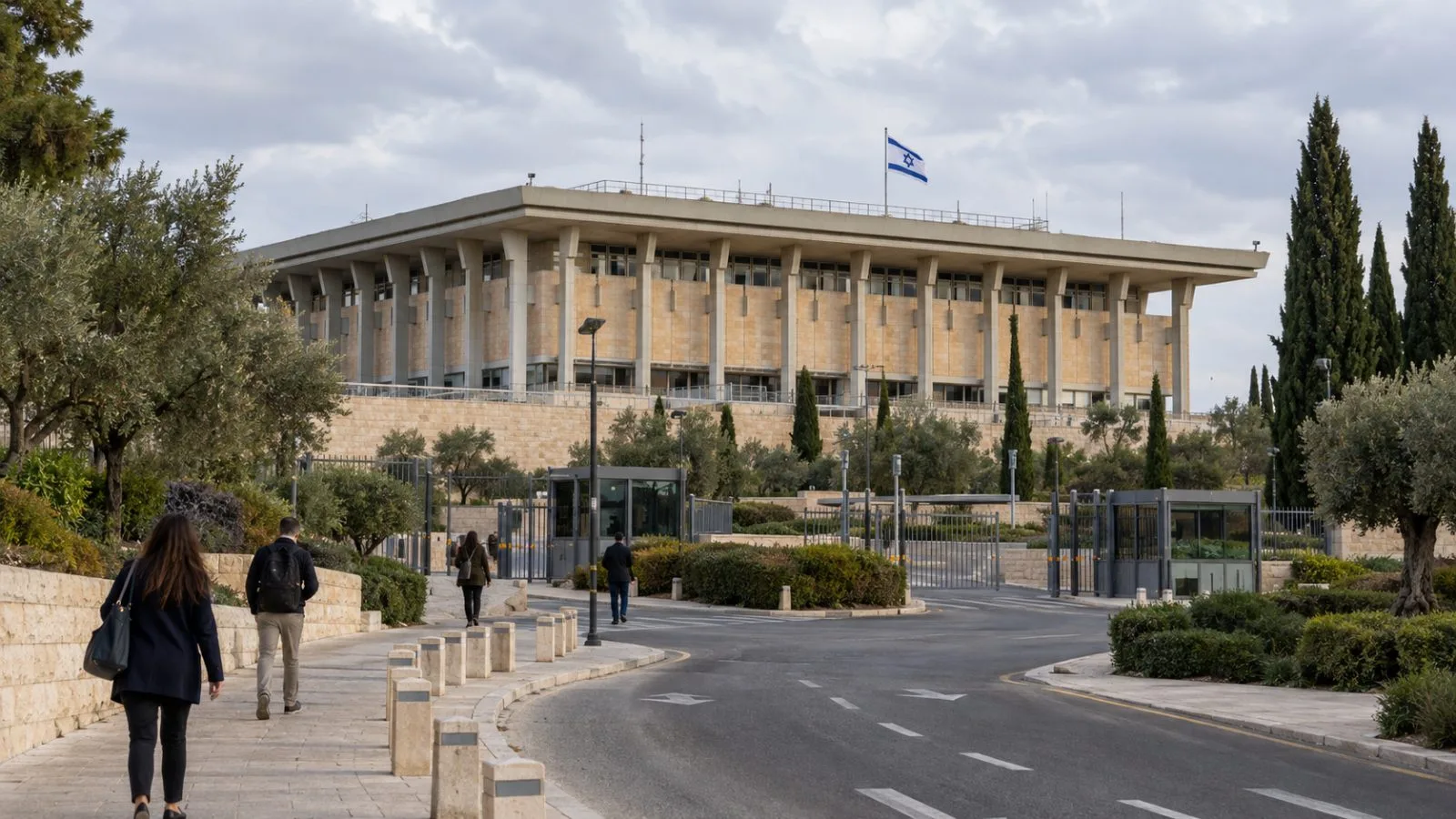
Israel’s Oct. 27 election is shaping up as a coalition contest, with three final polls placing both major blocs below the 61-seat majority needed to govern the 120-member Knesset.
The Times of Israel reported that surveys released Oct. 23 gave Prime Minister Benjamin Netanyahu’s bloc 50 seats, compared with 52 to 56 for parties opposing him. Arab-led parties were projected to win 14 to 16 seats. The surveys estimate seat shares; voters have yet to cast ballots.
An earlier Channel 14 poll, published Oct. 22, projected 60 seats for Netanyahu’s bloc, Axios reported. That result differed sharply from the projections released the next day.
The two leading candidates oppose an independent Palestinian state. In an Aug. 9 statement published by the Prime Minister’s Office and translated from Hebrew, Netanyahu said “a Palestinian state will not be established” while he is prime minister. Gadi Eisenkot, who leads Yashar!, called a two-state solution “a grave mistake” in an Aug. 27 interview with Israel Hayom.
Reuters reported that both candidates say Israeli forces should remain in Gaza until Hamas is disarmed and that fighting could resume if it does not disarm. Reuters also reported that Eisenkot opposes unauthorized West Bank outposts, settler violence and construction in the E1 area, while supporting settlements that comply with Israeli law. The outlet identified The Democrats, led by Yair Golan, as the only prominent Jewish-led party supporting a two-state solution.
Gallup’s Oct. 6 report found that 22% of Israelis and 21% of Palestinians surveyed in the West Bank and East Jerusalem expected permanent peace. Opposition to a two-state solution stood at 65% among Israelis and 58% among Palestinians in those areas; support was 26% and 32%, respectively. Gallup’s Palestinian findings excluded Gaza.
The Associated Press explains that Israeli voters choose party lists. Under Basic Law: The Government, the president consults parliamentary groups after results are published and assigns a Knesset member to form a government. The law does not automatically give the task to the largest party. Voting is scheduled for Tuesday, Oct. 27.