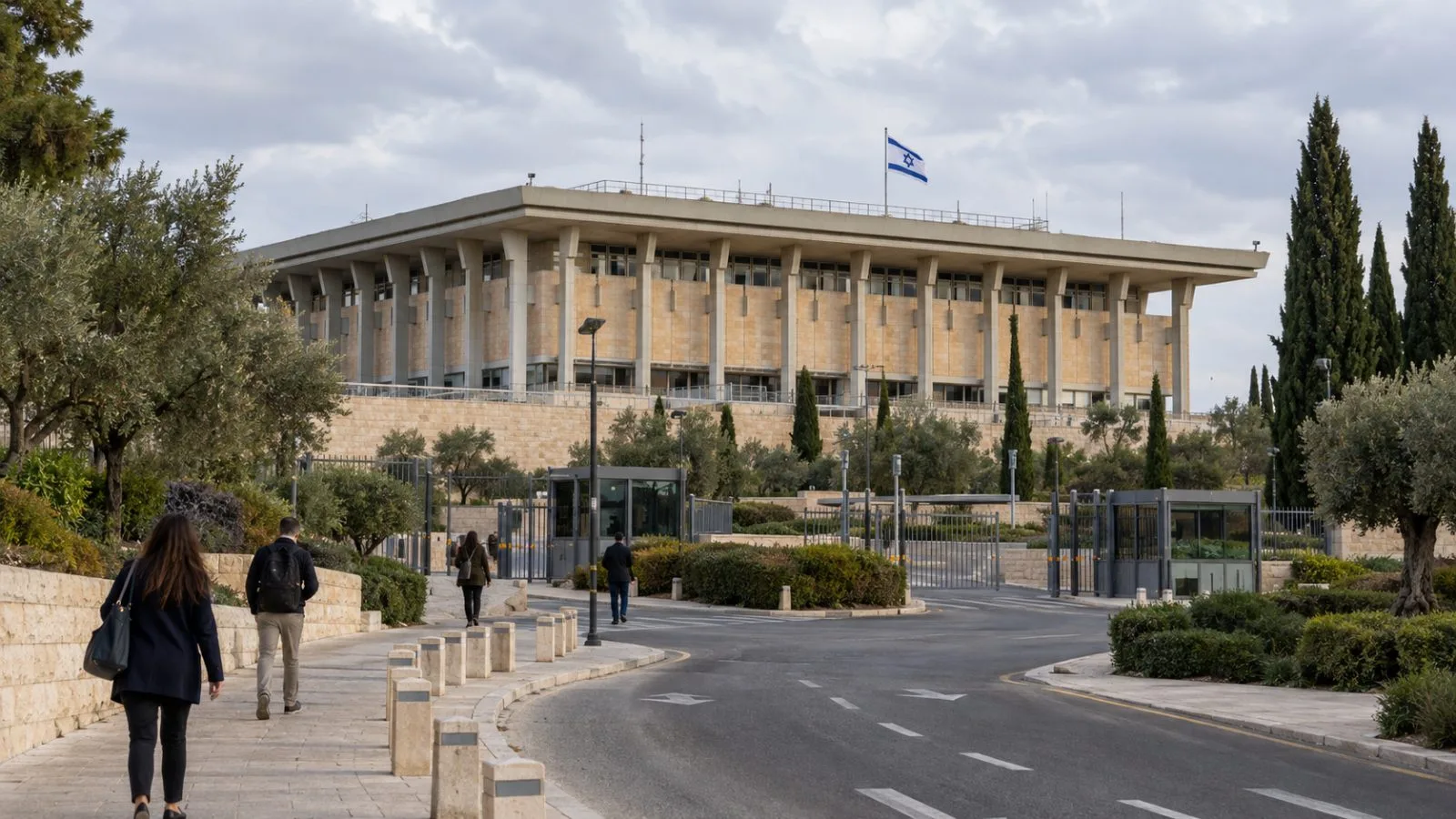
Israel’s Ministry of Defense said roughly 30,000 military and security personnel injured since Oct. 7, 2023, had entered rehabilitation care by Oct. 6, with 63% experiencing psychological reactions ahead of the Oct. 27 election.
In its update, the ministry said reservists made up 62% of the group, while 47% were younger than 30 and 8% were women. It did not report how many had been formally diagnosed with post-traumatic stress disorder.
At a Feb. 3 discussion of a committee in the Knesset, Israel’s parliament, a Defense Ministry rehabilitation official said inquiries to the department had doubled to 1.4 million from about 700,000, while staffing had grown 39%. Applications for recognition rose from about 6,500 a year before the war to roughly 17,000 in each of 2024 and 2025.
A Knesset subcommittee release citing Israel Defense Forces (IDF) figures counted 279 soldier suicide attempts between January 2024 and July 2025. Separately, the ministry said its department treated 91,200 people wounded across all of Israel’s wars; 42,500 had mental-health conditions and post-traumatic stress.
FRANCE 24 reported that Lior Tapicer, a 29-year-old former soldier who served in Gaza, described continuing panic attacks and emotional numbness after leaving the military. “I killed a lot of terrorists and it didn’t make me feel better,” he said. Alon Reshef, psychiatric services director at Clalit-HaEmek Medical Centre, told FRANCE 24, “Society in Israel is ill,” and urged the next government to take mental health seriously.
On July 19, 2026, the Knesset passed legislation giving combat stress reaction a legal definition and creating a committee to consider certain requests from disabled veterans and their families on an ex gratia basis. Israelis are scheduled to elect the 26th Knesset on Tuesday, Oct. 27.