


 Trump Sanctions International Criminal Court, Sparking EU Backlash
  Iran Refuses to Halt Uranium Enrichment Amid US Nuclear Demands
  US, EU Push for Action Against Asia’s Excess Factory Capacity
  Berlin Coalition Talks Advance After Left Party Antisemitism Deal
  Flavio Bolsonaro Leads Lula 49%-45% in Brazil Runoff Poll
  Yandex Data Center Hit by Drone Strike as Russia-Ukraine Cyber Infrastructure Attacks Escalate
  Ripple Chairman Chris Larsen Donates $22.5 Million Ahead of US Midterms
  Zelenskiy Offers Russia Energy Truce Amid Trump Pressure
  Venezuela’s Machado Calls for Elections by July 2027
  Zelenskiy Criticizes US as Russian Strikes Kill 78 in Ukraine
  Trump Cancels Alabama Football Trip as Hurricane Isaias Approaches
  EU Rejects Italy, Greece Calls for Fiscal Rule Flexibility
  Trump Rallies in Texas as Republicans Face Tight Midterm Races
  Italy Approves Electoral Reform Ahead of 2027 Election
  Flydubai Co-Pilot Planned Suicide Attack on Israel Airport, UAE Says
  US Charges Maduro and Wife With Torture Conspiracy
  Trump Calls for Zelenskyy Replacement Amid Russian Diesel Deal


 Add as a preferred source on Google
Israel’s Mossad chief Roman Gofman held a rare phone call with Syrian Foreign Minister Asaad al-Shaibani on August 14, with Turkey’s growing military presence in Syria dominating the discussion, according to three people familiar with the matter.
The high-level contact between Israel and Syria came just days before Israeli forces struck the Abu al-Duhur airbase. The conversation represents one of the most senior known engagements between Israel and the Syrian government led by President Ahmed al-Sharaa.
Sources said Gofman questioned Shaibani about Turkey’s expanding military involvement, including weapons supplied to the Syrian army, drones and other forms of military assistance. Israel has increasingly raised concerns that a stronger Turkish military footprint in Syria could threaten its security.
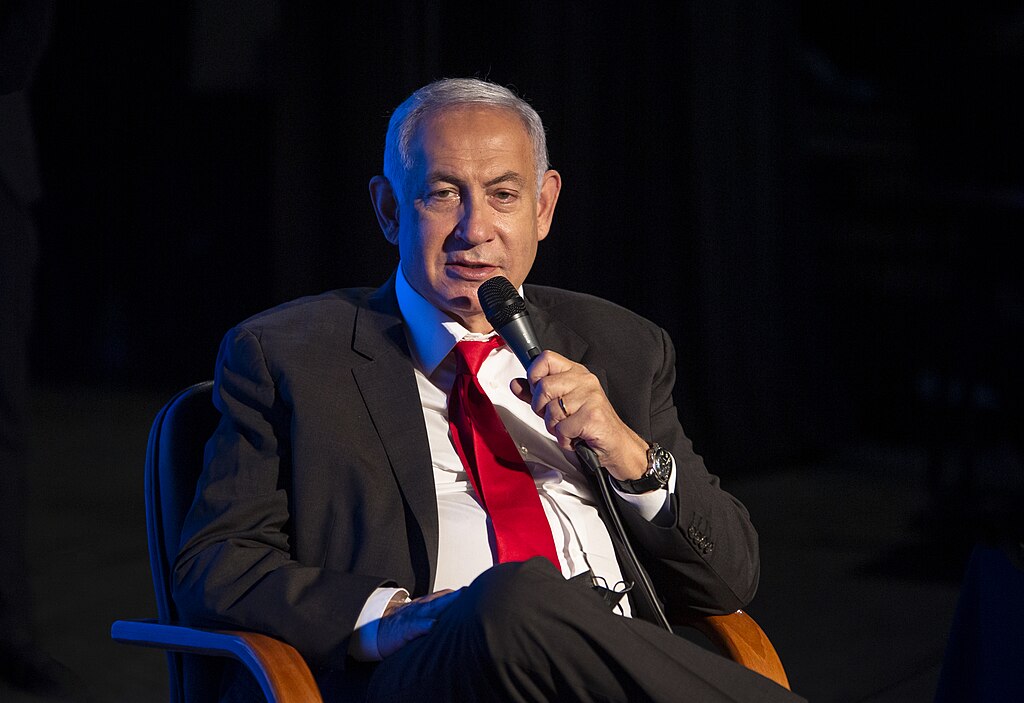
Following the airstrike, Israeli Prime Minister Benjamin Netanyahu said Damascus was close to allowing Turkish troops to deploy at Abu al-Duhur despite repeated Israeli warnings.
“We made it clear to Turkey — Don’t,” Netanyahu said in a video posted on X, adding that Israel would not accept a Turkish military establishment in Syria that it considers a security threat.
Turkey has become a key ally of the Sharaa government since the fall of Bashar al-Assad in 2024. Ankara previously supported rebel groups during Syria’s civil war, and its expanding influence has caused concern in Israel over Turkey’s presence near its northern frontier.
Turkey’s presidency rejected Israel’s accusations, saying they were being used to justify airstrikes that violated Syria’s sovereignty. Ankara said its cooperation with Damascus would continue as part of efforts to promote stability and prosperity.
Meanwhile, Sharaa said in July that Syria was pursuing a security agreement with Israel and seeking international support for a more balanced Israeli policy toward Damascus.
U.S. Ambassador to Turkey and special envoy for Syria and Iraq Tom Barrack described the Israeli strikes as an “unnecessary escalation.” He also said Washington is working on a deconfliction mechanism involving Israel, Turkey and Syria while already facilitating information sharing and dialogue among the three countries.







