A Finance Ministry estimate puts the economic burden of Israel’s prolonged reserve call-ups at about NIS 150 billion for 2023-2026, placing military service costs alongside manpower and household pressures in the Oct. 27 election.
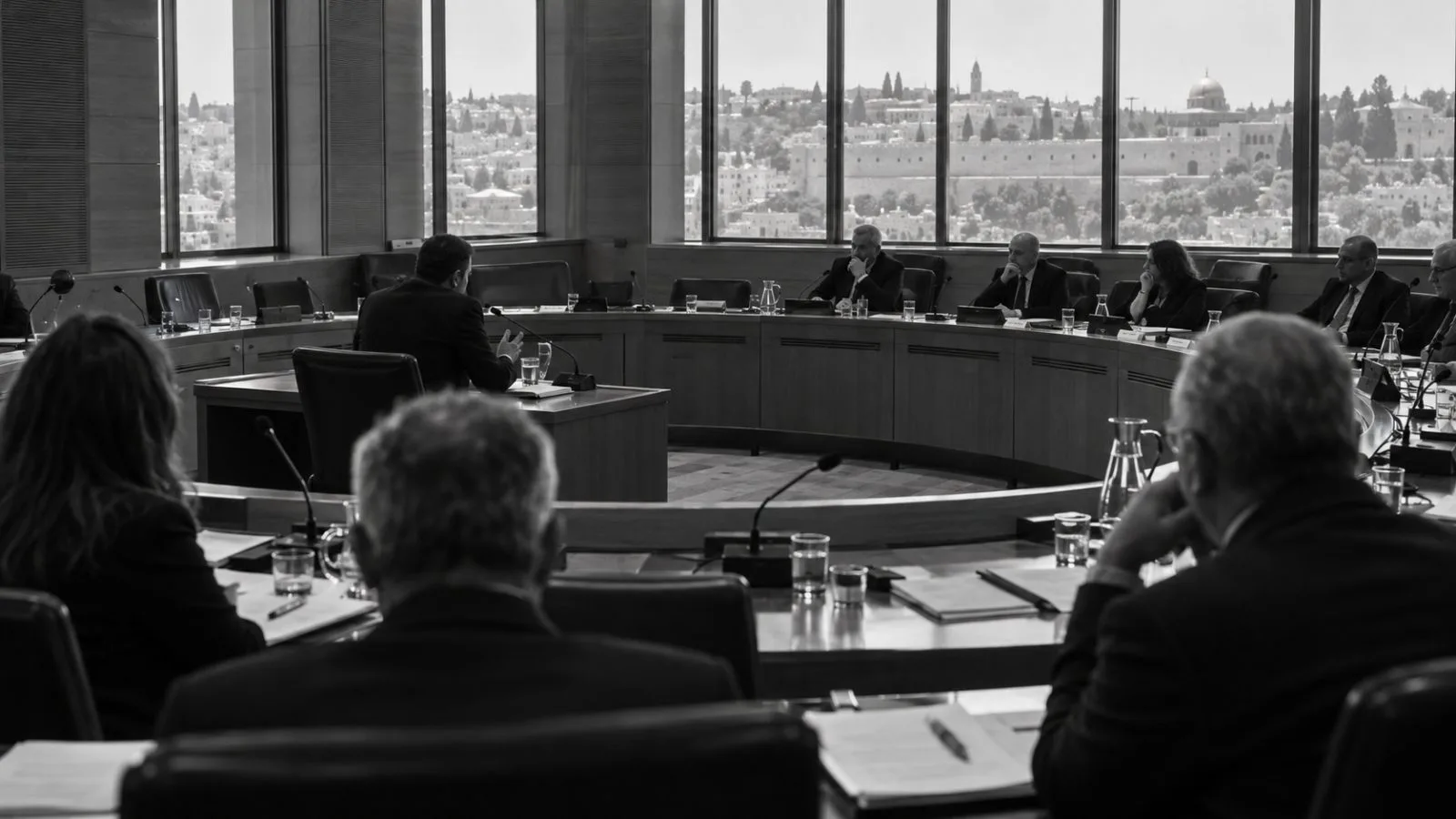
A ministry representative presented the estimate to a Knesset committee, putting the cost at about NIS 50,000 per reservist. The committee release did not provide the calculation method.
The reserve burden has extended across service members’ jobs, studies and family lives. Israel’s State Comptroller and Ombudsman reported that about 318,000 people were called up during the war’s first 10 months, beginning in October 2023. The report also recorded roughly NIS 20 billion in reserve-service benefits from October 2023 to July 2024 and identified shortcomings in compensation and employment protections.
Knesset figures show 207 reserve battalions activated in 2024 and 214 in 2025. In 2025, battalions averaged 140 days of activation; reported attendance was 80% in each year. The comptroller’s report described potential effects on reservists’ income and employment, as well as costs for families, employers and students.
At a separate Knesset hearing, Brig. Gen. Shai Tayeb, head of the Israel Defense Forces (IDF) Human Resources Planning and Management Division, said the military had a personnel shortfall of about 12,000 soldiers, including 6,000 to 7,500 combatants. The discussion covered a bill concerning yeshiva students and a proposal to lengthen compulsory service.
The Knesset said more than NIS 30 billion was added to the 2026 Ministry of Defense budget, bringing it above NIS 142 billion. The Organisation for Economic Co-operation and Development (OECD) said Israel’s comparative price level ranked among the five highest in the OECD in its 2025 survey, while median wages were below the organization’s average. The survey pointed to limited housing supply, trade barriers and weak competition as factors behind high prices.
A Knesset committee began considering a proposed commission of inquiry into the Oct. 7, 2023, attack in January 2026. Under the proposal, coalition and opposition members would agree on six or seven commissioners, who would need approval from 80 lawmakers; the government would set the inquiry’s scope. The Associated Press reported that Gadi Eisenkot’s Yashar! campaign backs a state inquiry and equal military service, with living costs and education among its priorities.
The Central Elections Committee scheduled voting for Tuesday, Oct. 27, 2026, with publication of results set for Nov. 4.