Israel’s completed Oct. 27 election tally leaves Arab-led parties with 19 Knesset seats, making their cooperation potentially decisive for an opposition grouping that remains short of a governing majority.
The Central Elections Committee released the completed tally on Oct. 30, assigning 11 seats to the Joint List and eight to Ra’am. The 53 seats held by Netanyahu-aligned parties and the opposition’s 48 are political groupings, not categories in the committee’s count. A 61-seat bloc would hold a majority in the 120-member Knesset, but a proposed government can win its initial confidence vote with fewer than 61 votes if lawmakers abstain. Adding all 19 Arab-led lawmakers to the opposition would bring it to 67; support from 13 would give it a 61-seat majority. EconoTimes previously covered the projected 19-seat showing and its coalition implications.
That arithmetic faces political resistance. Former prime ministers Naftali Bennett and Yair Lapid have ruled out forming a government with Arab-led parties, The Times of Israel reported. The outlet also reported that Yisrael Beytenu chairman Avigdor Liberman said he would not join a government with Prime Minister Benjamin Netanyahu or Joint List leader Ahmad Tibi. Democrats leader Yair Golan has supported cooperation with Ra’am, according to The Times of Israel. The Associated Press reported that opposition leader Gadi Eisenkot had indicated conditional openness.
Ra’am has previously been part of a governing coalition: it joined the government led by Bennett and Lapid in 2021, according to an Israeli government prospectus. The debate also touches on national identity. The Knesset’s 2018 Nation-State Basic Law reserves national self-determination in Israel to the Jewish people. Political analyst Nimrod Flaschenberg told Al Jazeera that the law feeds into differing views over citizenship and the character of the state.
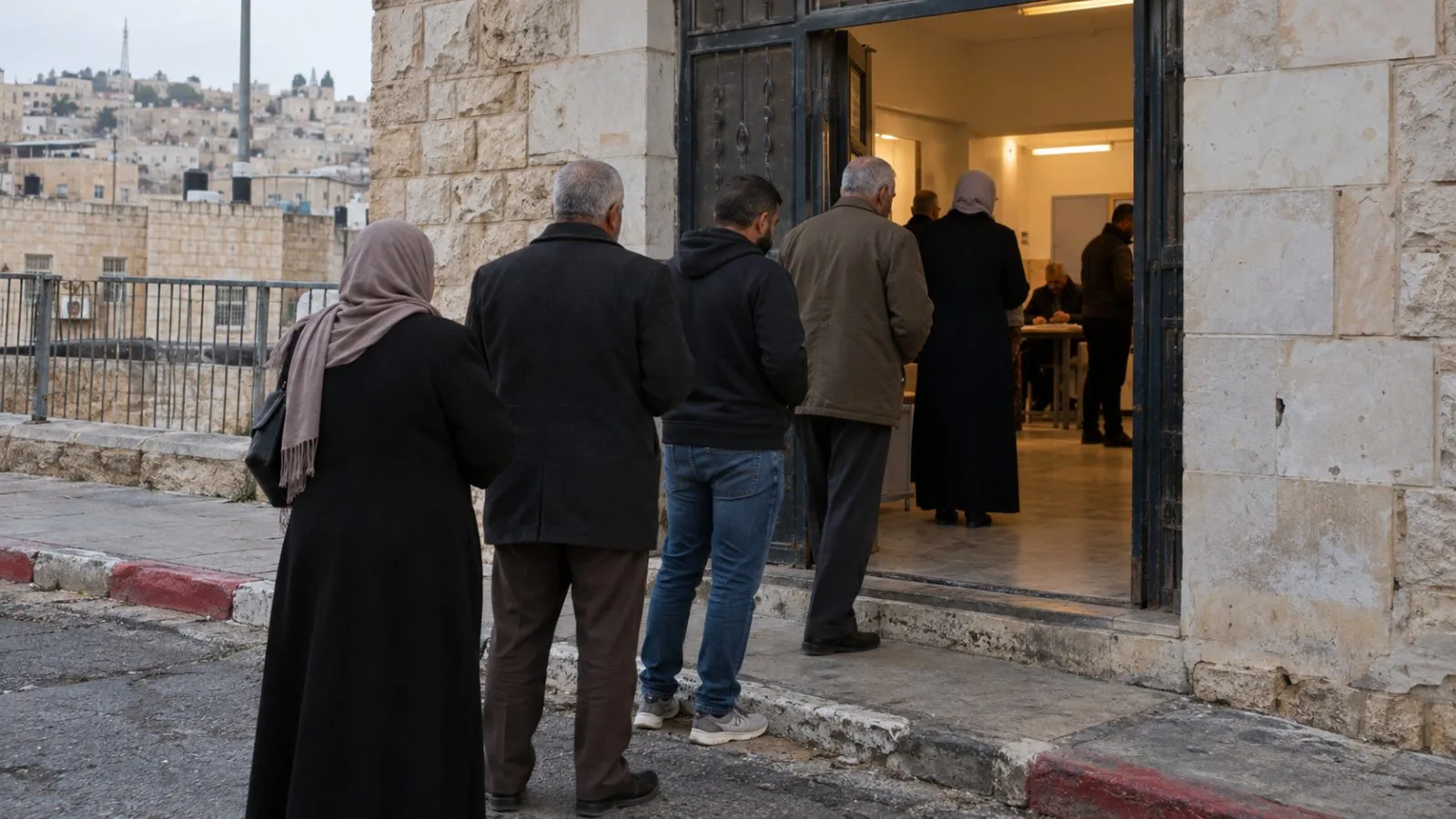
The committee recorded national turnout of 77.9%, with 5,716,665 votes cast. Al Jazeera cited an estimate near 80% for eligible Palestinian voters in Israel, while Le Monde described turnout at nearly that level in Arab or mixed cities. Those accounts describe different groups and do not provide an official nationwide turnout breakdown by ethnicity.
The Times of Israel reported that the committee was scheduled to present the full official results to President Isaac Herzog on Nov. 4, after reviewing complaints or possible counting errors. The Knesset was scheduled to convene on Nov. 10. Herzog’s office said he planned to consult party factions after the results were received.