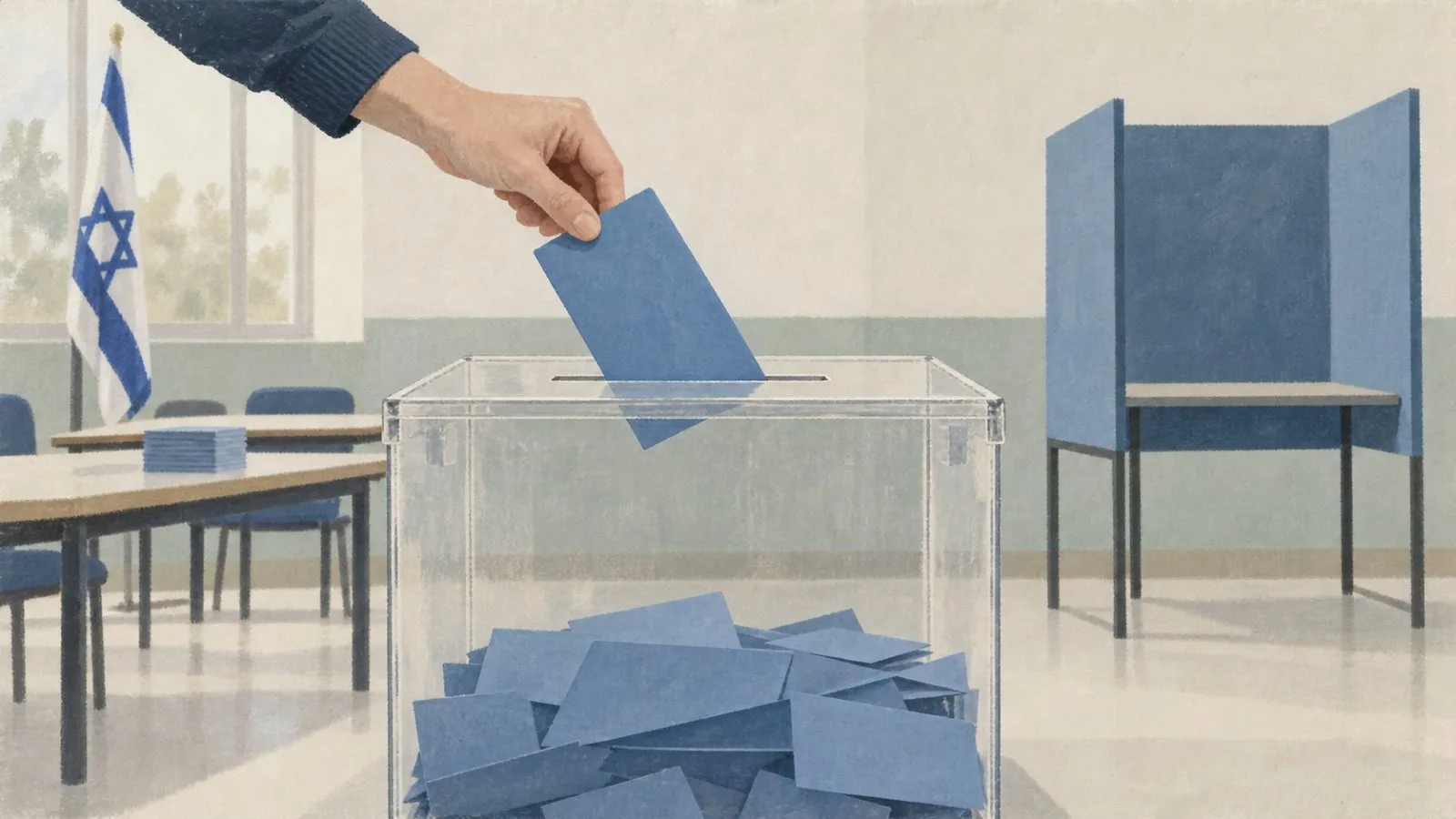
Demonstrators in Tel Aviv and Jerusalem called on Israel’s opposition Saturday to work with Arab-led parties, whose 19 seats could help shape government formation after an election left blocs short of a majority.
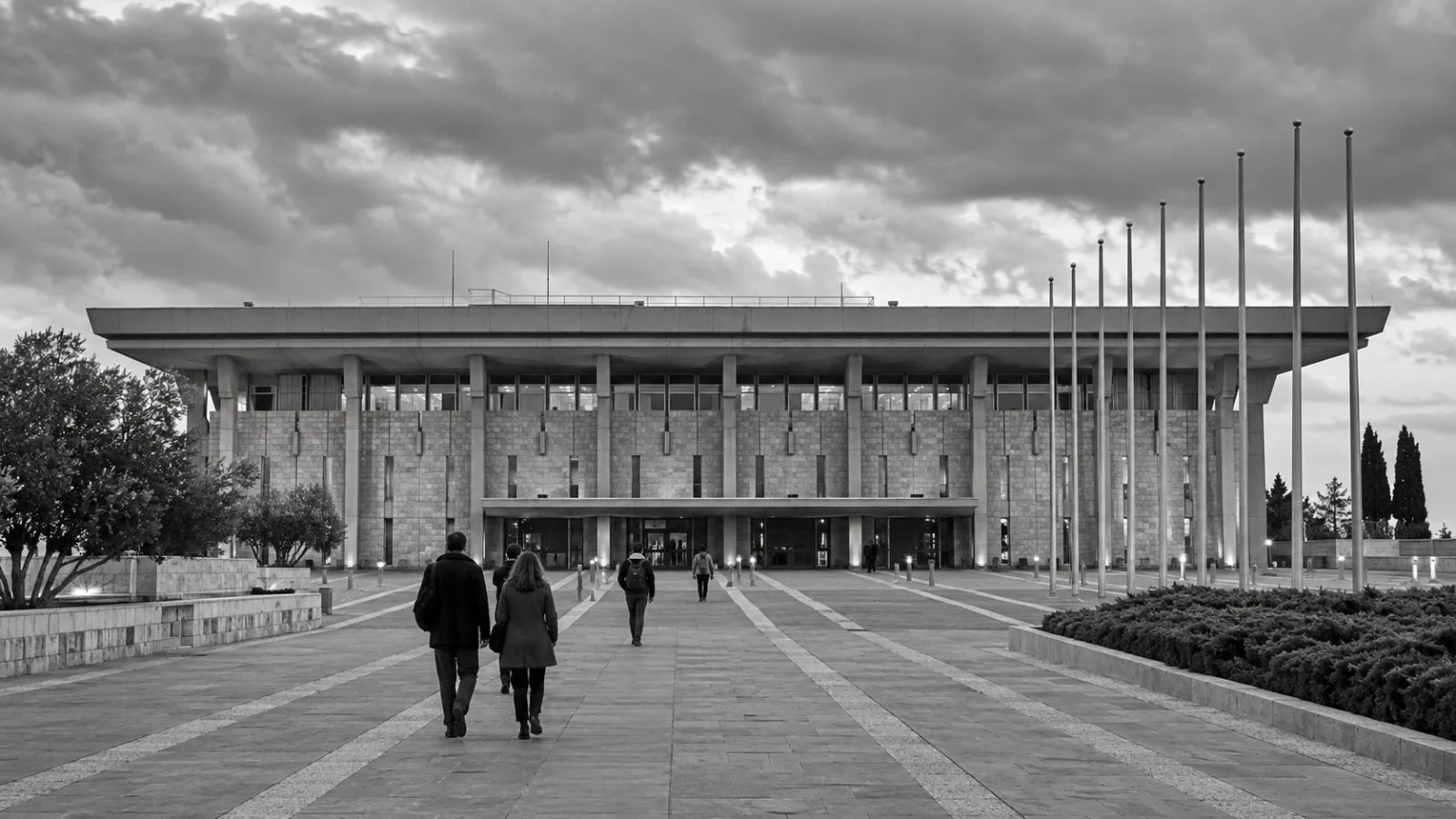
The Central Elections Committee’s count gives parties aligned with Prime Minister Benjamin Netanyahu 53 seats, the Jewish-majority opposition 48 and Arab-led Raam and the Joint List 19 in the 120-seat Knesset. The opposition and Arab parties would have 67 seats together, above the 61 needed for a majority, but that arithmetic does not establish a coalition.
Estimates of the crowds varied. AFP put attendance at about 500 in Tel Aviv and 100 in Jerusalem. The Times of Israel reported about 500 at Tel Aviv’s Habima Square before a march, then estimated about 2,000 at Rabin Square. AFP quoted Ayelet Raz, a 60-year-old psychologist, saying, “It’s the last chance for real change.”
Opposition leader Gadi Eisenkot has called for a “Zionist government” and said its members should recognize Israel as a Jewish and democratic state and commit to dismantling Hamas. He said he would work to form a government “that drafts everyone.” AFP reported Eisenkot had not decided whether to seek a coalition with Arab parties; The Associated Press said he had left that option open under conditions.
Yair Golan, leader of the Democrats, met Raam leader Mansour Abbas on Oct. 29, The Times of Israel reported. Avigdor Liberman, leader of Yisrael Beiteinu, has rejected a coalition that relies on Arab parties, according to the Associated Press. Joint List lawmaker Ahmad Tibi said the party would support an Eisenkot-led government from outside the Cabinet, The Times of Israel reported, quoting his interview with Channel 12.
Raam’s participation in the 2021-22 coalition was the first time an Arab-majority party formally joined an Israeli government, according to the Associated Press and AFP. The Central Elections Committee’s timetable sets Nov. 4 as the deadline for official publication of results. President Isaac Herzog consults elected parliamentary groups before assigning a Knesset member to form a government. The first designee has 28 days, with a possible extension of up to 14 days.