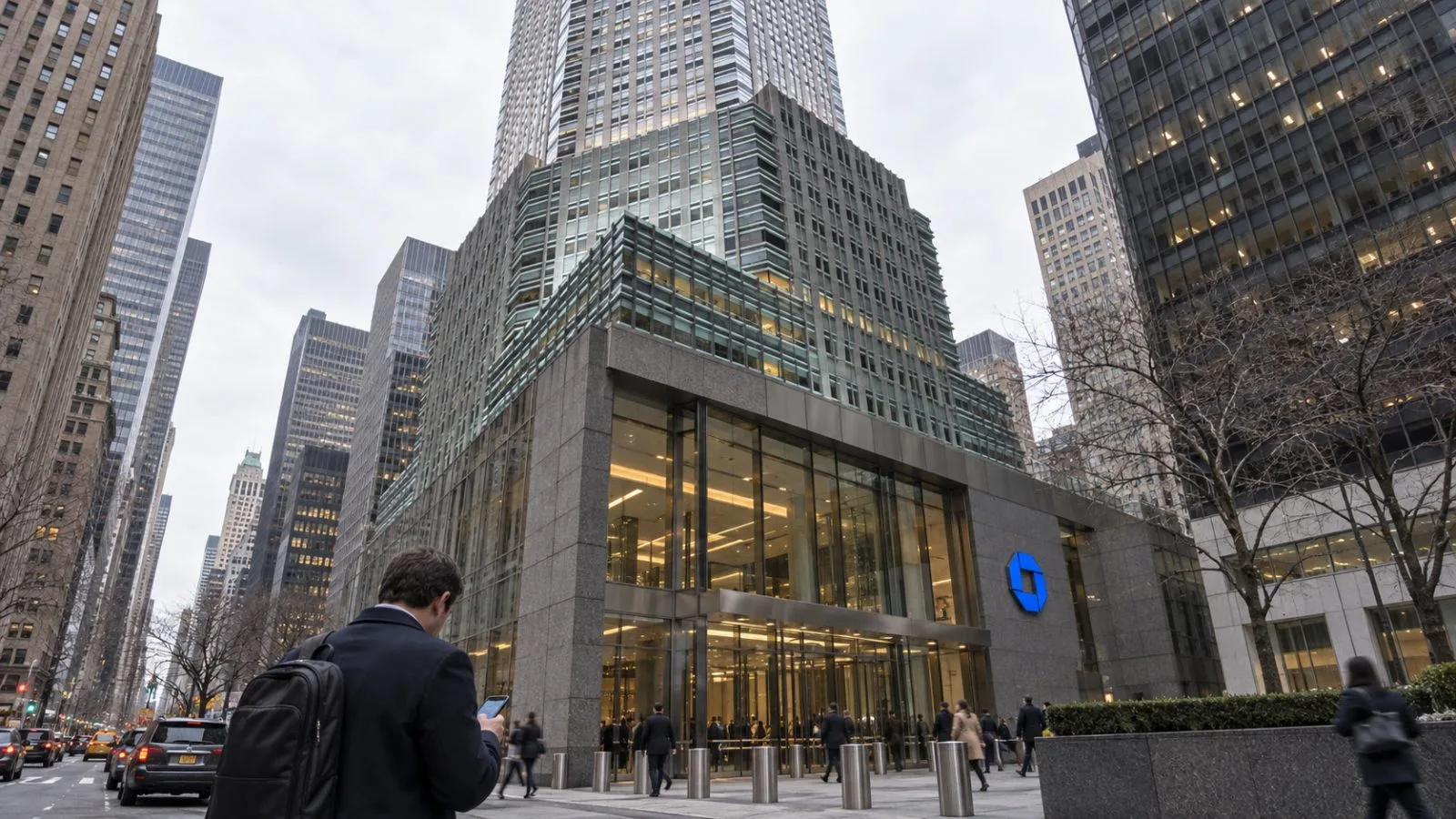
JPMorgan Chase & Co. CEO Jamie Dimon identified five risks to the economic outlook in the bank’s Oct. 13 earnings release, tempering his assessment that U.S. consumer spending and business investment supported growth.
He cited heavy fiscal deficits and persistent inflation alongside high asset prices, climbing interest rates and geopolitical conditions. “These forces may be manageable,” Dimon said, adding that the bank was preparing for a range of outcomes.
The Bureau of Labor Statistics (BLS) published September inflation figures on Oct. 14, a day after Dimon’s remarks. Its consumer price index rose 3.7% over 12 months, compared with 3.4% in August. Those annual figures are not seasonally adjusted.
After seasonal adjustment, the index increased 0.6% from August. Gasoline prices rose 9.1% on that basis, supplying more than half of the overall monthly increase. Excluding food and energy, prices gained 0.3% for the month and 2.6% over 12 months.
The Congressional Budget Office (CBO) had released its preliminary fiscal 2026 budget estimate on Oct. 8. It put the federal deficit at $1.993 trillion, $218 billion more than in fiscal 2025. Federal outlays grew $386 billion, while receipts increased $169 billion.
Interest on federal debt added to that expense. CBO estimated net interest outlays of $1.143 trillion, up $115 billion, or 11%, from the previous fiscal year. The agency tied the increase to a larger debt and higher long-term rates; lower short-term rates limited the rise.
The September consumer price reading uses a different measure from the Federal Reserve’s 2% longer-run inflation goal. The Fed bases that goal on annual changes in the personal consumption expenditures price index.
The Fed is scheduled to meet Oct. 27-28. BLS is due to release October consumer price data Nov. 10 at 8:30 a.m. ET.