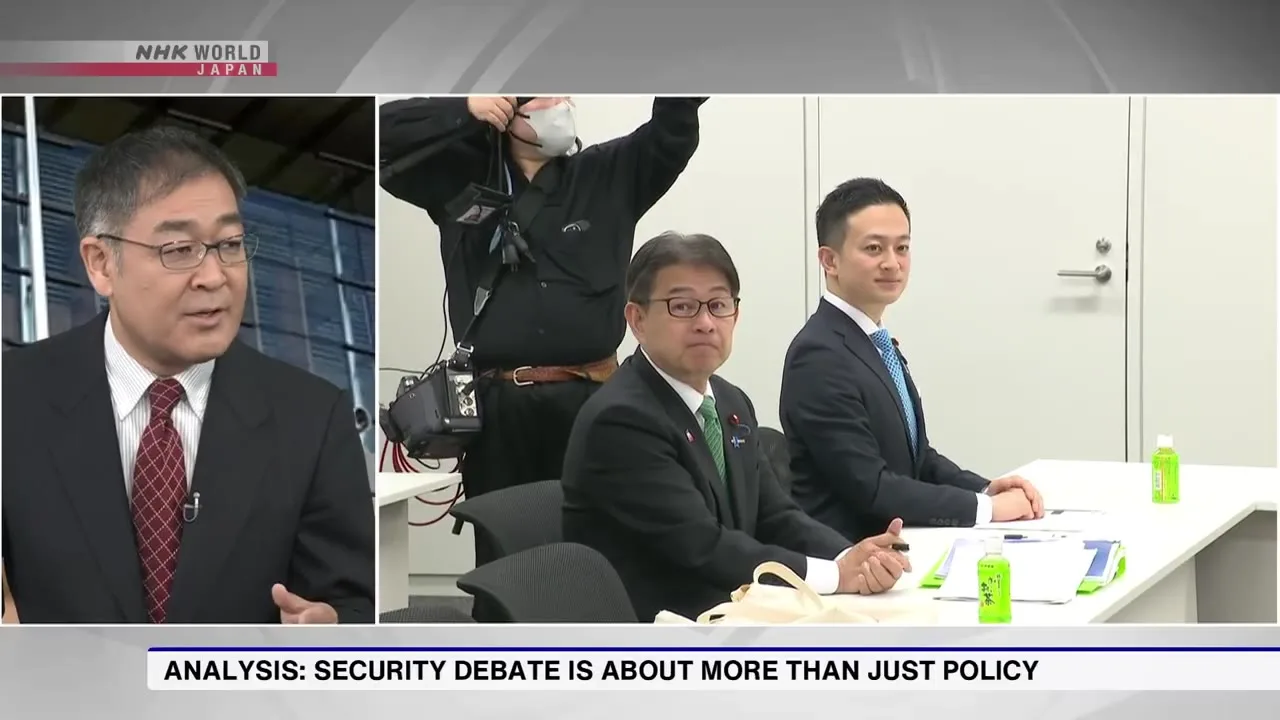
Japan's ruling coalition is debating whether to reconsider the country's three non-nuclear principles as the government prepares to revise its security policies by the end of 2026, NHK World-Japan reported on Nov. 24.
The Liberal Democratic Party has not proposed changing the principles, while its coalition partner, the Japan Innovation Party, wants to reconsider the ban on bringing nuclear weapons into Japan.
The principles say Japan will not possess or produce nuclear weapons, or allow them to enter the country. The coalition has also discussed whether Japan should consider acquiring nuclear-powered submarines and how much it should spend on defense.
The government plans to revise three national security documents adopted in 2022 that set out its basic security and defense policies. The revision had originally been scheduled for 2027, but Prime Minister Takai brought it forward after taking office in 2025.
The government says changes in the security environment are one reason for moving up the review. Tokyo is watching China's rising defense spending and its growing naval activity in the Pacific Ocean and surrounding waters.
The ruling parties began talks in November after preparing separate proposals. Their discussions have also covered defense spending and strengthening Japan's defense industry.
The Liberal Democratic Party's proposals do not mention revising the non-nuclear principles, and some of its members say a review is unnecessary.
The Japan Innovation Party wants a broader review. Its officials say U.S. naval vessels carrying nuclear missiles may seek to make port calls in Japan in the future.
Many opposition lawmakers want to keep the principles. A Democratic Party for the People lawmaker said Japan should avoid giving the impression that it is retreating from nuclear nonproliferation because that could have major diplomatic consequences.
Nihon Hidankyo, a group representing atomic bomb survivors that won the 2024 Nobel Peace Prize, has also raised concerns.
“The three non-nuclear principles have long been a cornerstone of national policy and we must continue to uphold them,” the group's secretary general told NHK. The secretary general also called on people to reflect on Japan's future while remembering the lessons of the atomic bombings 81 years earlier.
In an NHK telephone poll conducted in August, 59% of respondents said the principles should be maintained and 33% said they should be revised.
Japan is the only country where nuclear weapons have been used in war. A decade after the 1945 atomic bombings of Hiroshima and Nagasaki, Japan enacted a law limiting nuclear energy research, development and use to peaceful purposes.
The three non-nuclear principles later became national policy during debate over Japan's security alliance with the United States. The coalition's discussions have yet to settle whether the principles will be reviewed or what level of defense spending Japan will seek.