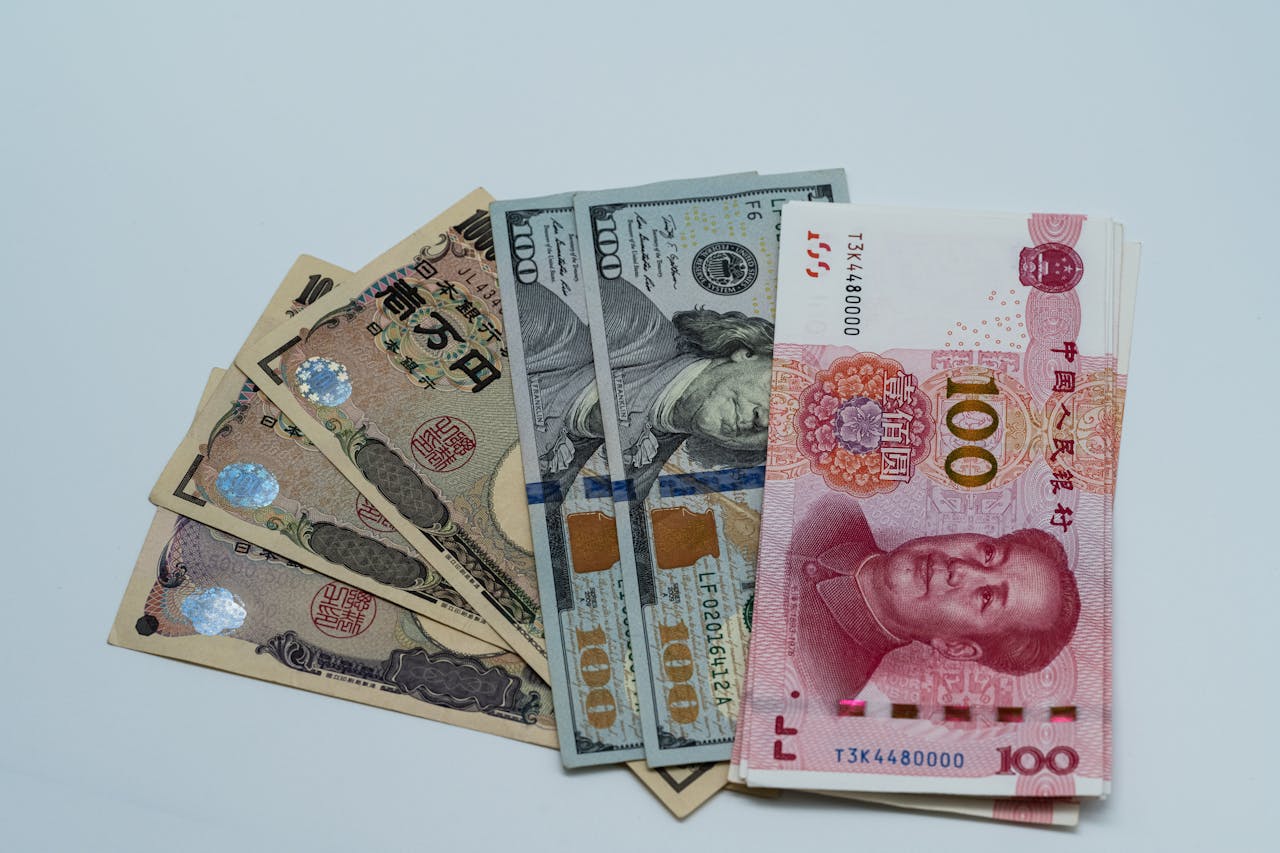
The Japanese yen outperformed other Asian currencies on Friday after the Japanese government signaled plans to encourage the Government Pension Investment Fund (GPIF) to increase investments in domestic assets. The move boosted confidence in the yen, while a softer U.S. dollar and stronger Japanese inflation data added further support.
The USD/JPY pair fell 0.6% to 161.44 after Finance Minister Satsuki Katayama said Tokyo is exploring measures to encourage the world's largest pension fund to allocate more capital to Japanese financial assets. Such a shift could increase demand for Japanese government bonds and strengthen the yen. Following the announcement, Japan's 10-year government bond yield dropped 3.4%.
The yen also benefited from stronger-than-expected producer price index (PPI) data. Japan's producer inflation accelerated to its fastest pace in more than three years in June, driven largely by rising energy costs. The data reinforced expectations that higher wholesale prices could eventually feed into consumer inflation, strengthening the case for additional Bank of Japan interest rate hikes in the coming months.
Despite Friday's gains, the yen remains close to its weakest level in four decades against the U.S. dollar, highlighting ongoing long-term currency pressures.
Meanwhile, the U.S. dollar weakened as investors monitored developments in the U.S.-Iran conflict and reassessed the Federal Reserve's policy outlook. The U.S. Dollar Index slipped 0.3% on Friday and was on track for a second consecutive weekly decline.
Earlier in the week, geopolitical tensions initially supported the dollar amid fears that escalating conflict could fuel energy prices and inflation. However, sentiment shifted after minutes from the Federal Reserve's June meeting revealed policymakers remained divided over the need for additional interest rate hikes. Softer U.S. payroll data also reduced expectations for tighter monetary policy.
Elsewhere in Asia, the Chinese yuan strengthened after recent inflation data showed improving price pressures. The Singapore dollar also advanced modestly, while the Australian dollar gained 0.3%. In contrast, South Korea's won weakened as volatility in local equity markets weighed on the currency, despite the country's recent launch of 24-hour won-dollar trading.