Join Ukraine analyst Andrii Sukharyna said Russian regional communities identified a target in only one of 178 posts about two September strikes on Taganrog, a gap in coverage of Ukraine’s claimed military targets.
In an Oct. 22 opinion analysis for the Kyiv Independent, Sukharyna said the September review drew on posts from more than 1,000 regional Telegram and VKontakte communities and more than 40 nationwide channels. He said none of the 178 local posts mentioned Atlant Aero, which Ukraine’s General Staff said was struck on Sept. 15.
For an earlier attack, the Security Service of Ukraine (SBU) said drones struck two unmanned aerial vehicle storage depots, a facility producing FPV drones, a Pantsir-S2 air defense system, a P-18 Terek radar station and a fuel-and-lubricants storage tank near Taganrog on Sept. 12. The SBU said fires were reported at each location and said strikes on drone facilities would weaken Russian forces’ ability to use them.
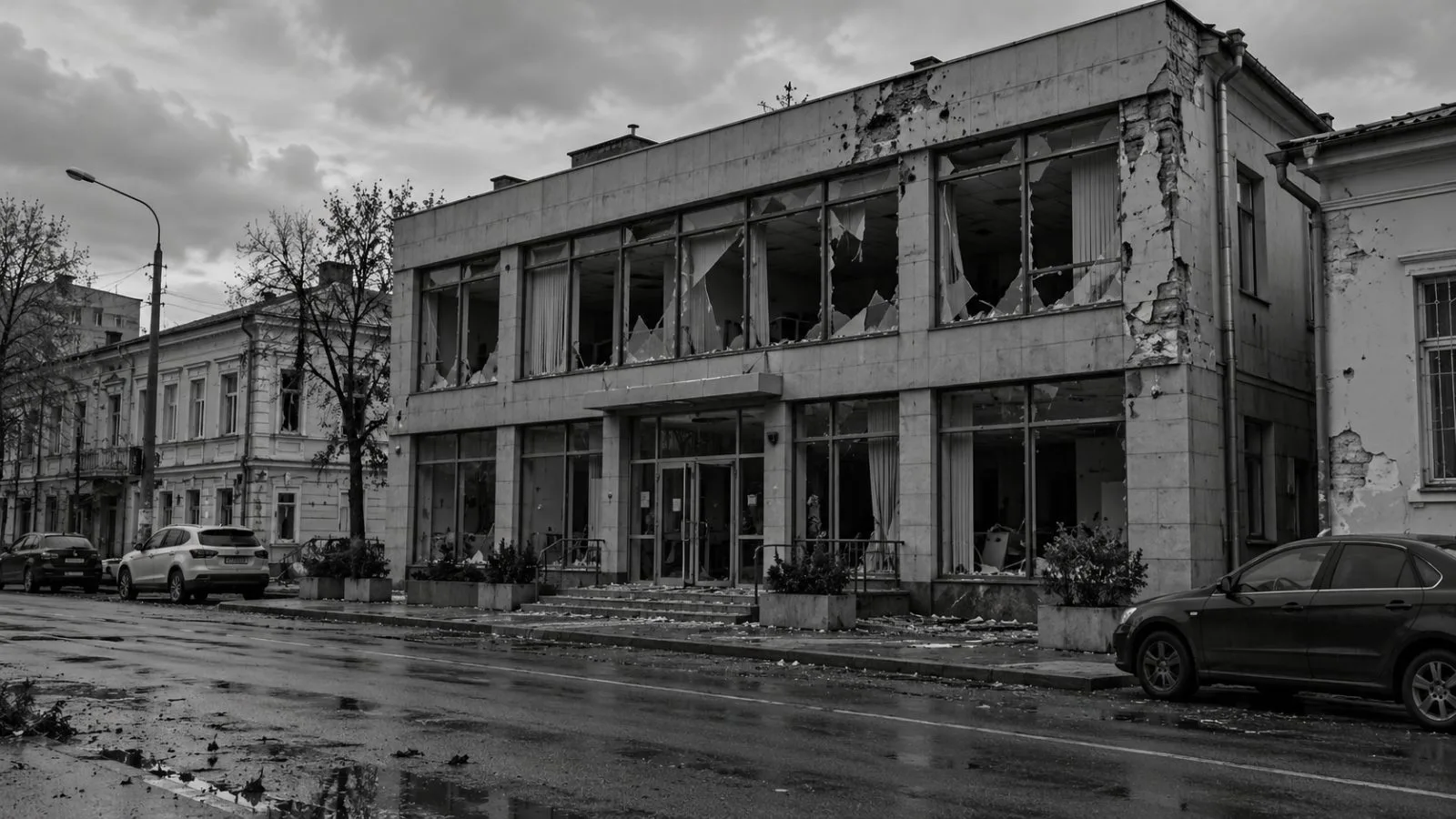
Taganrog’s city head reported damage to 16 commercial buildings and five cars after the Sept. 12 attack. Rostov Region Governor Yury Slyusar described fires at a food warehouse and a Svetofor supermarket, along with damage to the Avangard football club; he attributed the fires to falling drone debris.
Ukraine’s General Staff later reported explosions and a fire at Atlant Aero, which it said makes Molniya drones and components for Orion drones. In a post, Slyusar listed glazing damage to two apartment buildings, three private houses, an educational institution and a commercial building, as well as damage to a gas pipe, agricultural warehouses, a grocery store and an Ozon warehouse.
Sukharyna reported different target-identification rates in separate samples of Taganrog posts: military bloggers identified a target in nine of 16 posts, while independent media did so in 14 of 20. He put typical views at 73,000 for posts by military bloggers about a strike in Russia and 14,000 for posts by independent media. Those figures describe views per post, not unique viewers or the total audience reached. Sukharyna also cited an earlier Novorossiysk sample in which ships were mentioned in just one of 246 regional posts.
A Levada Center survey conducted March 18-26, 2026, found that 61% of respondents got news about Russia and the world from television. The survey covered 1,618 people in 137 localities across 50 Russian regions.
Neither Ukraine’s statements nor Russian officials’ accounts independently verify the full extent of damage at the sites they describe.