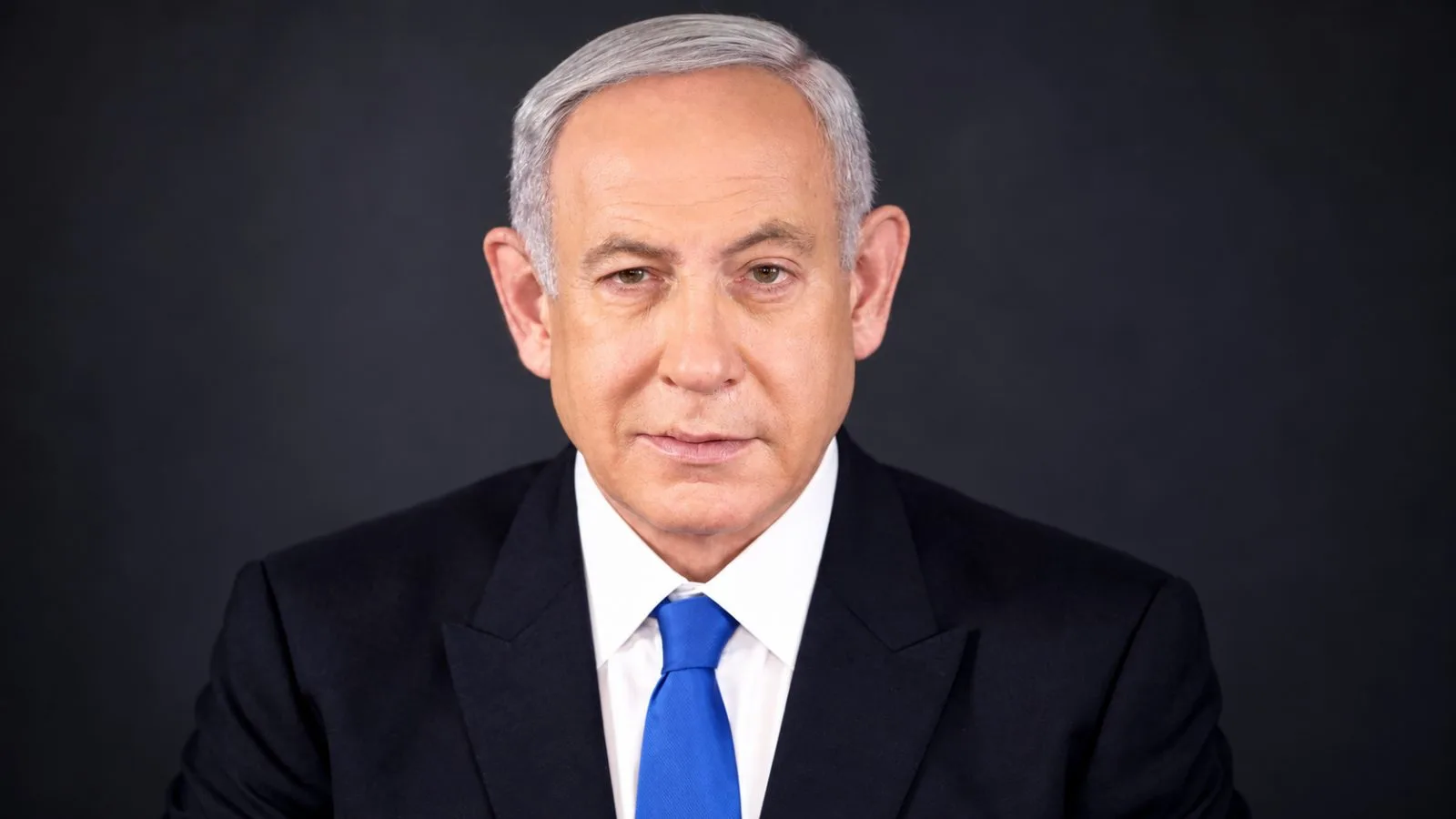
The Joint List signaled willingness to cooperate with Israel’s broader opposition after the Oct. 27 election, as parliamentary bloc head Ahmad Tibi linked Arab turnout to efforts to replace Prime Minister Benjamin Netanyahu’s government.
Tibi said high turnout among Arab citizens demonstrated the Joint List’s political influence, Anadolu Agency reported.
Anadolu described the offer as cooperation with the wider “change bloc,” which includes several parties, among them Yashar, led by former military chief Gadi Eisenkot. The report described cooperation to oust the government, but did not say the Joint List had agreed to join a future cabinet.
The Joint List comprises Hadash, Ta’al and Balad. Before the election, Joint List leader Yousef Jabareen said stronger Arab turnout would make it harder for Netanyahu to form another government. The alliance also aimed to win at least 10 seats in Israel’s 120-member Knesset, as EconoTimes reported in its coverage of the turnout push and seat target.