Julius Berger Nigeria Plc lifted nine-month revenue and pretax profit through Sept. 30, 2026, but higher tax expense and smaller other gains accompanied a 44% drop in after-tax earnings, its unaudited filing showed.
Sales came to ₦657.15 billion, 21.5% above the comparable 2025 total of ₦540.82 billion. Pretax income was ₦35.92 billion, compared with ₦29.89 billion a year earlier, while net profit was ₦10.19 billion against ₦18.25 billion. Group operating profit reached ₦27.37 billion, from ₦24.22 billion, according to statements filed with Nigerian Exchange Limited.
Civil works, building and services generated ₦53.14 billion in combined operating profit. That exceeded the ₦25.77 billion operating loss in diversification, leaving the group with operating profit of ₦27.37 billion. Building sales advanced to ₦162.82 billion from ₦129.44 billion, and services revenue more than doubled to ₦113.13 billion from ₦51 billion. Civil works revenue eased to ₦346.09 billion from ₦350 billion.
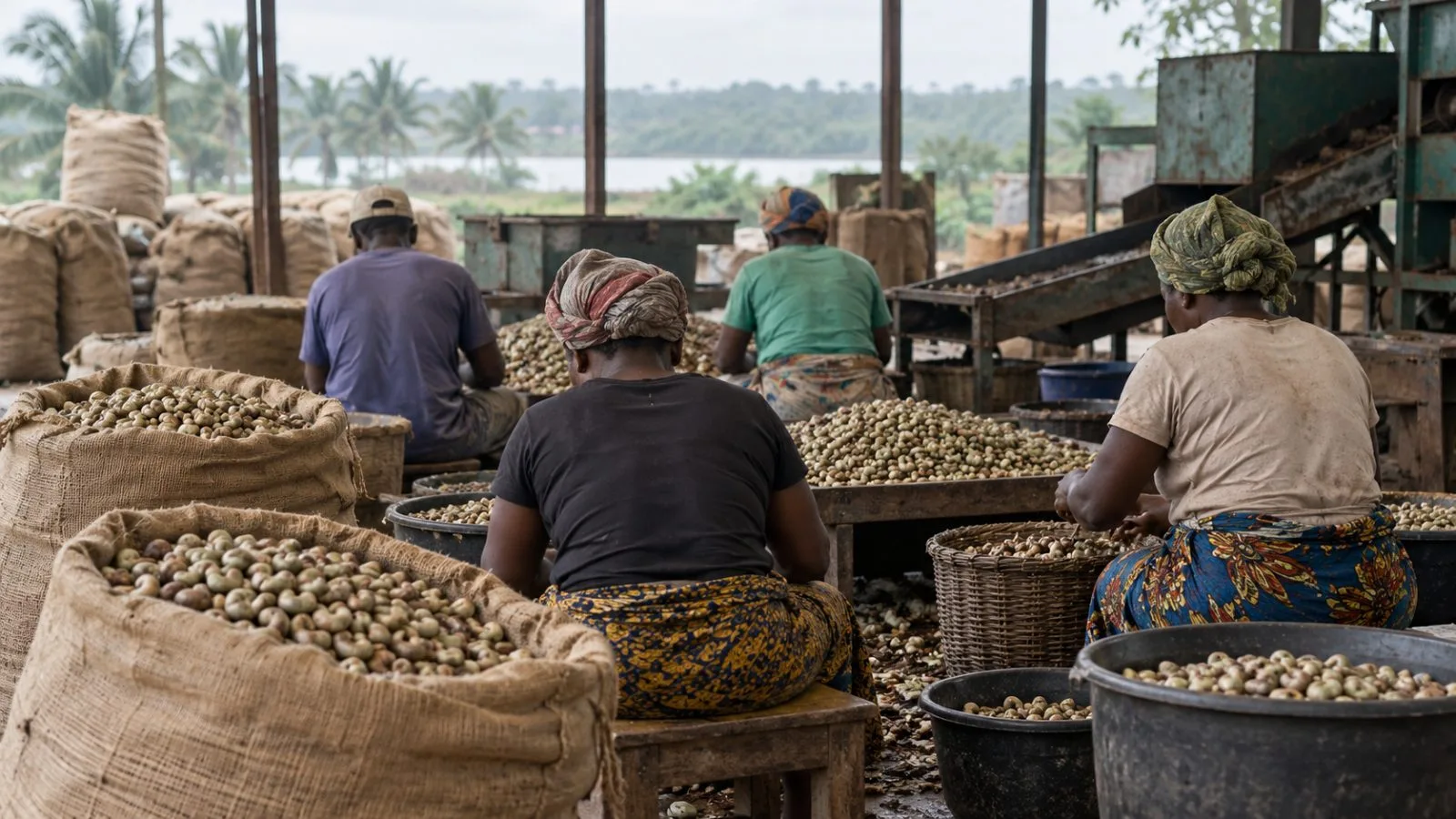
Diversification generated ₦35.12 billion in revenue, versus ₦10.38 billion a year earlier, but its operating loss expanded from ₦6.49 billion to ₦25.77 billion. The filing places cashew processing in Epe, Lagos, and the company’s regional construction expansion in that segment. It does not provide separate financial results for those activities, so the loss cannot be linked to either one individually.
Income tax expense rose to ₦25.73 billion from ₦11.64 billion. Other gains and losses totaled ₦4.29 billion, compared with ₦44.99 billion in 2025. Within that category, the company recorded a ₦2.80 billion foreign-exchange loss, compared with a ₦38.25 billion gain a year before.
Operating activities used ₦22.46 billion in cash, reversing cash generation of ₦20.13 billion in the prior-year period. Cash receipts from customers were ₦544.92 billion, while payments to suppliers and employees amounted to ₦545.75 billion.