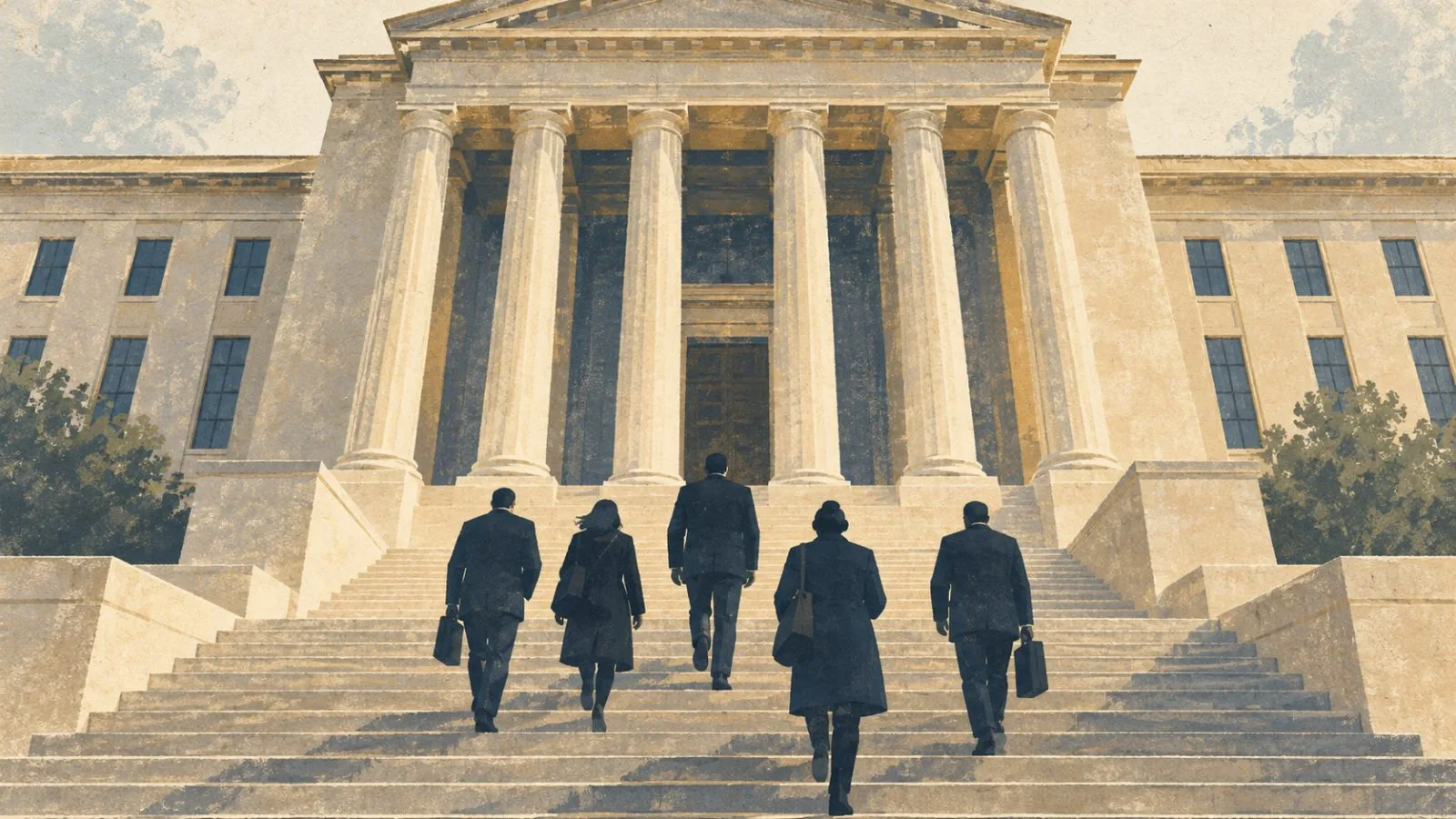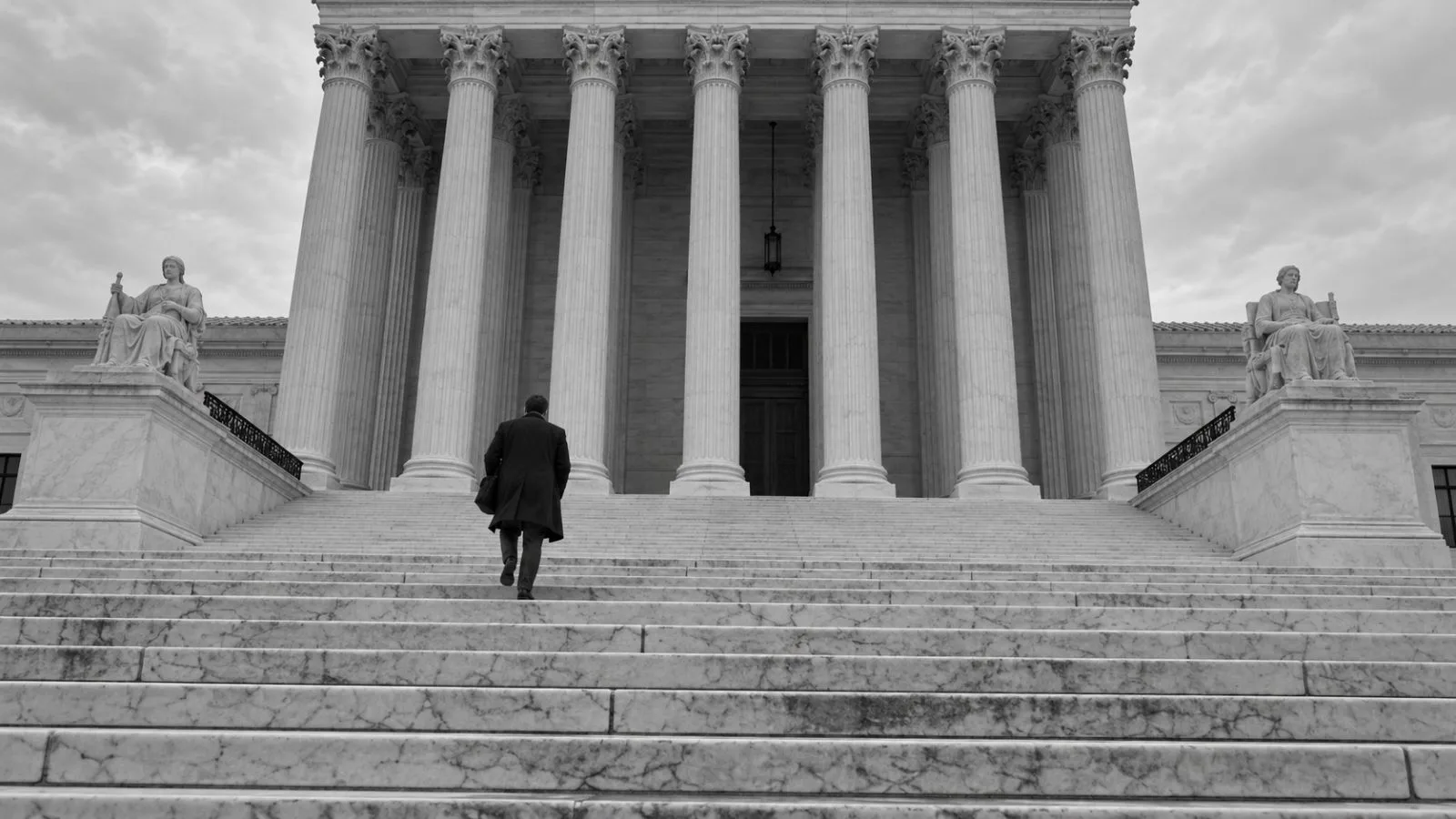
A dispute over $500,000 in farm penalties put the U.S. Department of Labor's (DOL) enforcement process before the U.S. Supreme Court Tuesday, testing when federal agencies must have penalties decided by judges.
NPR reported that DOL assessed the penalty against Sun Valley Orchards, a New Jersey farm operator. The agency cited sanitation and wage violations, including unsafe drinking water, rooms with 20 bunks, broken sinks and wages it said the company had promised but not paid. Sun Valley disputes the findings.
Farmers use a federal temporary-worker visa system for seasonal harvesting, NPR reported. Employers are responsible for workers' pay and basic provisions, while DOL oversees compliance; NPR described the oversight as intended to prevent foreign labor from undercutting domestic workers.
Sun Valley argues that the agency's administrative process is unconstitutional. The farm says it would be denied a jury trial if it appealed to federal court. Its lawyer, Robert Johnson, argued that the statute provides for penalties but does not specify where they should be adjudicated.
NPR reported that Chief Justice John Roberts questioned the scope of executive-branch authority during Tuesday's arguments. Justice Sonia Sotomayor asked about the effects of shifting enforcement from agencies to federal courts. Justice Ketanji Brown Jackson cited Congress' goal of protecting domestic workers, while Justice Brett Kavanaugh questioned whether Sun Valley's proposal would give courts a clear rule.
Deputy Solicitor General Sarah Harris, representing DOL, said requiring federal courts to handle civil penalties could disrupt programs including Medicare, Medicaid and the federal student loan program. She warned that limited court resources could lead to less enforcement and called the approach a “nuclear option.” Harris said the administration would have to go to Congress if the government loses.