Former Pakistani caretaker prime minister Anwaar Ul Haq Kakar told The National that Washington and Tehran’s bargaining positions were obstructing a settlement and said renewed fighting could add to Pakistan’s energy and inflation pressures.
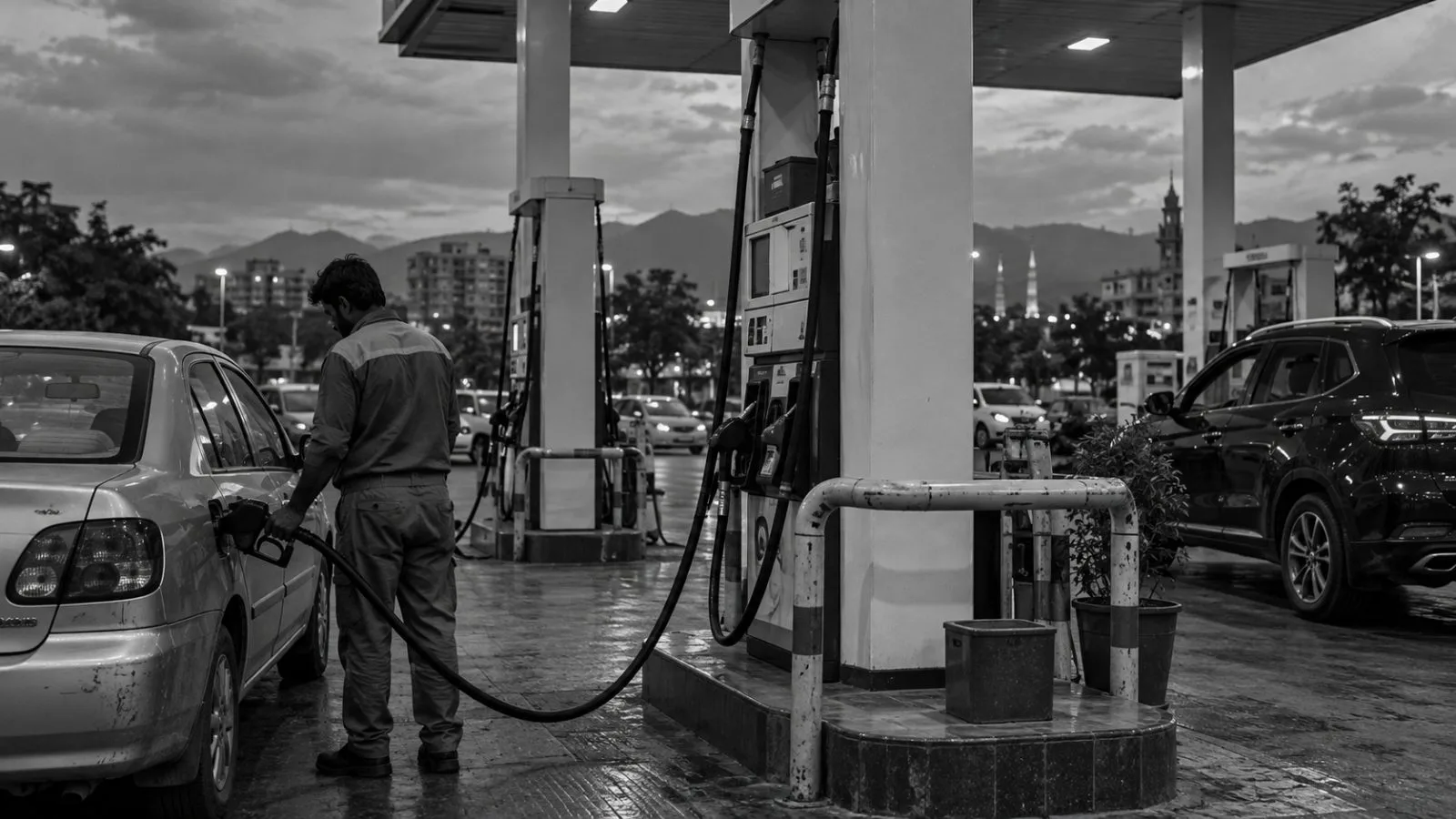
In an interview published Oct. 25, Kakar said Pakistan’s priority was to prevent hostilities from restarting. He said it could take “days or weeks” to see whether that effort would succeed. Kakar called a hard-line negotiating stance “a stumbling block.” In his view, renewed fighting could raise energy prices, while higher petrol and other commodity costs could add to inflation. He gave no estimate of the potential increases.
Pakistan’s Foreign Ministry said ministers representing Türkiye, France, Saudi Arabia, Germany, Pakistan, Italy, Egypt and the United Kingdom met in Istanbul on Oct. 23. They discussed the conflict involving the United States, Israel and Iran, along with other regional issues. The ministers called for diplomacy and lower tensions, and the ministry said they agreed to continue meeting in the same format.
The Islamic Republic News Agency (IRNA) reported that Parliament Speaker Mohammad Bagher Ghalibaf told Pakistani Army Chief Field Marshal Asim Munir that Iran had no new position on talks with the United States beyond seven conditions presented in New York. IRNA said Ghalibaf described the conditions as necessary for Washington to regain Tehran’s trust, but did not list them.
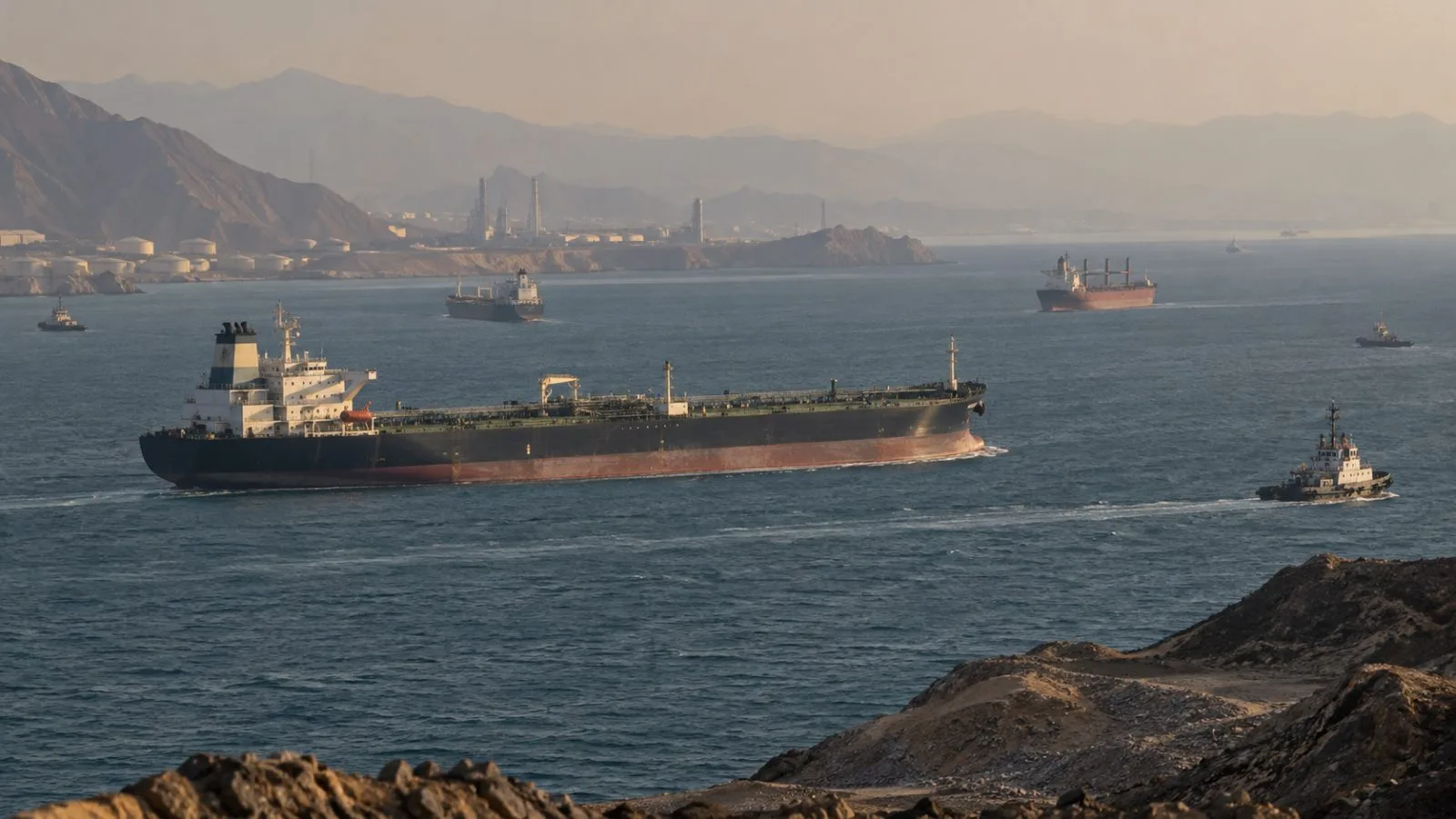
A June 22 statement by Pakistan and Qatar said Washington and Tehran had agreed on a 60-day process aimed at a final agreement. The plan also included technical negotiations and a direct communications channel for addressing incidents that could disrupt commercial shipping through the Strait of Hormuz.