Zerodha co-founder Nikhil Kamath said Indian companies need more risk capital to compete in frontier AI and separately suggested that Indian states compete to attract investment, according to NDTV’s coverage of its World Summit.
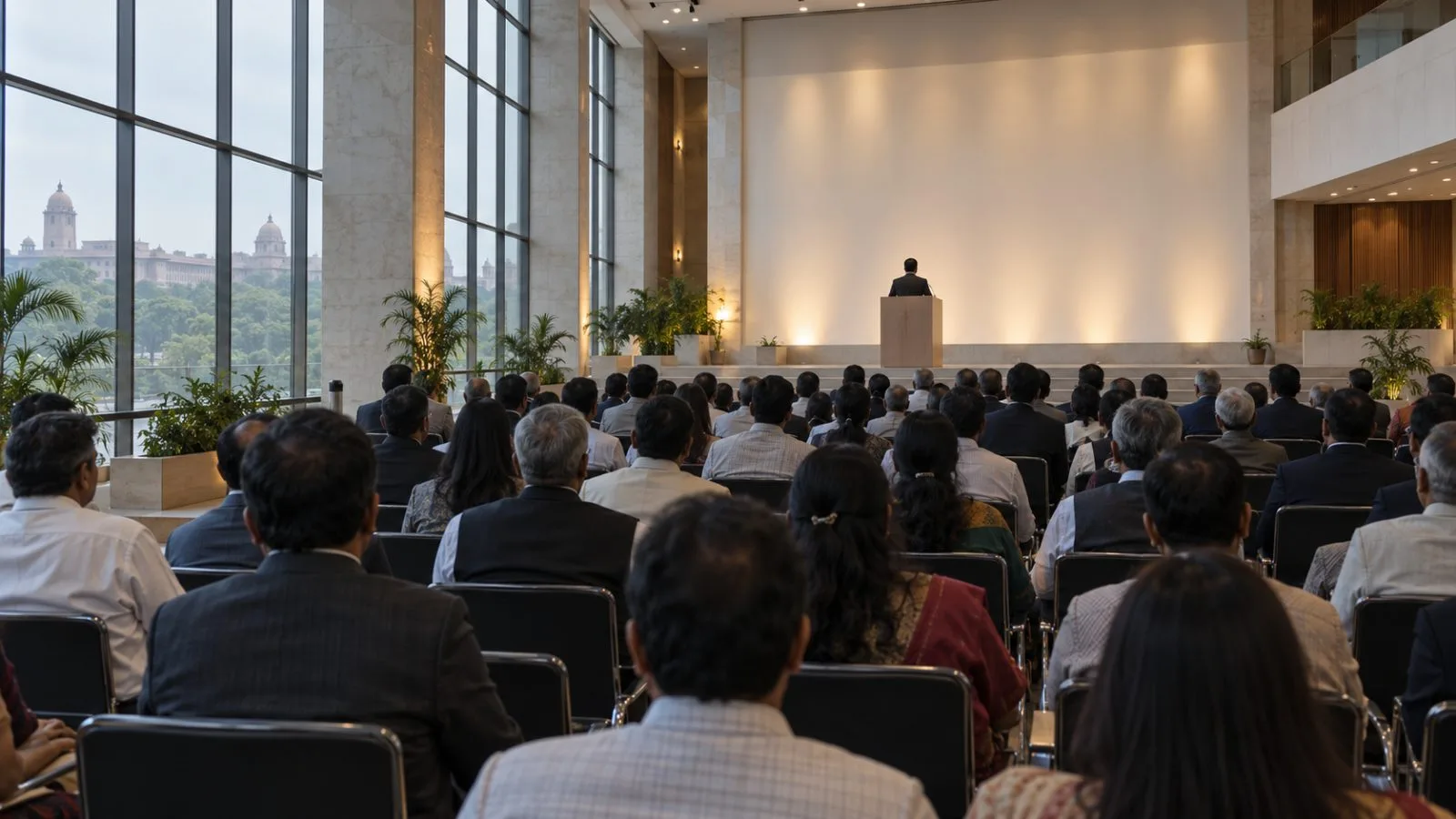
NDTV reported that Kamath made the remarks at the summit in New Delhi on Oct. 22. He said India has the potential to build a major technology company, but that Indian firms do not have funding on the scale available to developers in the United States and China. He argued that this gap makes competing in frontier AI difficult, and said, “I think the odds are low.”
Kamath also cited operating costs as a potential advantage. NDTV reported that he estimated the cost of adding a megawatt in India was 30% to 40% below the level in the West. The figure was his estimate; the report did not set out a specific comparison by country.
On government’s role, NDTV reported that Kamath pointed to competition among Chinese municipalities and provincial governments and asked whether Indian chief ministers could operate more like company executives. NDTV Profit reported that his proposal would depend on states keeping a larger share of the financial gains from the economic activity they attract.
A historical example comes from Hefei’s 2008 support for BOE Technology. In an Oct. 14 article in Works in Progress, authors Ben Southwood and Robin Rivaton describe the city’s backing as an industrial investment that included financing, land and access to utilities. They say BOE later became the world’s largest display-panel manufacturer.
Southwood and Rivaton say local governments can capture returns through equity stakes, taxes and rising land values. Their account also describes trade-offs: investment can leave excess capacity, distort reported growth and create opportunities for corruption. They say Chinese households help fund the system through low returns on deposits and limited options for investing overseas.