Katy Perry, Billie Eilish, and Miranda Lambert are some of the artists who have joined the calls for AI developers to respect musicians' rights. They signed an open letter organized by the non-profit Artist Rights Alliance (ARA) to seek protection from the growing threat posed by artificial intelligence in the music industry.
200 musicians have signed the letter as they collectively speak out against the "predatory" AI that steals their work. They are asking artificial intelligence developers to stop creating tools that are replacing human creatives.
AI: A Big Threat to the Music Industry
Other major artists, such as Stevie Wonder, Jon Bon Jovi, and The Jonas Brothers, also expressed support for the calls against the development of AI tools that are negatively affecting their jobs and can infringe music copyrights. The musicians agree that AI is a real threat to their business environment.
CNN Business reported that the musicians' statement, relayed through the open letter, emphasizes how artificial intelligence tools are poised to change creative industries and even the entire U.S. economy in basic ways that are not yet fully understood, even today when technology continues to grow.
The artists said that AI threats that they do not want to be in the music industry include voice cloning tools and deepfakes. They also mentioned the irresponsible uses of the technology, such as the AI sound, which is used to reduce royalty payments to artists. They also pointed to the AI developers' use of musical works without proper permission from owners.
Musicians' Demands from AI Developers
In the open letter, ARA asks AI developers, digital music platforms, and technology companies to stop using AI to infringe and devalue the exclusive rights of human artists. They want complete protection from AI, which is slowly infiltrating the business and taking away the jobs and rights of human musicians.
"Working musicians are already struggling to make ends meet in the streaming world, and now they have the added burden of trying to compete with a deluge of AI-generated noise," ARA's executive director, Jen Jacobsen, said in a blog post. "The unethical use of generative AI to replace human artists will devalue the entire music ecosystem - for artists and fans alike."
The group also said, "We must protect against the predatory use of AI to steal professional artists' voices and likenesses, violate creators' rights, and destroy the music ecosystem. We call on all digital music platforms and music-based services to pledge that they will not develop or deploy AI music-generation technology, content, or tools that undermine or replace the human artistry of songwriters and artists or deny us fair compensation for our work."
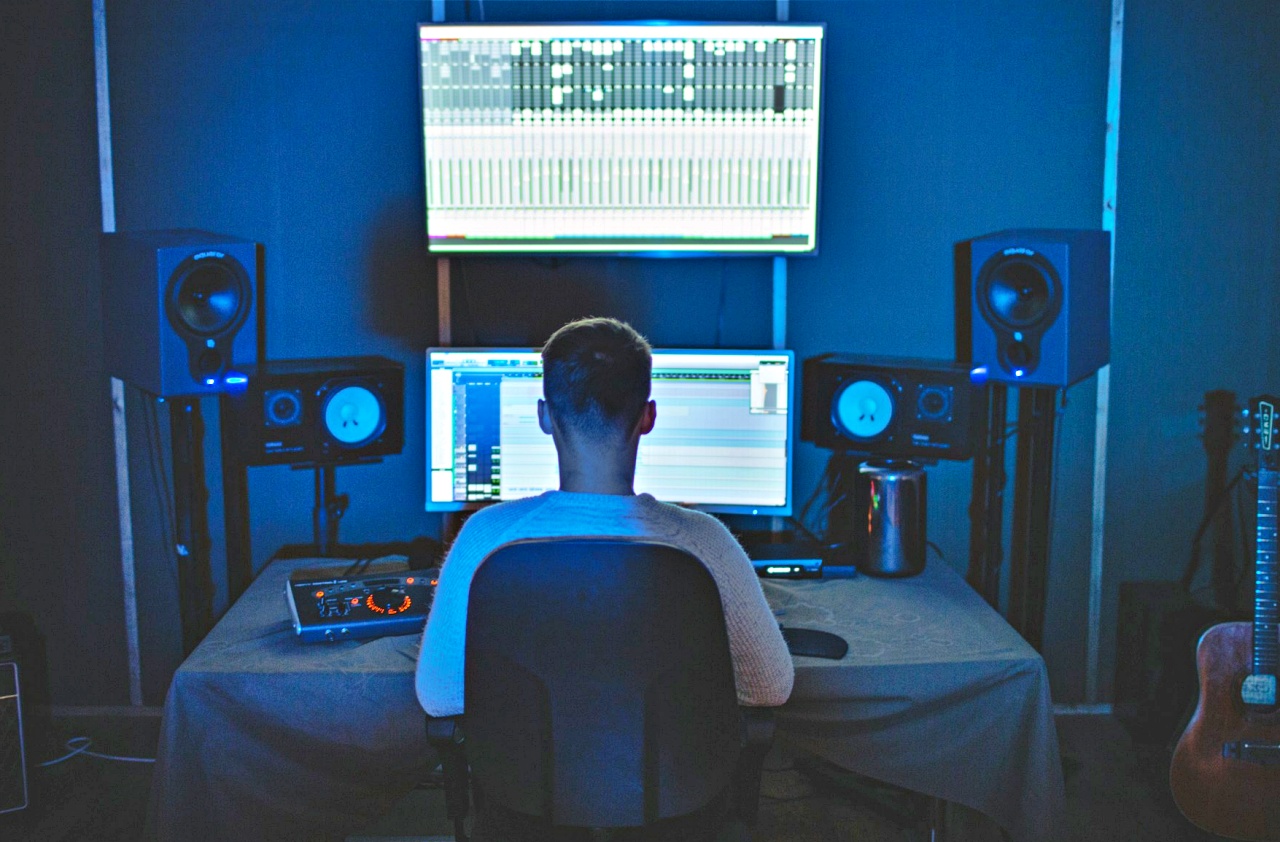
Photo by: James Owen/Unsplash