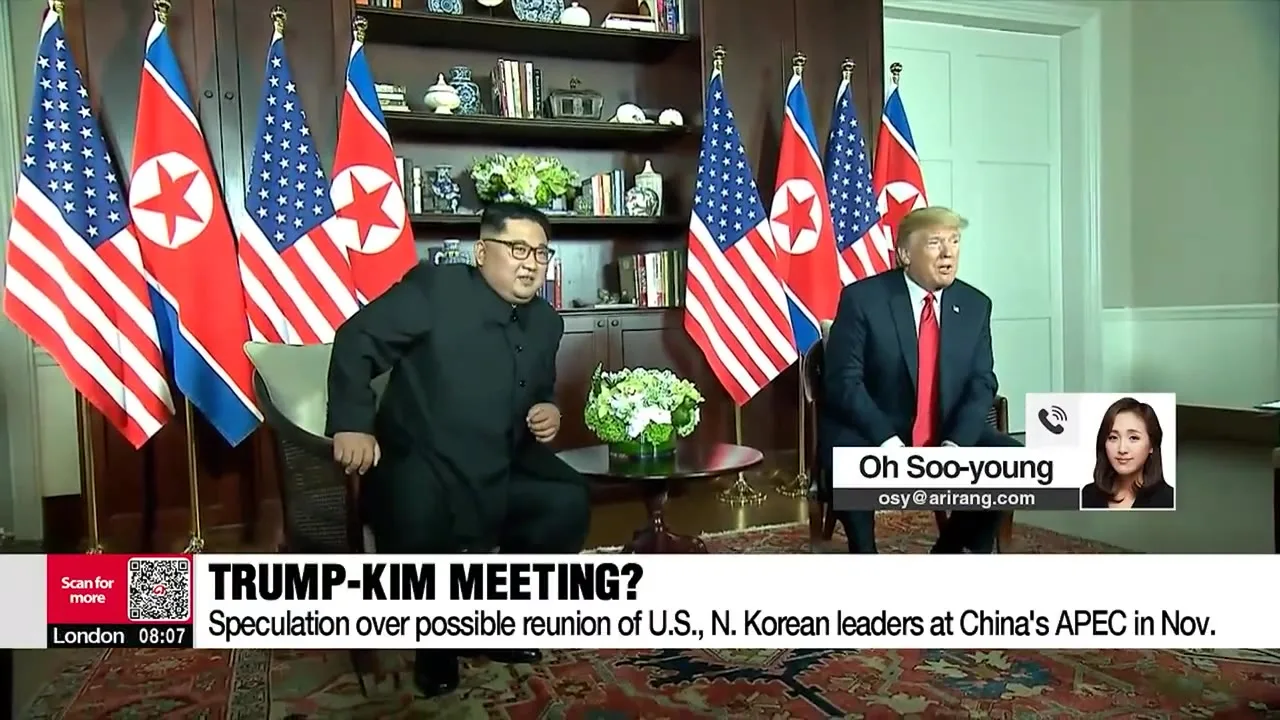
Dialogue with the United States remains an option but is not necessarily in North Korea's interest, Kim Yo Jong, the sister of North Korean leader Kim Jong-un, said on Nov. 4.
No meeting between President Donald Trump and Kim Jong-un has been confirmed. Arirang News covered the remarks in its Nov. 4 programme, “How losing control of Congress could impact Trump's foreign policy.”
Democratic gains in Congress could bring closer scrutiny of Trump's foreign policy during the remaining two years of his term. Control of either chamber would give Democrats greater scope to question military operations and challenge funding.
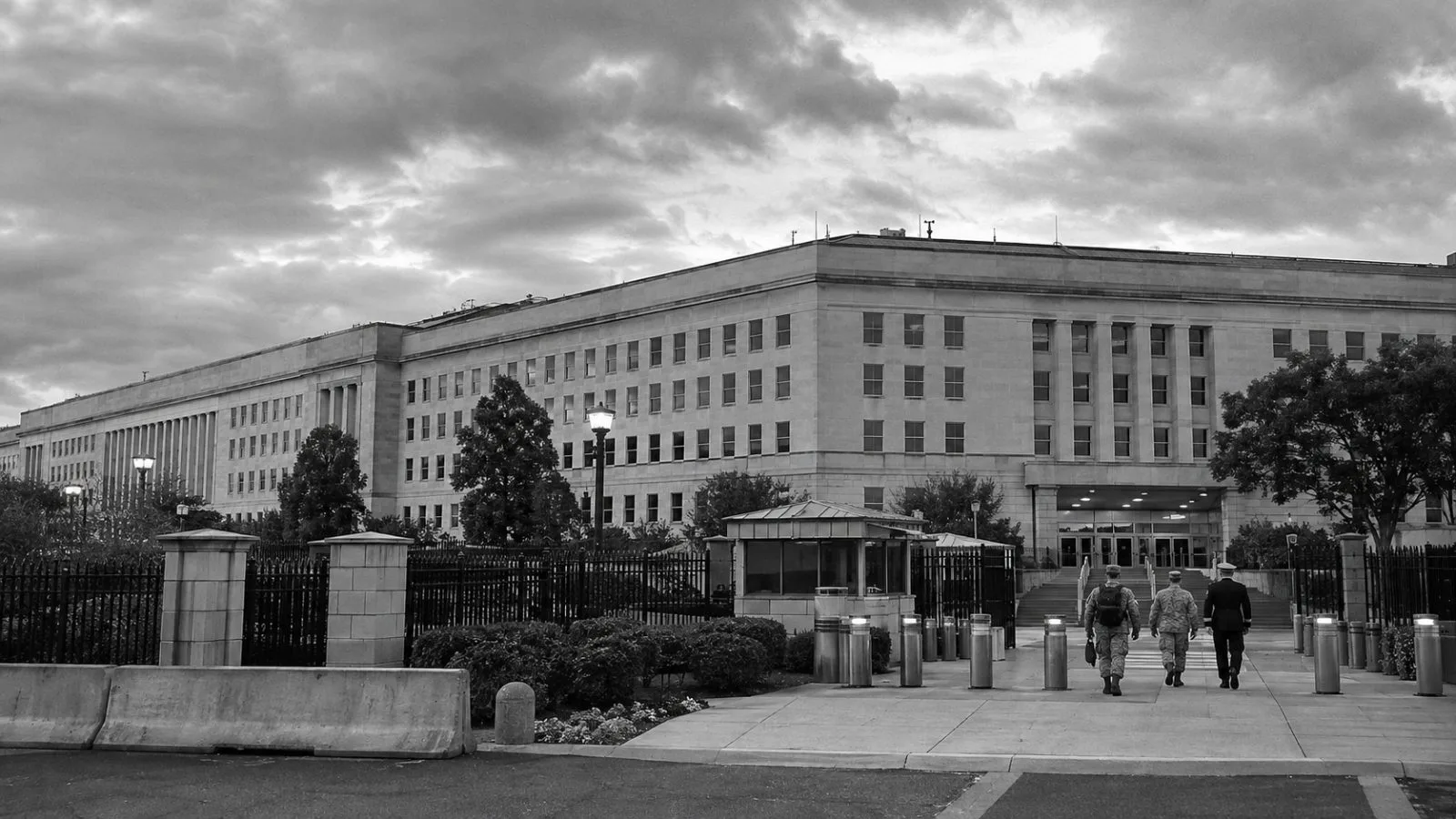
Trump launched the military campaign against Iran in February without congressional authorization. The war has already cost more than $47 billion, the Pentagon estimated.
Roughly six in 10 voters thought the United States was wrong to launch military action against Iran, an AP voter poll found. A third considered the war a deciding factor in their vote.
Democrats could demand testimony on the war's objectives and costs, examine deployments and challenge funding. Congressional control would not itself end the war or prevent further military action.
On Ukraine, Democrats could seek renewed military assistance and challenge Trump's easing of Russian energy sanctions. They could also seek restrictions on aid to Israel and oppose his proposed increase in defence spending.
A simple majority generally suffices to pass legislation, but Senate rules create another hurdle. The filibuster, a procedure that can prolong debate and block a vote, generally requires 60 of the Senate's 100 votes to overcome.
Democrats would therefore still need Republican support to advance legislation through that process. Trump could veto bills passed by both chambers, with a two-thirds majority in each needed to override him.
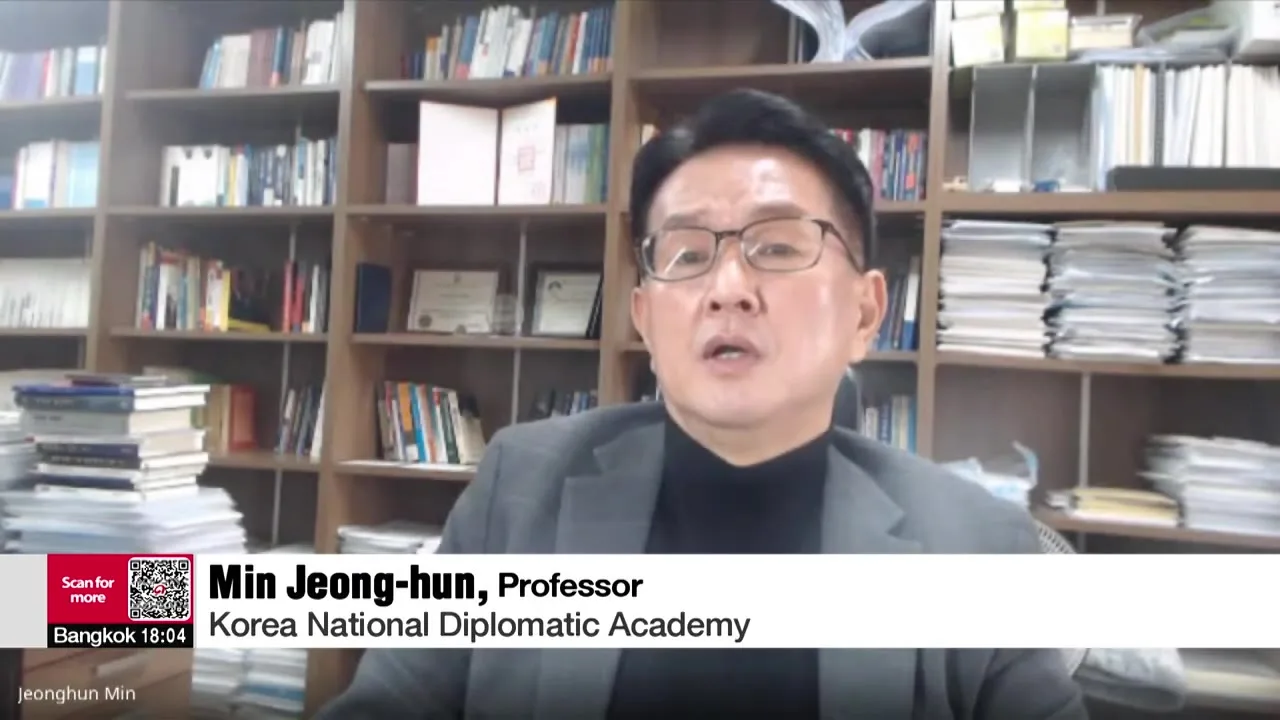
For South Korea, negotiations with Washington cover its nuclear-powered submarine programme, uranium enrichment and the reprocessing of spent nuclear fuel. Those discussions remain largely under the executive branch.
Trump is due to travel to China for the Asia-Pacific Economic Cooperation summit later this month. He said in October that he might meet Kim Jong-un during his Asia trip, but later expressed uncertainty about whether a meeting had been requested.
Kim Yo Jong accused Washington of maintaining a hostile policy through demands for denuclearization, military exercises and sanctions. Her remarks left dialogue possible without establishing that North Korea wanted talks.
No arrangement for a meeting in China has been confirmed, and differences between Washington and Pyongyang remain unresolved. The remarks offered no agreement on the nuclear demands at the centre of their dispute.