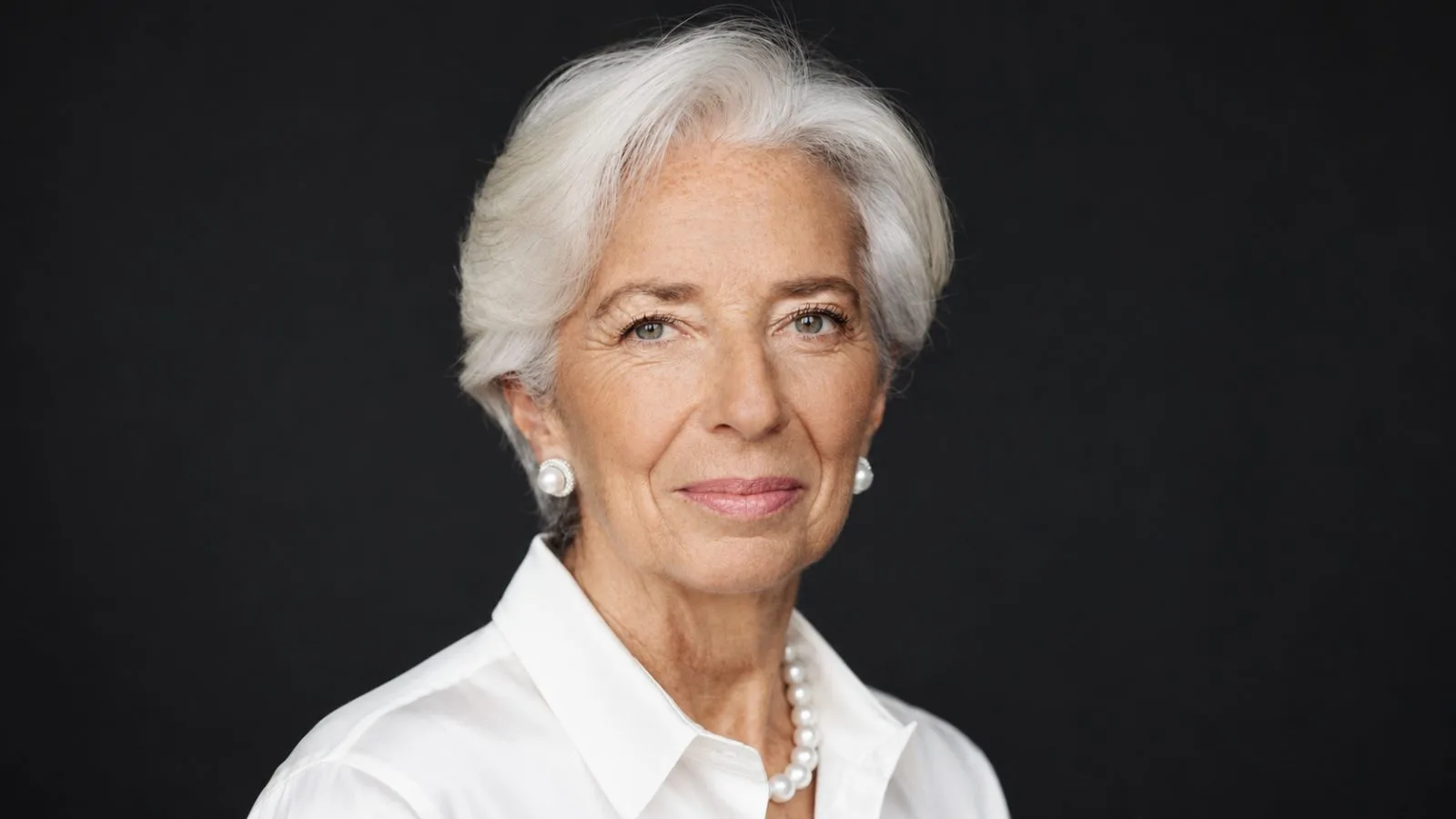
Christine Lagarde’s decision to leave the European Central Bank early has opened speculation about whether she could influence or enter France’s 2027 presidential race, although she has announced no political plans.
The ECB said Lagarde told its Governing Council and European Council President António Costa on Oct. 29 that she would step down Feb. 7, 2027. Her mandate had been scheduled to run until October 2027. The European Council is responsible for appointing her successor under Article 283 of the Treaty on the Functioning of the European Union.
France’s Interior Ministry has set the election’s first round for April 18, 2027, with a runoff on May 2. Lagarde would therefore leave more than two months before voting begins. EconoTimes previously reported the Feb. 7 exit date and opening of the succession process.
At an Oct. 29 news conference, Lagarde said departing before the end of her term would give her “freedom of speech” and the ability to engage on issues outside monetary policy. She added, “I don't think that I can remain neutral,” referring to the ECB’s obligation of political neutrality.
Those comments have prompted discussion about a possible candidacy, endorsement or public role on debt and fiscal policy. None has been confirmed. In remarks quoted by Euronews from a July interview, Lagarde said, “I’m not a candidate for anything,” while expressing support for Europe as the framework for France and other member states.
An Ifop-Fiducial survey of 1,690 registered voters conducted online Nov. 13–16 placed Marine Le Pen between 32% and 36% in tested first-round combinations. Jean-Luc Mélenchon ranged from 17% to 19.5%, and the pair reached the runoff in every scenario. In one configuration, Édouard Philippe led the center-right field with 15%, while Mélenchon received 19%.
Euronews also reported that a Politico survey published Nov. 11 showed Lagarde at 13.5% and Philippe at 14% when each was tested separately against other candidates. Euronews quoted political scientists Bruno Cautrès and Bernard Dolez as describing a potential Lagarde constituency among financially secure, educated and debt-conscious voters, with support likely drawn from centrist and conservative blocs.
The European Council began the successor process Oct. 29. That timetable could allow EU leaders to name a new ECB president before France votes, but no completion date has been announced.