Nigeria’s Senate Leader Michael Opeyemi Bamidele proposed a compact for Lagos and willing Southwest partners to coordinate infrastructure and investment, according to reports by BusinessDay and P.M. News.
In the outlets’ account, Bamidele argued for regional coordination because economic activity crosses state borders. He referred to connected labor markets and housing, along with links involving agriculture, manufacturing, transport logistics and trade; environmental systems were also part of the shared picture, the reports said.
Ogun, Oyo, Osun, Ondo and Ekiti were named as possible partners, with participation left to each state. The reports described a framework that could bring Lagos and those states together with federal institutions, planning bodies and infrastructure agencies, as well as business and professional organizations and development partners. They did not say any state had agreed to join.
The proposed agenda ranged from transport and power infrastructure to investment promotion, industrial policy and tourism. Bamidele also put forward economic corridors connecting markets across state boundaries and environmental resilience as areas for cooperation, BusinessDay and P.M. News reported.
He called on Lagos to expand internet access and digital public services, while developing smart-city systems and innovation hubs. The outlets said he also urged the state to build workers’ digital skills and encourage technology-driven businesses.
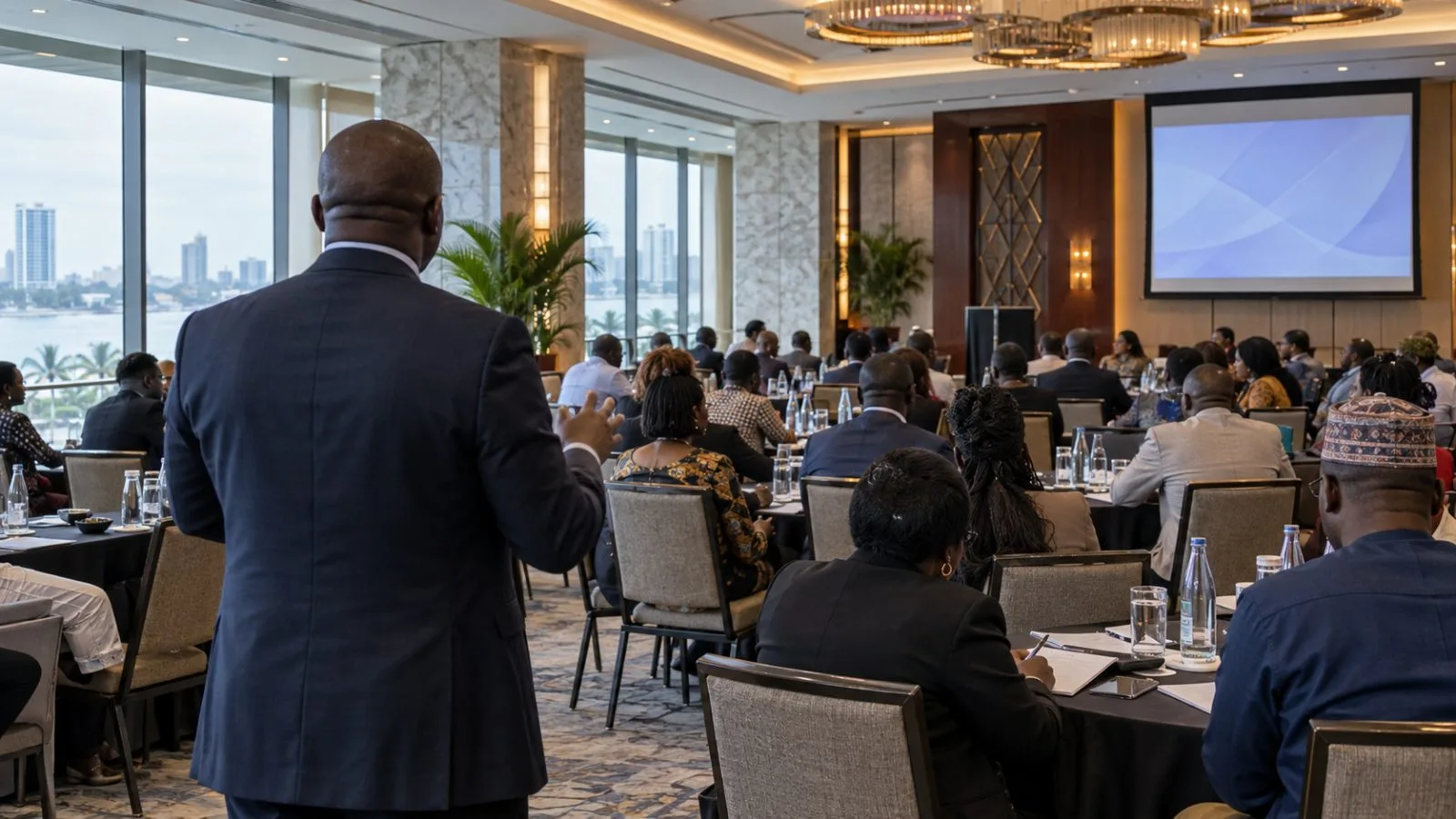
The Lagos State Ministry of Physical Planning and Urban Development lists Bamidele as a keynote speaker for the Lagos Physical Planning Summit 2.0, dated Oct. 21-22, 2026, at Eko Hotels & Suites in Victoria Island. The ministry gives the theme as “Diagnosis to Delivery: Positioning Lagos for Strategic Regional Development and Priority Investment Agenda.” Its event page identifies regional coordination, investment and financing, and digital transformation as summit priorities.
BusinessDay and P.M. News quoted Bamidele as saying, “Lagos’ long-term prosperity cannot be secured through isolated state planning alone.”
His reported appeal included transparent financing, but the outlets provided no specific arrangement for paying for the proposed work or timetable for implementation.