The Lebanese Army found no weapons at a Fanar excavation whose purpose it has not identified, as a separate explosives shipment Hezbollah acknowledged belonged to the group sharpened debate over state control of armed activity.
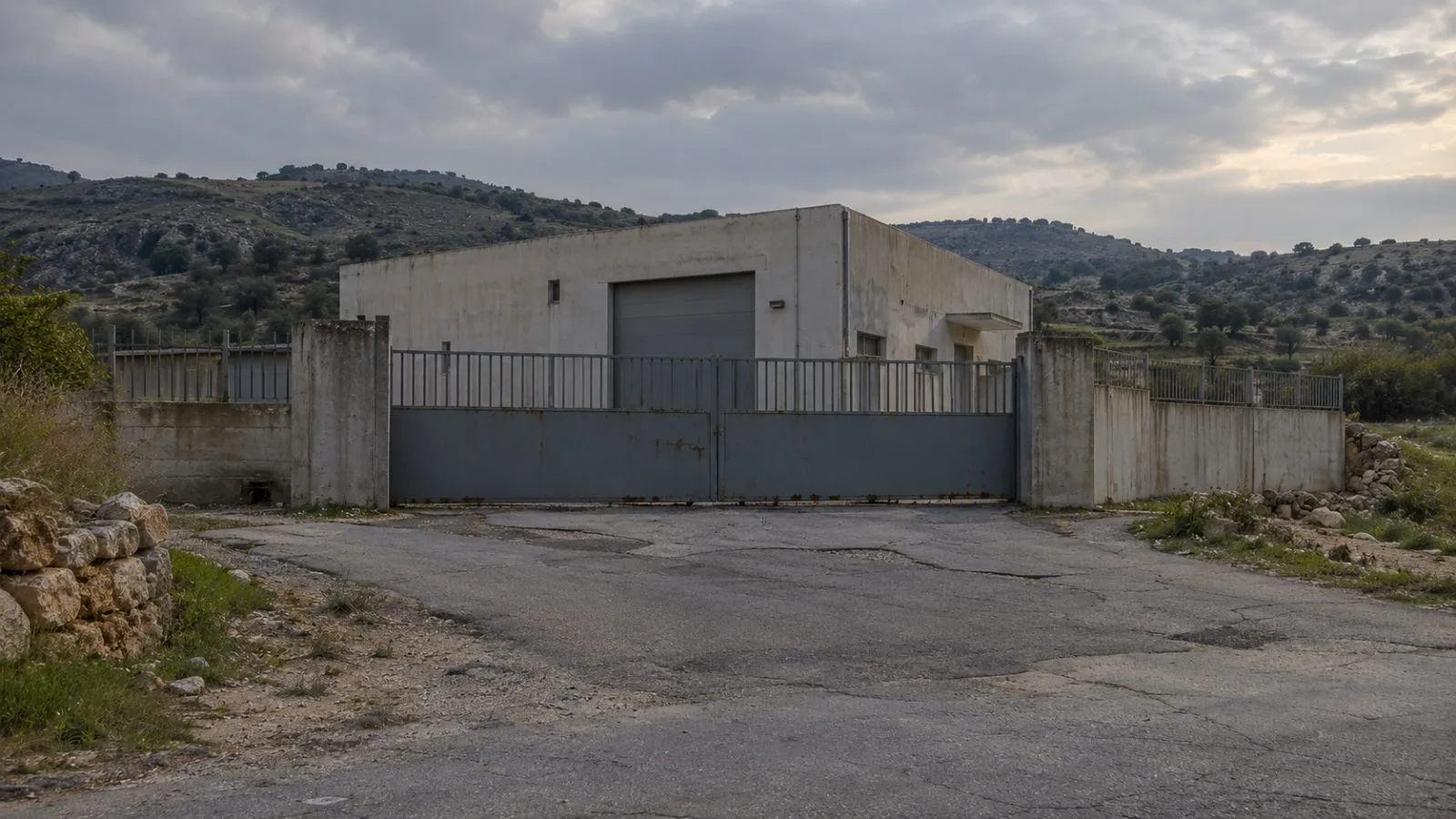
The Army said it inspected the site on Oct. 19 and found no weapons or military equipment. It reported several pits and said the excavation extended 13 meters, with a five-meter vertical section and an eight-meter horizontal section. The Army also said it arrested one suspect allegedly involved in the digging and that its investigation was continuing.
Fanar municipality said security agency reports indicated the excavation was dug in search of gold and had no second exit. The municipal police chief told L’Orient Today that investigators found only digging tools and that the lack of an exit made the word “tunnel” imprecise.
The Army has not said why the excavation was dug. An unnamed Lebanese security source told The National that it might have been intended as a drug drop site, but said no narcotics were found.
Separately, L’Orient Today reported, recounting MTV Lebanon’s review of property records, that businessman Rida Jaffal acquired 83 plots in Metn between 2008 and 2014. Jaffal denied buying the properties for a political or security project. L’Orient Today also reported that a source close to Hezbollah said the group had no connection to him.
Lebanese authorities seized explosives from a vehicle at the Dahr al-Baidar checkpoint and detained two men, the Associated Press reported. Hezbollah lawmaker Hassan Fadlallah acknowledged that the shipment belonged to the group and said it was intended for use against Israeli forces in southern Lebanon. Reports differed on its weight: The Associated Press, citing judicial officials, put it at 780 kilograms, including 250 kilograms each of TNT and C-4; The National described it as half a tonne.
On March 2, Lebanon’s Cabinet called on Hezbollah to end its military and security activity and transfer its weapons to the state. Hezbollah later called the decision “null and void,” the Associated Press reported. L’Orient Today said political opponents of Hezbollah used the excavation and explosives cases to press for an end to the group’s armed structure. Prime Minister Nawaf Salam cited past political assassinations involving C-4 when discussing concerns about the explosives, the Associated Press reported; that reference did not establish the shipment’s intended use.
On Oct. 15, a U.S. State Department official told Reuters that U.S. Secretary of State Marco Rubio urged President Joseph Aoun to hold those responsible for the shipment accountable and said it should not be returned to Hezbollah.
Lebanon’s Cabinet was scheduled to discuss on Oct. 22 a Justice Ministry request to refer the Dahr al-Baidar explosives case and a separate case from al-Qasr to the Judicial Council, Naharnet reported.