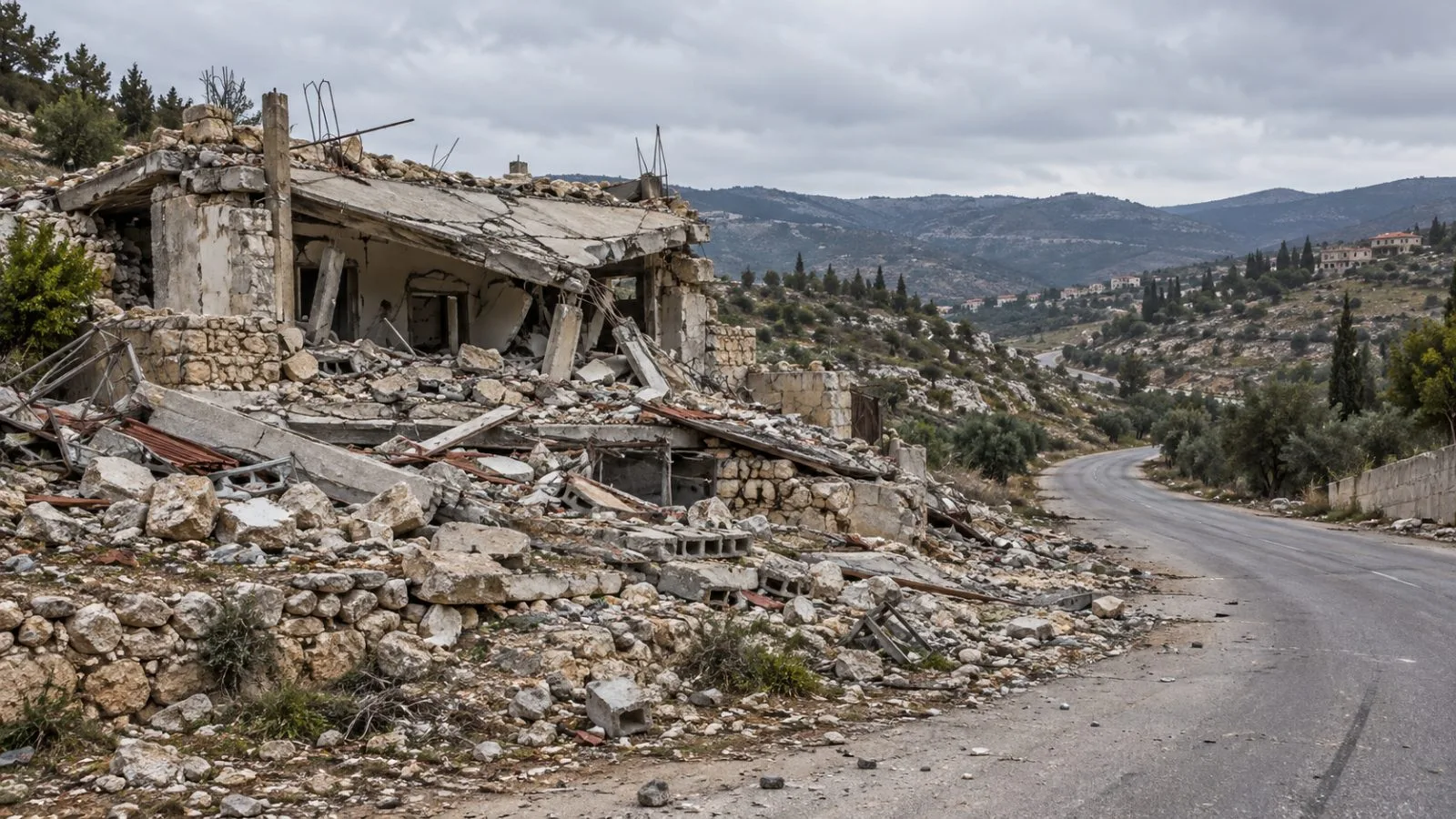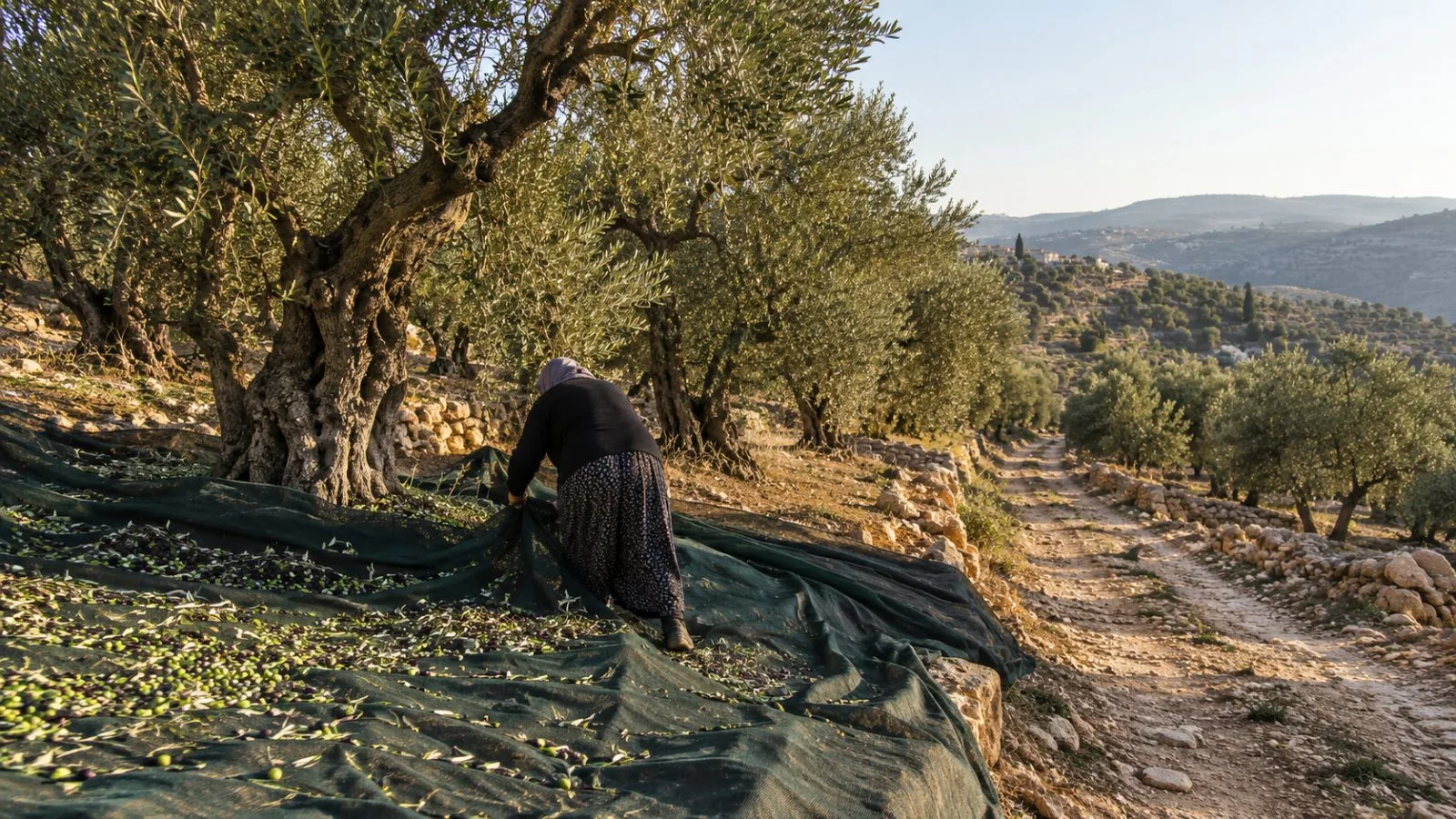
Access limits and explosive hazards are complicating southern Lebanon’s olive harvest, while three deaths reported in the south on Oct. 11 and 12 underscored dangers facing residents.
The Lebanese Army said retired Warrant Officer First Class Ali Abdel Hassan Sweidan, in his 70s, was directly hit by an Israeli tank on Oct. 11 while inspecting property in Yater. L’Orient Today reported a different account, saying artillery fire killed him as he headed to harvest olives.
That day, the Froun municipality said engineer Hussein Ali Ramadan died in a munition explosion. L’Orient Today reported that the explosion occurred in an olive field. On Oct. 12, the Internal Security Forces (ISF) said Edgar Jallou died in Ain Ebel when a suspicious object it described as dating from Israeli attacks exploded. The ISF did not say he was working farmland.
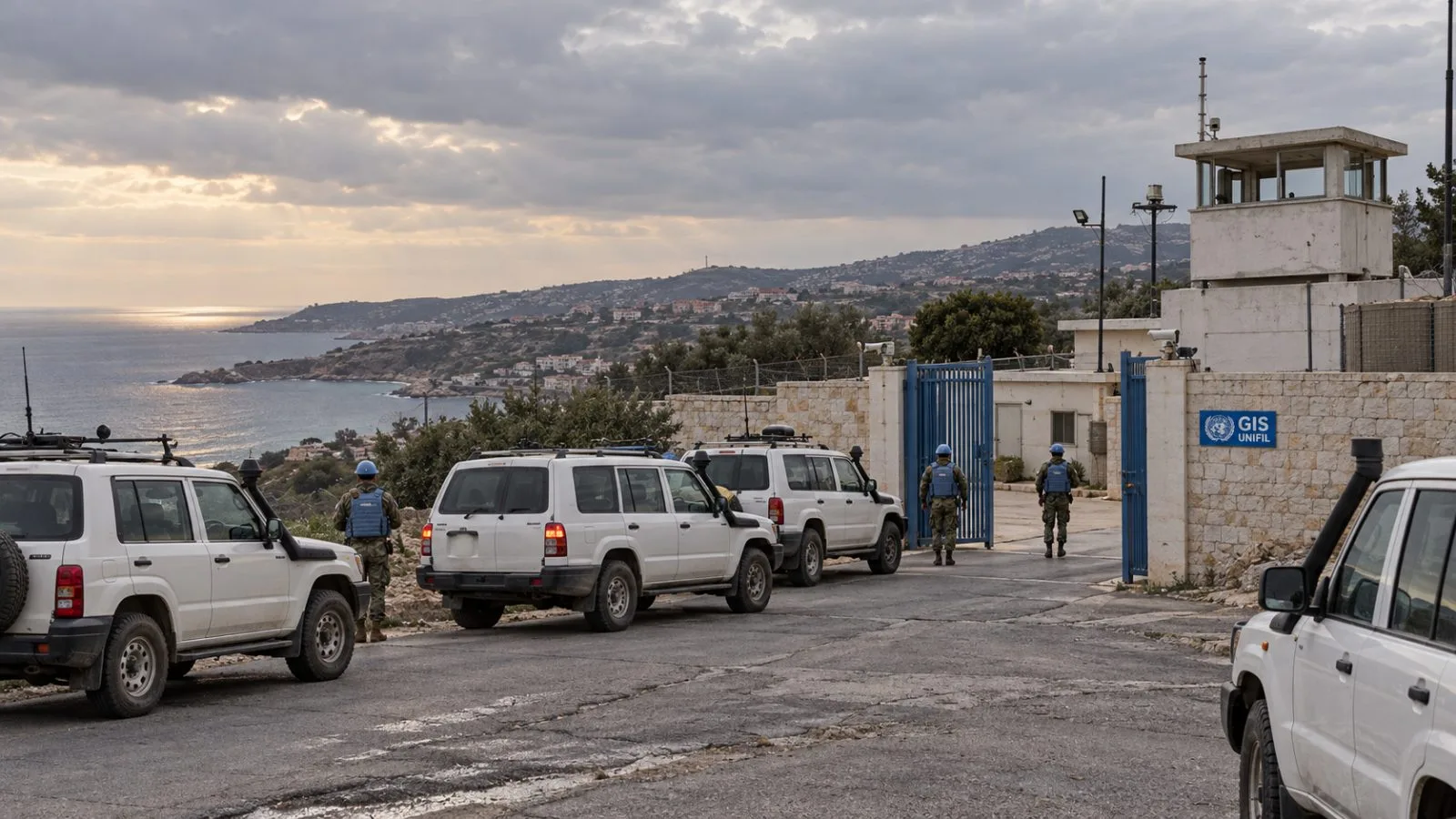
Lebanon’s Ministry of Agriculture said Oct. 2 that Agriculture Minister Nizar Hani discussed easing growers’ access and arranging picking permits with a United Nations Interim Force in Lebanon (UNIFIL) official. The ministry described the harvest as important to family livelihoods.
In Majdel Selm, farmer Khaled Farhat told Al Jazeera he had to seek access through his municipality and the Lebanese Army to reach a grove of about 200 olive trees. He said he had two weeks to work there. “Drones are constantly in the sky,” Farhat told the outlet.
The Mines Advisory Group (MAG) said Oct. 1 that its operations in southern Lebanon had resumed after a pause following the March 2026 escalation. Its teams were mapping contaminated areas and identifying hazards in Zahrani and Nabatieh. MAG said the Lebanese Mine Action Centre had reported about 2 million square meters of new contamination after escalations in 2023, with attacks in 2026 adding more.
Human Rights Watch (HRW) documented an earlier postwar hazard in a 2008 investigation of the 2006 conflict. Citing a U.N. mine-action estimate, the group said cluster munitions used by Israel during the war contained 2.6 million to 4 million submunitions. Its report described unexploded devices in agricultural areas and farmers exposed to them while tending crops.