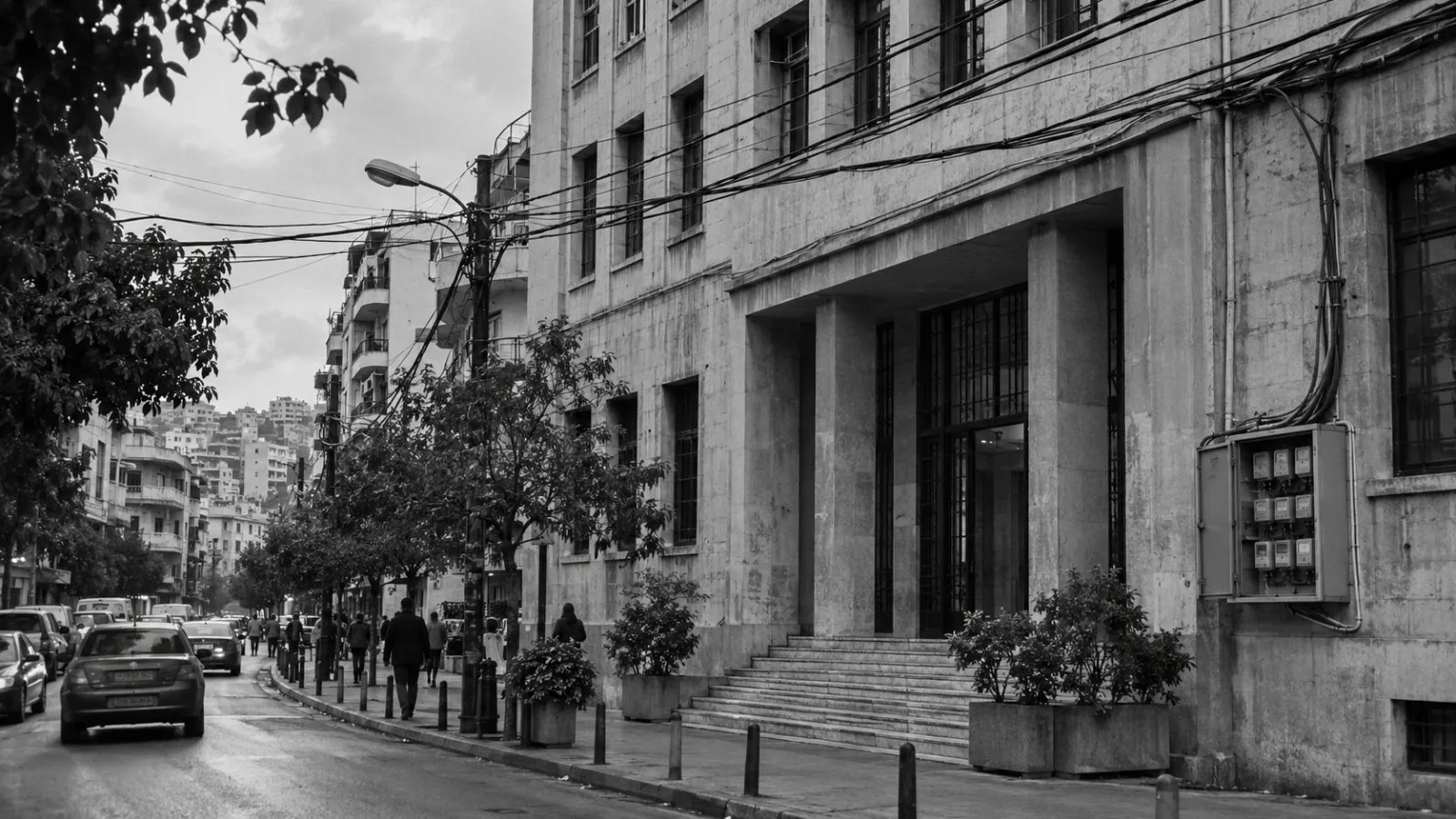
Lebanon’s state utility began cutting power to public bodies with unpaid bills on Nov. 2, seeking to improve collections as fuel costs and nontechnical losses strain its finances.
Electricité du Liban (EDL), the national utility, said its board ordered the action in October after public administrations, institutions, independent agencies and municipalities failed to pay overdue bills despite repeated warnings. The order also covers water services but excludes government hospitals.
EDL said it restored service to some agencies after they paid part of what they owed and signed written plans to pay the balance in monthly installments. The utility said power could be cut again if an agency missed an installment or failed to pay current bills.
An-Nahar reported that about 100 public bodies were on the arrears list. It said EDL was still compiling the number of accounts disconnected as the work proceeded gradually.
In an August 2026 warning, EDL said unpaid public-sector accounts and uneven collections were adding to financial pressure, alongside conflict-related strain, fuel expenses and nontechnical losses. It put gasoil prices near $1,500 per metric ton, compared with about $680 in its 2026 budget assumption.
The World Bank’s 2025 assessment linked the sector’s financial problems to low tariffs, unpaid bills and power losses. It recorded average electricity supply of about 10 hours per day before the crisis, one or two hours in 2022 and four or five hours in 2023.
The cuts come amid a dispute over government support for the electricity sector. L’Orient Today reported that Energy and Water Minister Joe Saddi suspended his participation in Cabinet meetings on Oct. 6 over the government’s response to the crisis. The outlet also reported that three Lebanese Forces ministers left a Cabinet meeting on Oct. 15 after no funding commitment was made.
Lebanese energy expert Jessica Obeid told Al Jazeera, “It just needs a vision and someone to take the bold decisions.”
EDL said it restored power to public administrations and water services in 2023 after payment promises, while retaining the option of further cuts for nonpayment. The utility said collections would continue and agencies that miss installments or current bills could face renewed disconnections.