Lightspeed partners Harsha Kumar and Hemant Mohapatra told The Economic Times AI agents shopping for users could weaken an ad model built on reaching consumers directly, with fewer chances for brands to pitch products.
Alphabet reported $82.012 billion in Google advertising revenue for the quarter ended Sept. 30, 2026, up from $74.182 billion in the same period a year earlier. Google Search and other revenue was $63.350 billion. Alphabet said its year-over-year search-query growth rate reached its highest level in five years.
Meta recorded $63.061 billion in advertising revenue for the quarter, a 26% increase from a year earlier. Ad impressions rose 10%, while the average price per ad climbed 14%. Neither company’s filing quantified whether AI agents affected those results.
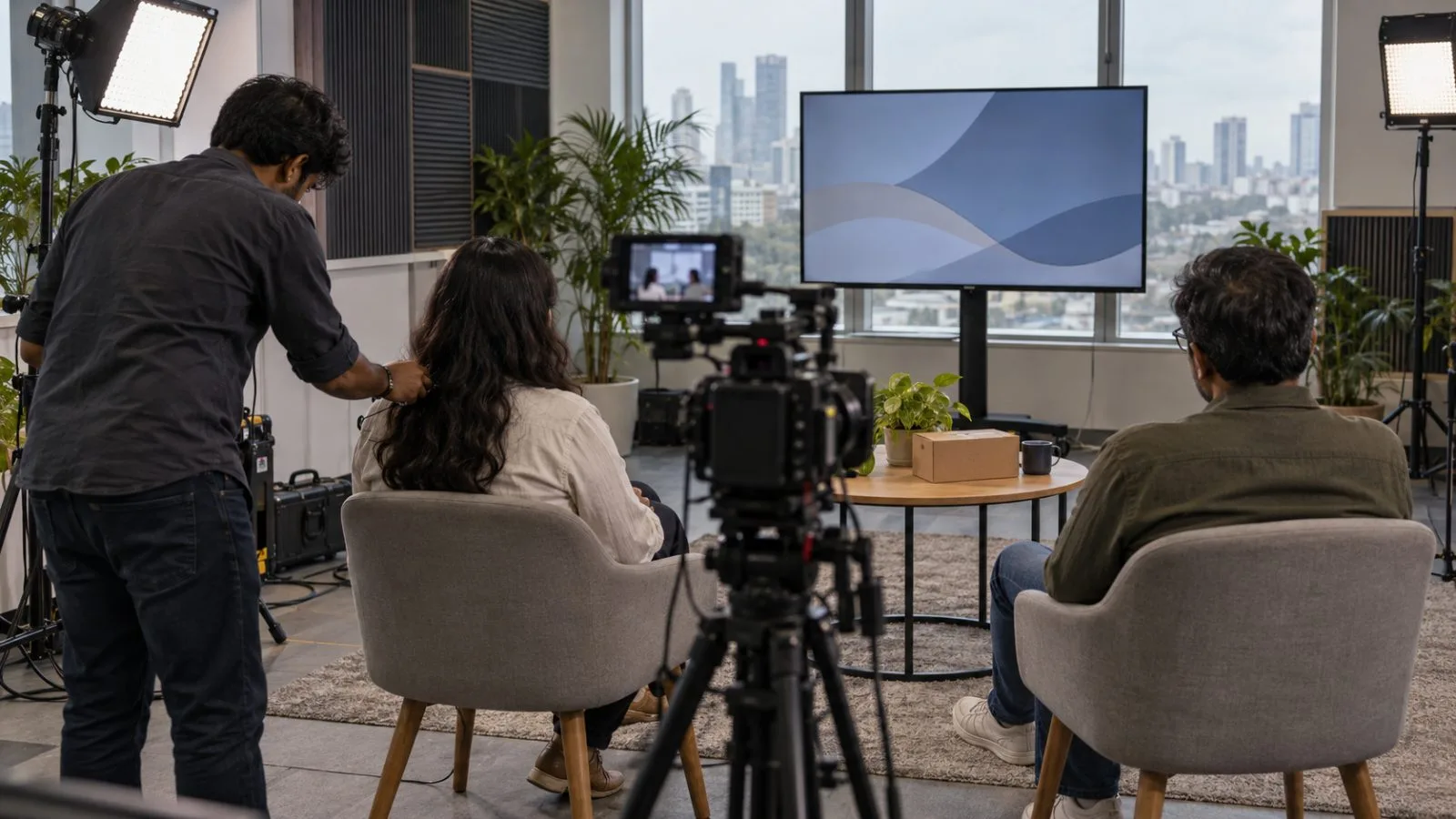
In the interview, Kumar and Mohapatra discussed assistants that might buy or book services for a user and make decisions without showing conventional promotions or pitches for add-on sales. The Economic Times’ video report framed that possibility as a challenge to an ad-funded web, but it did not measure whether agent use has cut ad exposure or reduced revenue.
A separate Morning Brief listing by The Economic Times said a 36-minute discussion also covered which purchases agents might handle, whether they could be upsold, outcome-based pricing and vertical AI for tier-two and tier-three cities in India. The listing did not establish that outcome-based pricing is a widespread or preferred model.
Lightspeed’s recap of Kumar’s comments said agents could become a layer through which people use the internet and that brands may need to shape algorithmic recommendations. The idea that this could redirect brand competition toward influencing automated choices is an inference from that view, not a measured change in ad markets.
The interview gave no figures for consumer adoption or purchases completed by agents. Alphabet’s and Meta’s latest results show growing ad businesses, while leaving the effect of agent-led commerce unquantified.