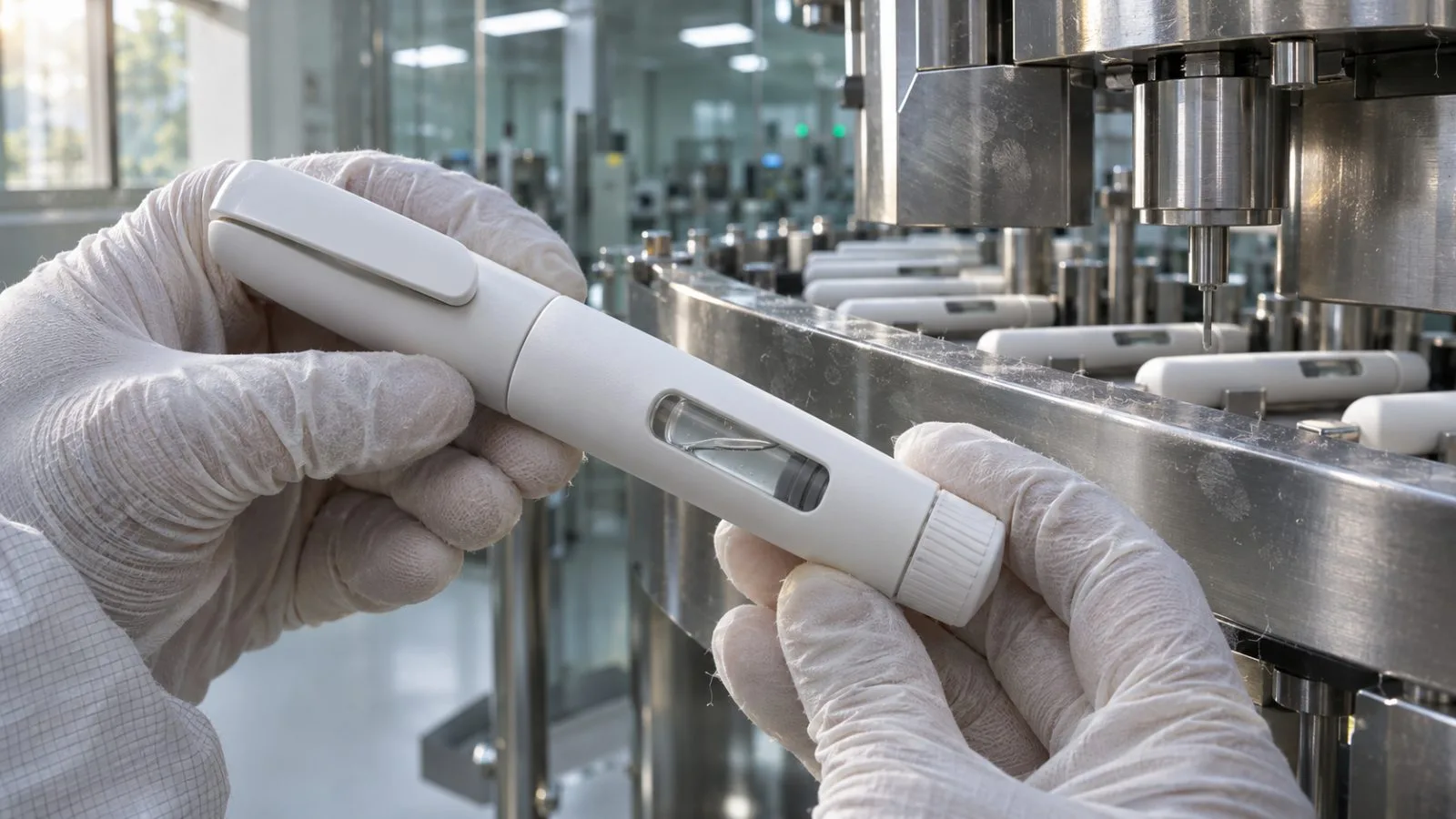
Eli Lilly and Company said adults with psoriatic arthritis receiving Taltz and Zepbound had a higher Week 52 response rate than those on Taltz alone in exploratory findings from a Phase 3b trial.
The American College of Rheumatology (ACR) abstract reported an ACR50 response in 43.7% of participants taking Taltz (ixekizumab) with Zepbound (tirzepatide), compared with 15.7% taking ixekizumab alone. The difference was 28.0 percentage points (95% confidence interval, 17.1 to 38.9); the abstract gave a nominal P value below .001. ACR50 requires at least 50% improvement in tender and swollen joint counts and in three of five other disease measures.
Lilly described the Week 52 analyses as prespecified but exploratory, with no adjustment for multiple comparisons. At least 10% weight loss was reported in 85.7% of the combination group and 6.7% of the Taltz-only group. Both ACR50 and at least 10% weight loss were recorded in 39.2% and 1.7%, respectively.
TOGETHER-PsA was a randomized, multicenter trial with open-label treatment and blinded assessors. It enrolled adults with active psoriatic arthritis who had obesity or were overweight with at least one weight-related condition. Both groups received diet and physical-activity counseling. Lilly said physical function and fatigue gains from Week 36 held or grew through Week 52; weight, glucose, HbA1c, triglycerides, total cholesterol and systolic blood pressure also improved versus Taltz alone.
The trial’s primary endpoint was assessed at Week 36. The peer-reviewed trial paper reported that 31.7% of the combination group and 0.8% of the ixekizumab-only group achieved both ACR50 and at least 10% weight loss at that point (P<.001).
The paper says obesity is associated with more active psoriatic arthritis and weaker responses to some biologic treatments; it also says major guidelines recommend addressing obesity as part of care. Lilly reported that adverse events with the combination were generally mild or moderate and aligned with the medicines’ established safety information. The ACR abstract reported no new safety concerns.