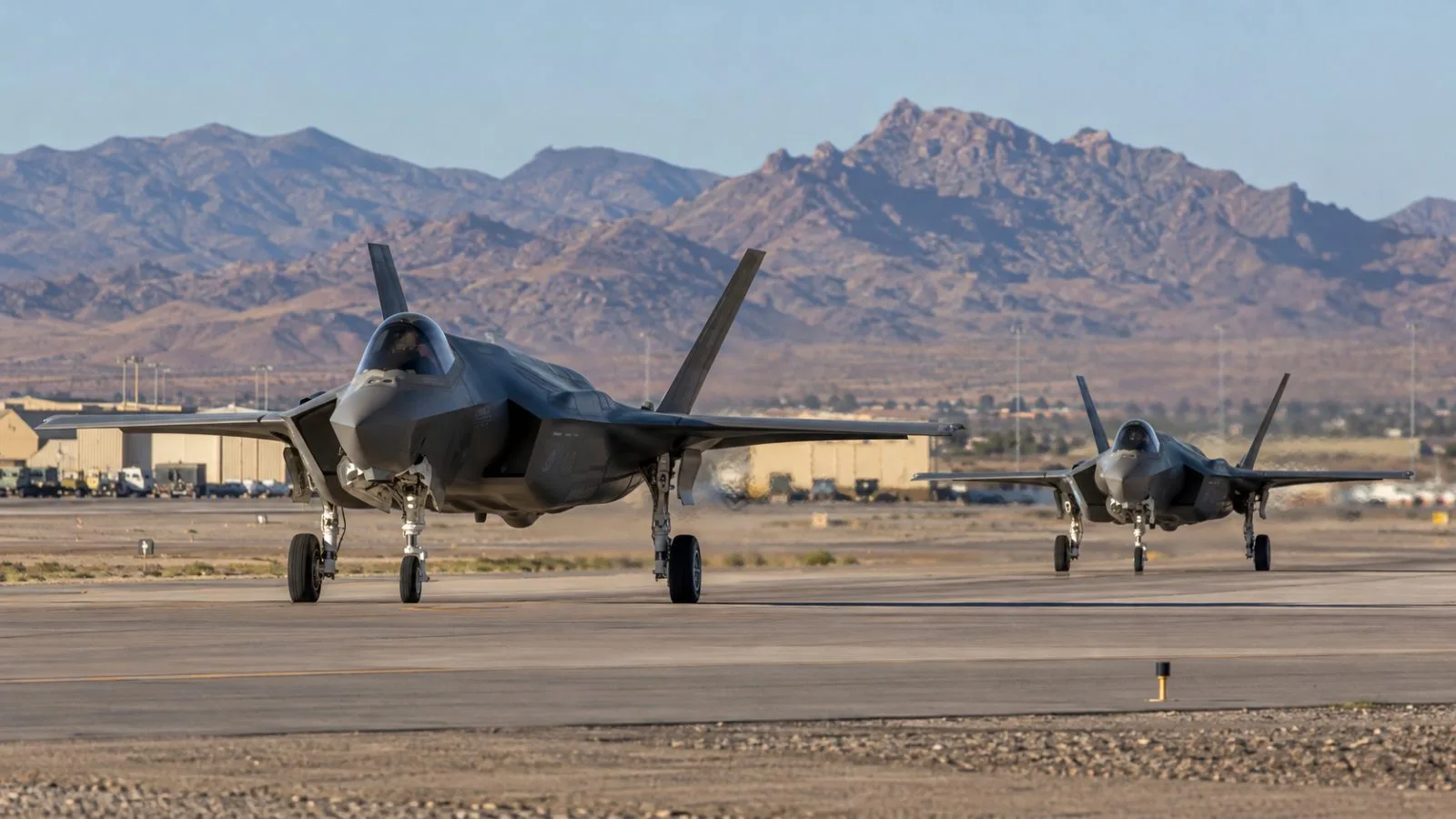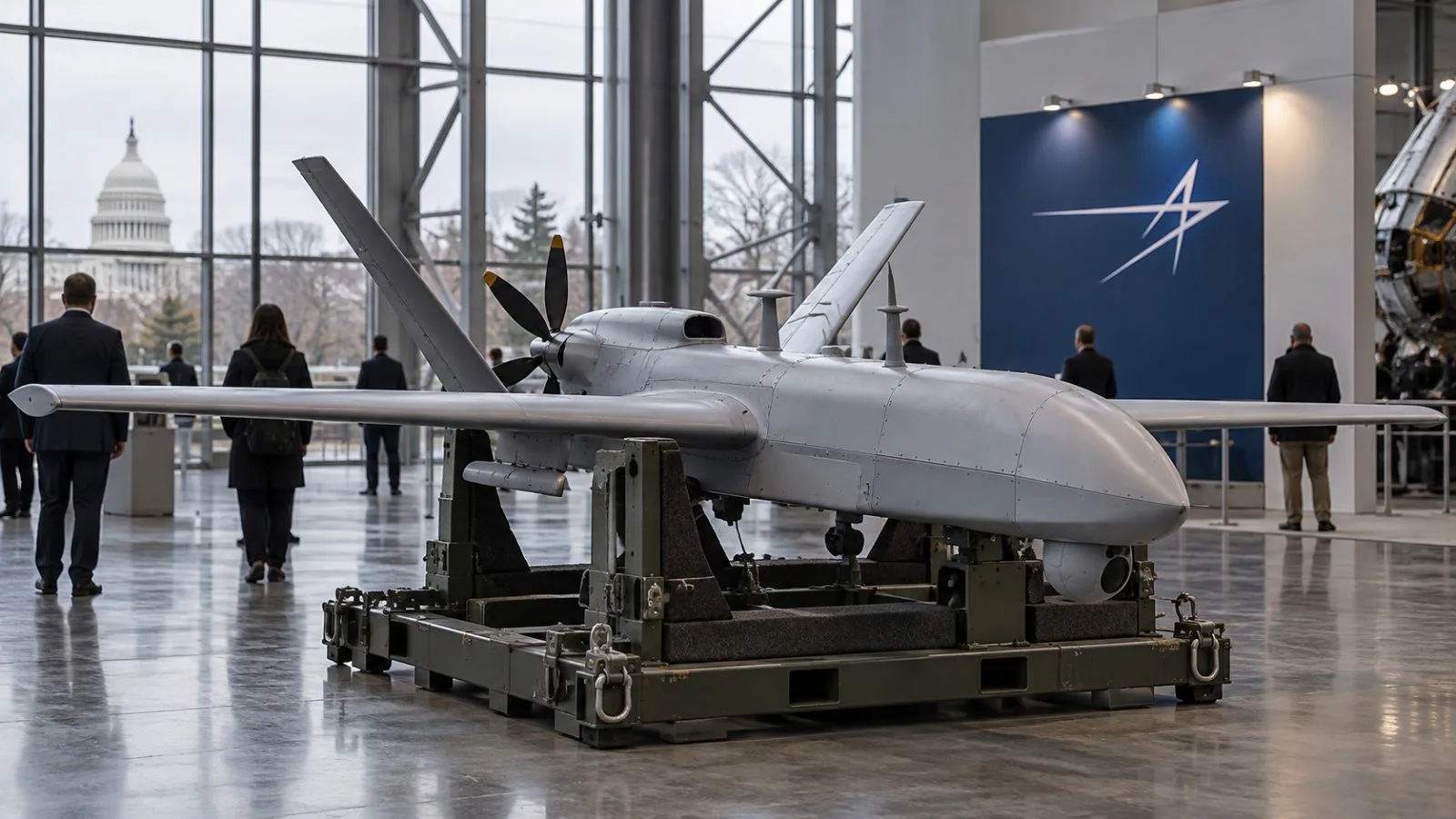
Lockheed Martin’s decade-long F-35 framework cannot move to a formal contract without congressional authority and funding, leaving lawmakers to decide whether the production plan for U.S. forces can proceed.
The Oct. 22 announcement by Lockheed Martin and the U.S. Department of War (DoW) sets a floor of 850 F-35s for U.S. forces, with planned output of 156 aircraft a year across Lots 21 through 30.
The package also covers international orders and support for F-35 fleets worldwide. Lockheed’s release includes initial spare parts, modification kits and 10 years of sustainment. The DoW said Lockheed would put at least $7 billion of its own funds toward program initiatives. The announcements did not explain how that money would be allocated or give an overall procurement price.
Congress must provide authority for orders spanning multiple years and appropriate the funds. Only after those steps can the F-35 Joint Program Office and Lockheed settle pricing, delivery dates and other contract terms.
Lockheed has argued that yearly contracting strains its supplier base by making future demand harder to plan. The company says a longer horizon could give suppliers more room to time investments and coordinate purchases, as described in its case for a longer production horizon. Lockheed has also forecast savings for taxpayers.
A separate funding issue involves F-35 Lot 20. In its third-quarter filing, Lockheed said funding and authorization for advance acquisition had been exceeded and that more government support was needed to avoid effects on earnings, cash generation and its financial position, according to the company’s filing disclosure.
The next step is congressional action; no timetable has been announced.