Debt above 82% of gross domestic product and a divided lower house will test President Luiz Inácio Lula da Silva’s agenda when he begins his fourth term in January.
The Superior Electoral Court (TSE) declared Lula the winner of the Oct. 25 runoff with 64,256,232 votes, or 51.79% of valid ballots. Sen. Flávio Bolsonaro received 59,826,041 votes, or 48.21%. Lula had trailed Bolsonaro in the Oct. 4 first round, TSE results show.
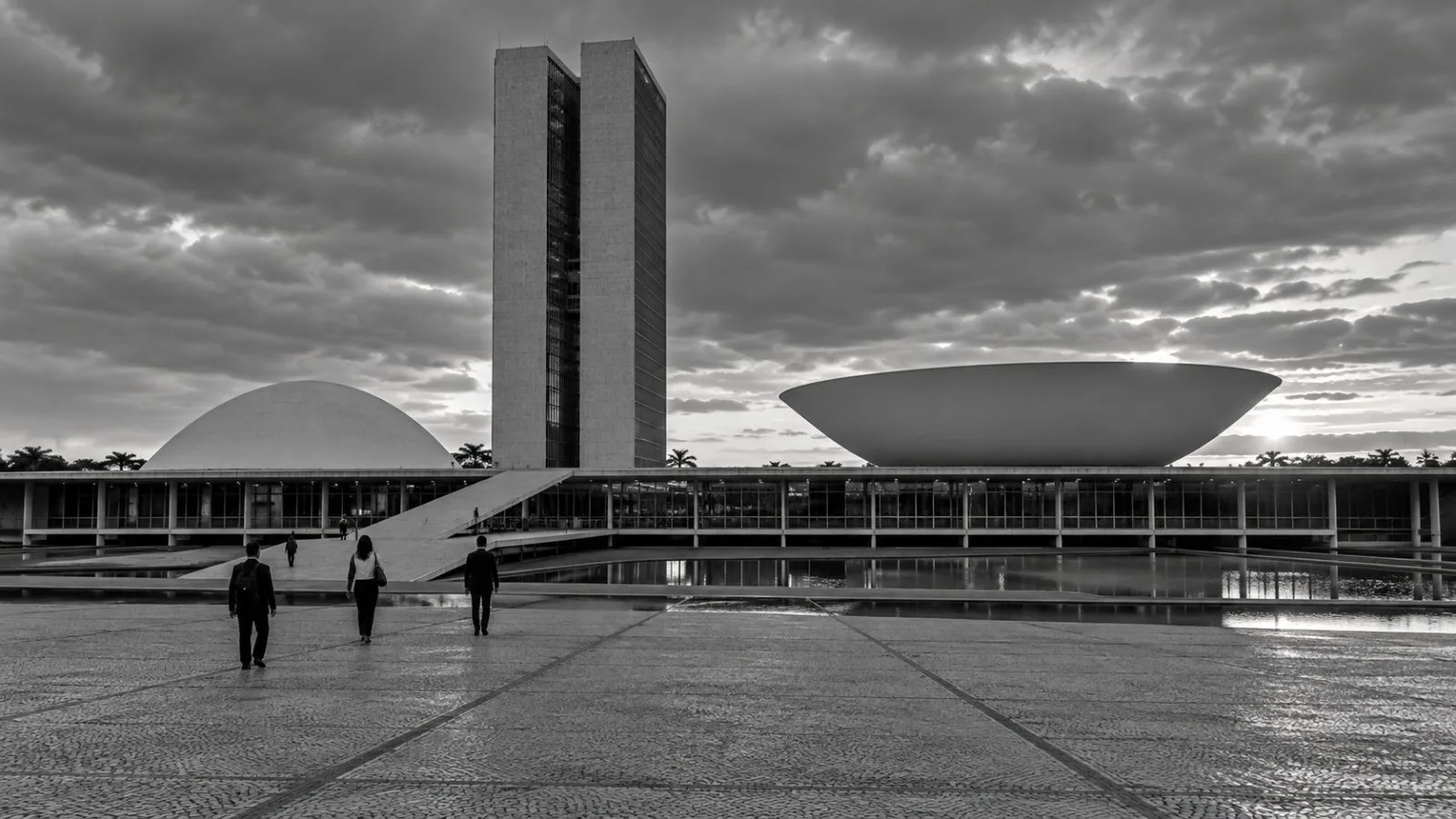
The Liberal Party (PL) elected 121 of 513 deputies to the incoming Chamber of Deputies, while the PT-PCdoB-PV federation elected 88. France 24, citing AFP, reported that Lula would lack a majority and need to negotiate with the center-right Centrao. AFP quoted political scientist Mayra Goulart saying the legislature’s role in allocating federal funds has expanded.
The Central Bank of Brazil reported that gross general government debt reached R$11.1 trillion, or 82.9% of GDP, in August 2026. The consolidated public sector recorded a primary deficit of R$82.1 billion in the 12 months through August, equal to 0.62% of GDP. The Central Bank’s Monetary Policy Committee set the annual Selic target at 13.75%, effective Sept. 17. Economist Mauro Rochlin of the Getulio Vargas Foundation told AFP: “Brazil’s three big problems are the fiscal problem, the fiscal problem, and the fiscal problem.”
Poverty data show the social stakes in future budget decisions. The Brazilian Institute of Geography and Statistics (IBGE) reported that the share of the population below the World Bank’s poverty line fell from 31.6% in 2022 to 27.4% in 2023, with 8.7 million people leaving poverty. IBGE cited higher Bolsa Família benefits and a stronger labor market as contributors. AFP’s report for France 24 said fiscal adjustment could put pressure on welfare programs.
Trade measures add another pressure point. The Office of the U.S. Trade Representative (USTR) announced a 25% Section 301 tariff on certain Brazilian goods on July 15, 2026, after an investigation into trade and regulatory practices. Brazil’s Development Ministry said a separate 12.5% duty applies to specified products. Using 2024 trade data, the ministry estimated that the 2026 measures cover 23.1% of exports to the United States; 16.5% face both duties, for a combined additional rate of 37.5%. Product exemptions mean the rates do not apply uniformly. Brazil requested World Trade Organization consultations on July 27, 2026.
The new legislature is scheduled to begin Feb. 1.