MUFG Bank senior currency analyst Lee Hardman said lower oil prices could reduce pressure on euro-area economies if the decline lasts, while bearish futures bets could prompt short covering if energy concerns recede.
The region relies on overseas energy supplies to meet demand. European Central Bank analysis says high energy costs can reduce households’ purchasing power, weaken consumption and investment, and add to inflation. A sustained decline in energy prices could ease those pressures.
The Commodity Futures Trading Commission (CFTC) report covering positions as of Nov. 3 recorded leveraged funds with 197,797 short euro futures contracts and 119,238 long, leaving a net short of 78,559. Each contract represents €125,000. The snapshot predates the latest oil decline and does not show whether funds have since reduced their positions.
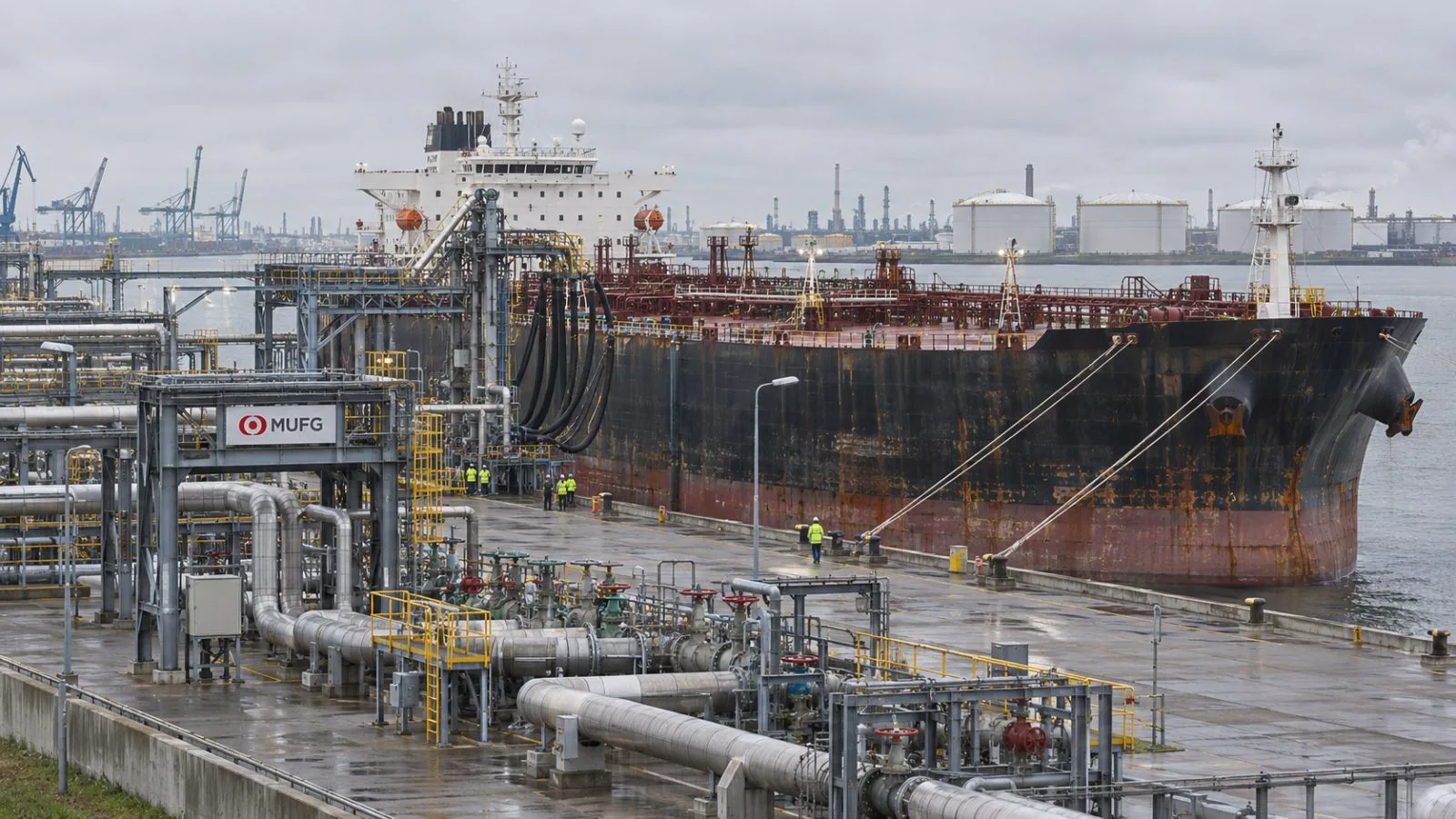
MUFG estimated Brent crude had dropped about 23% so far in November and was nearing $90 a barrel in its Nov. 10 note. The bank linked the retreat to investor hopes for progress in U.S.-Iran talks. The Associated Press separately reported Brent below $91 a barrel in early Tuesday trading. Hardman described the euro’s gains as a “relief rally” and said fading energy concerns could lead investors to cover bearish positions, potentially creating a short squeeze.
MUFG put the spread between French and German 10-year government bond yields at about 145 basis points, following an October peak near 175. The bank attributed the narrowing to developments outside France rather than a shift in French fiscal policy. The assessment follows MUFG’s earlier view that French fiscal and political risks were weighing on the euro.
The European Central Bank’s reference rate was $1.1193 per euro on Nov. 9, up from $1.1165 on Nov. 6; these are published reference rates, not live trading quotes. The U.S. Bureau of Labor Statistics scheduled its October consumer price index release for Nov. 10 at 8:30 a.m. ET.