Malaysia has added RM30 million to its Media Innovation Fund, Communications Minister Fahmi Fadzil said, urging financially strained media companies to seek assistance before reducing staff, The Star/Asia News Network reported.
Fahmi linked industry pressure to advertising money moving from traditional news outlets to social media platforms. He said the shift has made it harder for media leaders to manage their businesses. Companies facing financial trouble should contact him early, he said, so the government can consider what assistance may be possible.
The latest addition brings a new RM30 million allocation to a fund established to assist media companies. Separately, RM30 million had already been disbursed to 72 Malaysian media companies under Media Innovation Fund 2.0. Fahmi said the earlier funding aimed to help local organizations change their digital operations, modernize and become more sustainable.
Fahmi said he wanted to prevent employees from facing hardship after layoffs and urged companies to avoid dismissing staff indiscriminately. He also said he wanted to prevent media companies from shutting down or going bankrupt.
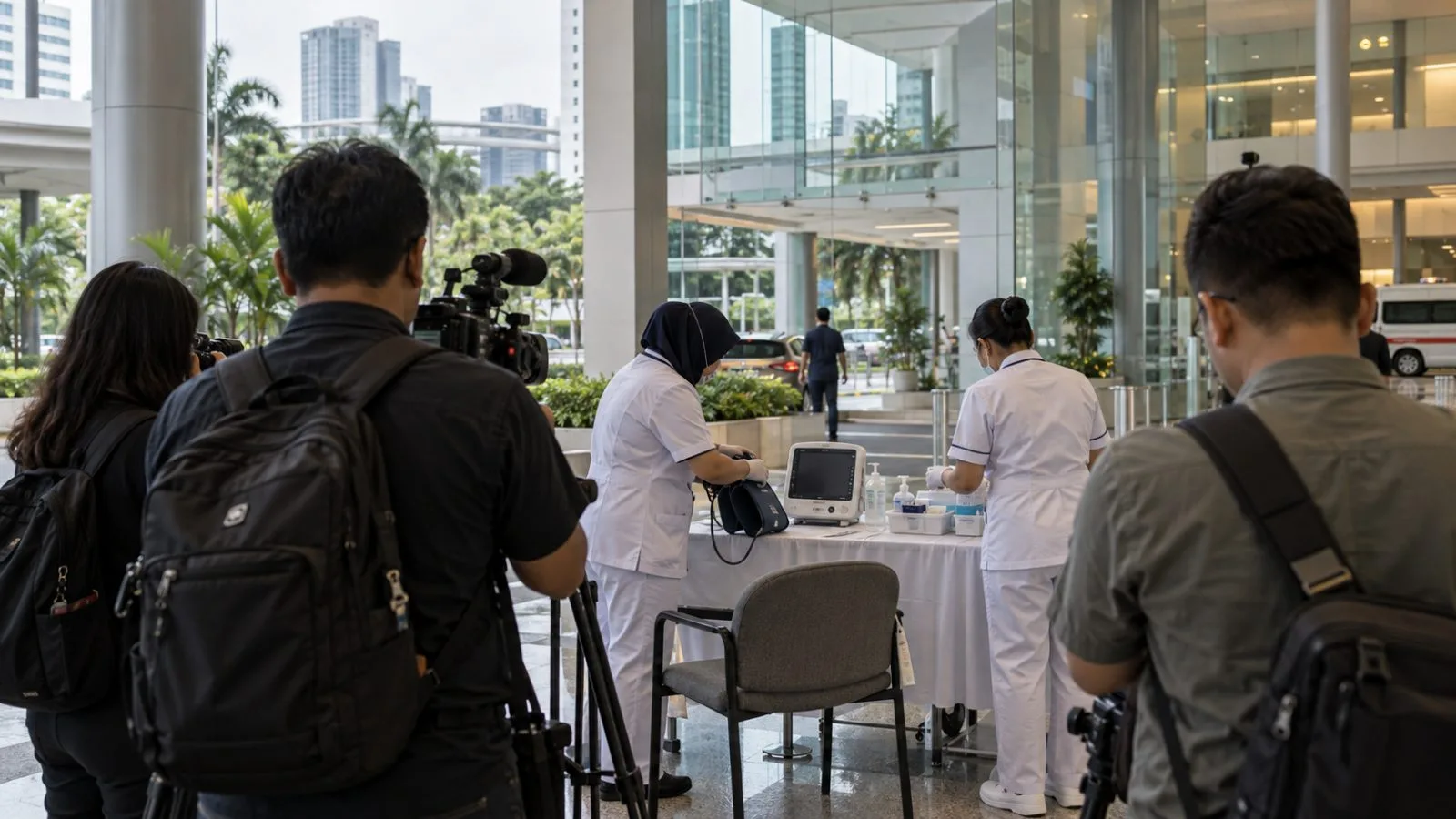
Fahmi made the funding announcement at an Oct. 31 launch for a separate Journalists’ Health Screening Programme, a joint effort by the Malaysian Media Council and Cardiac Vascular Sentral Kuala Lumpur. The report said the program was worth RM4,000.
The government will consult the Malaysian Media Council and media organizations about whether the screening plan is practical, Fahmi said. Access could be difficult for journalists in Sabah, Sarawak and other areas outside the Klang Valley if medical services were concentrated there, he said. Participation will be voluntary, though the government wants media companies to encourage staff to get screened annually.
Malaysian Media Council Chairman Nallini Pathmanathan said media organizations should make journalists’ welfare a priority. She argued that rules alone cannot strengthen the industry without attention to the people who work in it.