Malaysia’s coming minor durian season is nearing as industry representatives flag flowering and fruit-quality concerns, while official forecasts point to generally normal rain across several major growing districts.
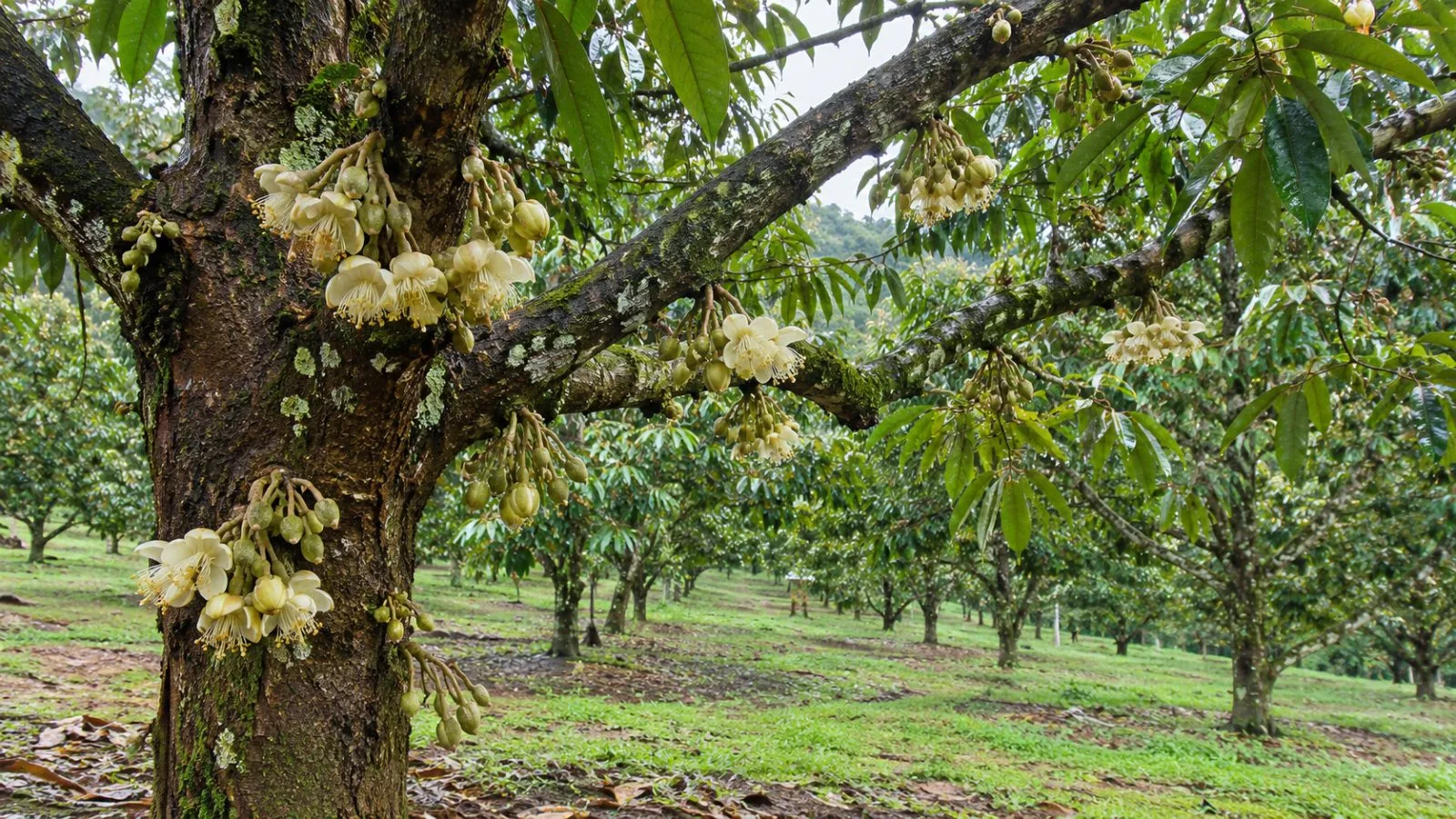
Durian consultant Andrew Yeon told The Star that some Pahang farms had begun flowering in the two weeks before the outlet’s Nov. 2 report. He cautioned that a sudden downpour while flowers are open could interfere with pollination and limit fruit formation. Eric Chan Yee Hong, president of the Durian Manufacturers Association, told The Star that flowering was difficult in some parts of Johor and raised concerns about fruit defects.
The Malaysian Meteorological Department (MetMalaysia), in an Oct. 5 outlook, placed Raub, Pahang’s monthly rainfall within normal bands from November through February: 200 to 300 millimeters in November, 160 to 240 in December, 100 to 150 in January and 80 to 120 in February. It categorized rainfall as normal from November through March in Johor’s Segamat, Muar, Tangkak and Batu Pahat districts. The department characterized El Niño as moderate and projected it to persist through May 2027, while flagging January through March as a period when drier conditions may develop.
The ASEAN Specialised Meteorological Centre (ASMC) documented smoke from Kalimantan reaching Malaysia in September, including plumes classified as moderate to dense. It recorded moderate haze in parts of Peninsular Malaysia on Sept. 5. MetMalaysia warned that continued low rainfall during a drier stretch could raise local haze and water-shortage risks.
Farmer Chen told Sin Chew Daily, in an account relayed by AsiaOne, that trees at his orchard were expected to flower in August but had formed buds without blooming. He said a harvest anticipated for the end of January could be delayed until late February or early March.
Department of Agriculture Director-General Datuk Nor Sam Alwi told The Star that El Niño projections alone do not allow a reliable estimate of potential durian production losses in 2027. She said an assessment would need information about affected areas, rainfall, soil-moisture deficits, crop stages and actual damage. Alwi said orchards with limited reliable water are more exposed, and prolonged shortages can weaken trees, reduce the fruit they retain and lower saleable harvests and farm income. Chan told The Star manufacturers may lose money when defects such as blackened seeds are found only after fruit is opened.
The Department of Statistics Malaysia recorded durian production of 600,319 tonnes in 2025, compared with 568,806.8 tonnes in 2024. The annual totals provide no forecast for the coming minor season. MetMalaysia flags January through March 2027 as the period when drier conditions may return.