Some Malaysians are reviewing how to protect their finances and online accounts after Prime Minister Datuk Seri Anwar Ibrahim warned lawmakers that geopolitical tensions could expose the country to cyberattacks, The Star/Asia News Network reported.
Anwar told Parliament on Nov. 3 that officials were tracking overseas developments, including cyberattacks on critical infrastructure in Japan, Europe and the United States, as tensions rose in the Middle East, the outlet reported.
Attacks on grocery refrigeration equipment in at least 10 European countries led to significant food losses, The Star/Asia News Network reported. Temperatures reportedly climbed as high as 50 C. France has separately blamed Iran’s Revolutionary Guards for supermarket cyberattacks, according to a French government announcement described in EconoTimes’ earlier coverage of the accusation.
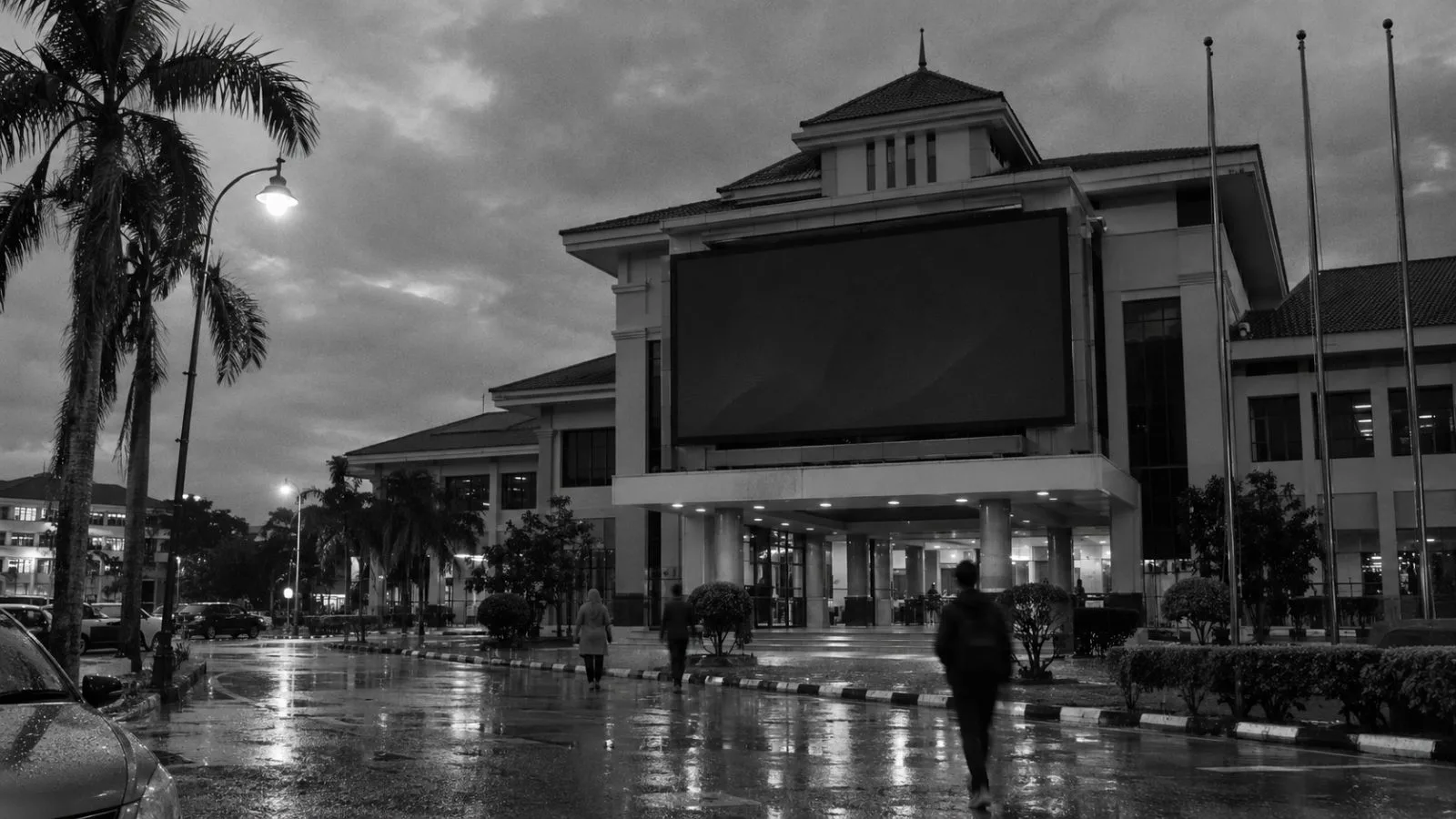
The outlet reported that an Oct. 29 cyberattack led to lewd photos and videos appearing on an LED screen used by Kluang Municipal Council in Johor.
Aisha Mohd Yusof, 39, a school management assistant and mother of two, said she is considering keeping cash to cover several days of household expenses if banking services are disrupted. She said cash could bring theft risks and urged people to stay alert and informed without panicking. Yusof said she expected the government to announce any steps residents should take.
Teoh Kah Siang, 42, a traditional Chinese medicine practitioner, told the outlet he had not taken extra measures but was following global cybersecurity developments and maintaining his usual digital security practices. He said the worldwide rise in attacks was worrying and people should be careful.
Mechanic K. Pravin, 32, said he had updated his passwords and avoids public Wi-Fi, particularly for online transactions. He also avoids unfamiliar links, including in emails that look legitimate, and said technology-savvy friends advised him to keep his phone and computer software up to date.