The Balearic Islands government has approved permanent closure of Mallorca’s last two coal-fired units, a step in Spain’s energy transition as electricity still supplies only one-quarter of final energy use.
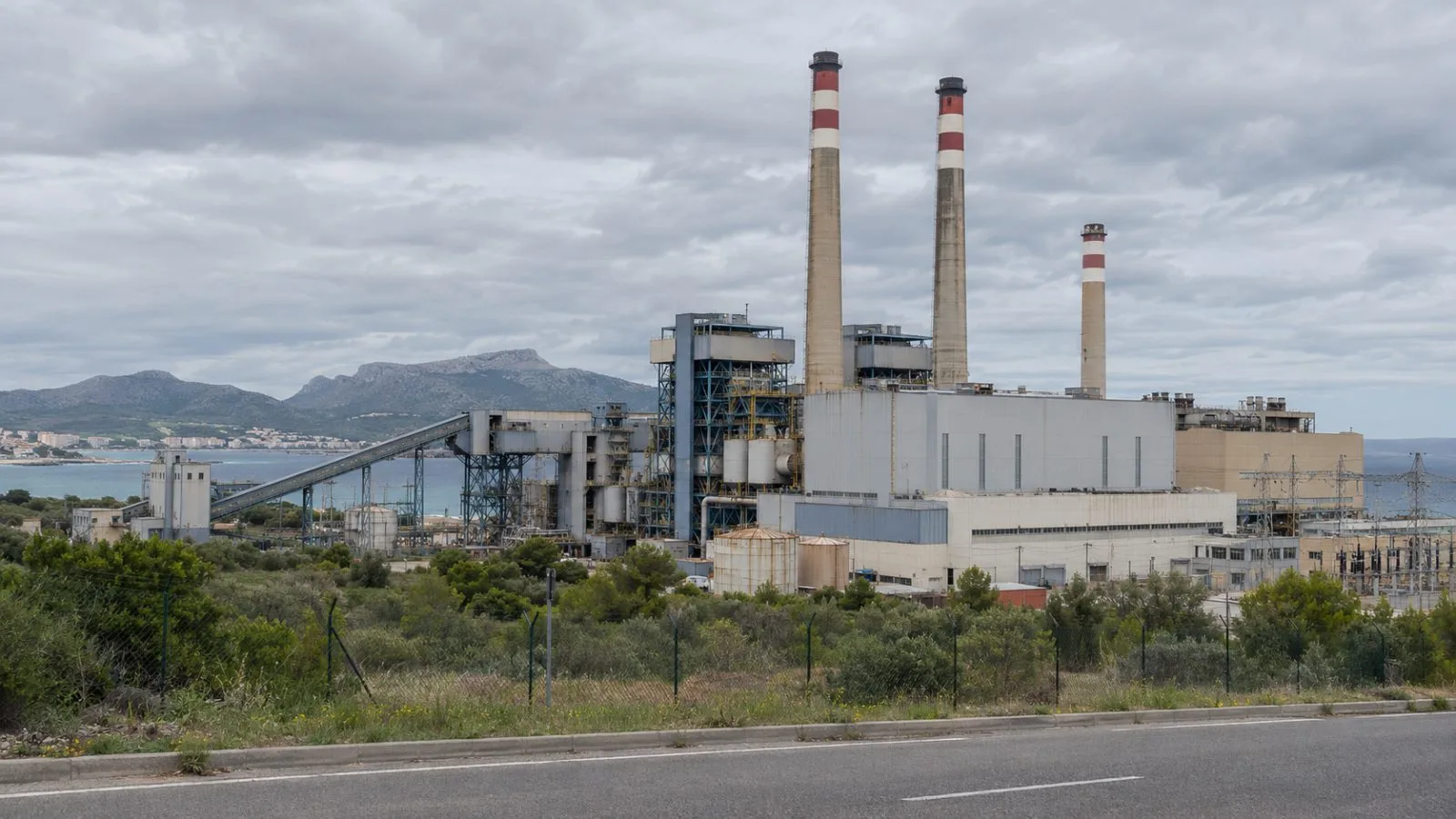
The Oct. 29 decision covers units 3 and 4 at the Es Murterar power station in Alcúdia. The government said the system operator had issued a favorable assessment of removing the units and the security of electricity supplies to the islands.
The approval starts a process rather than completing it. Endesa must disconnect and dismantle the coal units, while two gas turbines with a combined capacity of 75 megawatts will remain operational at the site. The government and Endesa will examine possible future uses, including renewable energy projects, electricity storage and other energy solutions. The government said the dismantling would follow sustainability and circular-economy criteria, with specialized training intended to support local workers and businesses.
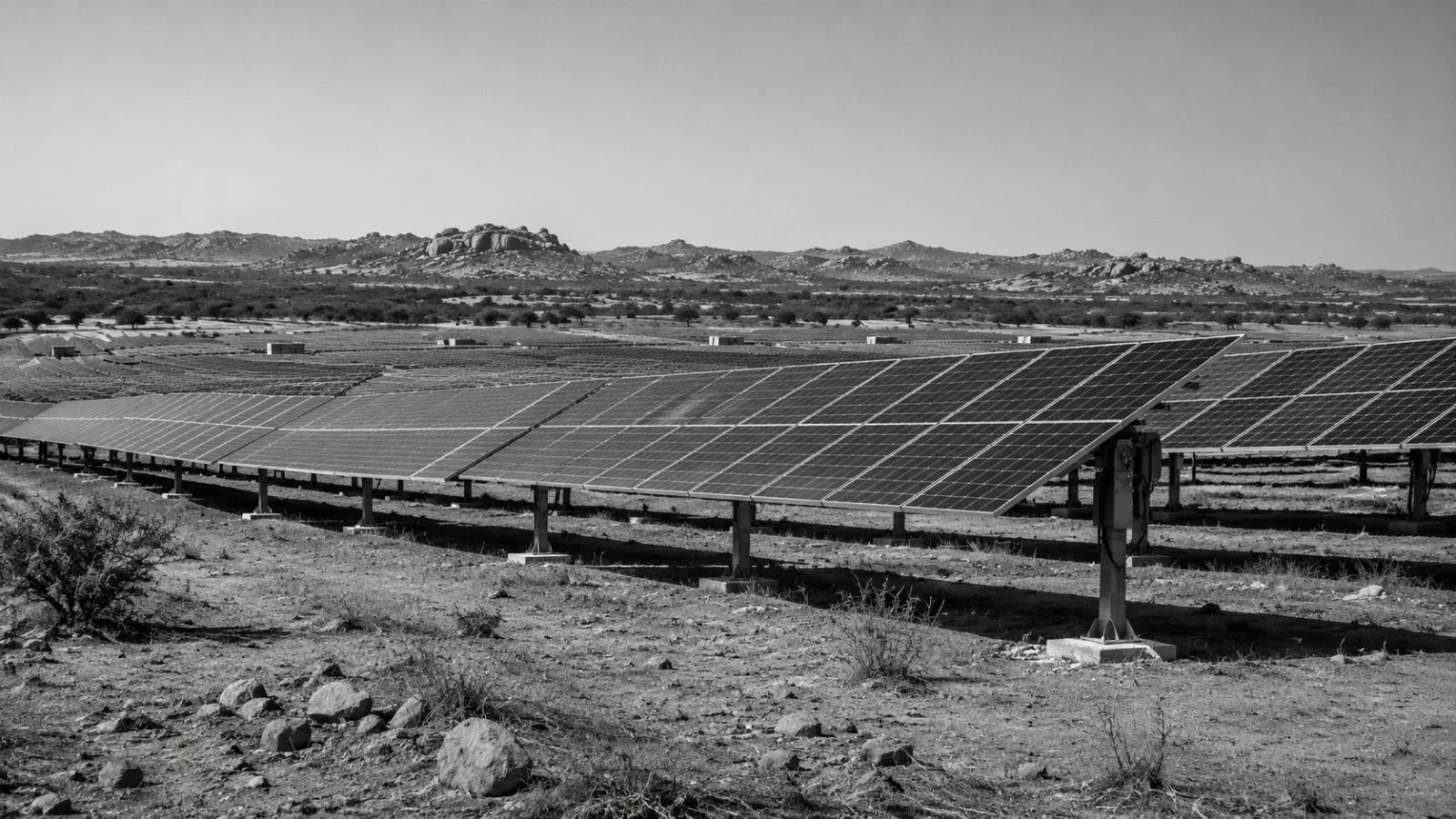
Spain’s power system has changed substantially over the past decade. The International Energy Agency (IEA) says the country had about 119 gigawatts of renewable electricity capacity in 2025, more than twice its 2015 level. Renewables supplied 56% of electricity generation in 2025, compared with 35% in 2015. Greenhouse gas emissions were about one-fifth lower in 2024 than in 2015.
The IEA estimates that wind and solar reduced Spain’s cumulative gas-import costs by $26 billion from 2011 through 2024. It says the country’s 2024 gas imports would have been nearly 40% higher without renewable capacity added during that period.
Electricity accounted for 25% of Spain’s final energy consumption in 2024, below the government’s 35% target for 2030. The IEA cites limited electric-vehicle adoption, fossil-fuel heating and high upfront industrial costs as obstacles to wider electrification. It also says taxes, levies and network charges keep consumer electricity prices high compared with fossil fuels.
Endesa is responsible for the next physical step at Es Murterar, but the government set no date for the disconnection or dismantling work.