Mayaya’s gold boom has drawn outside capital and thousands of workers, according to the Guardian, as a reported pay gap and official findings of illegal activity raise questions about local returns and state oversight.
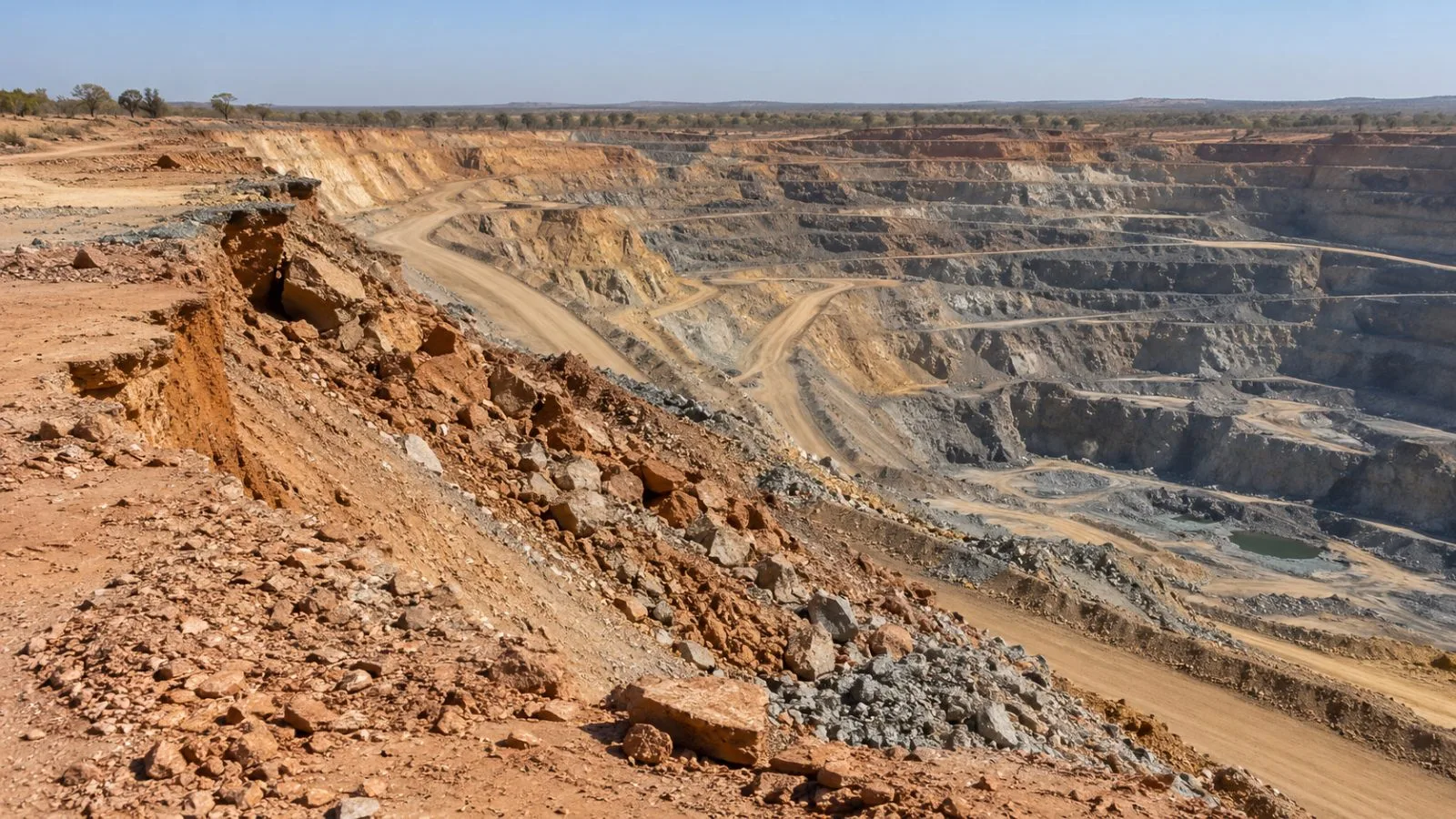
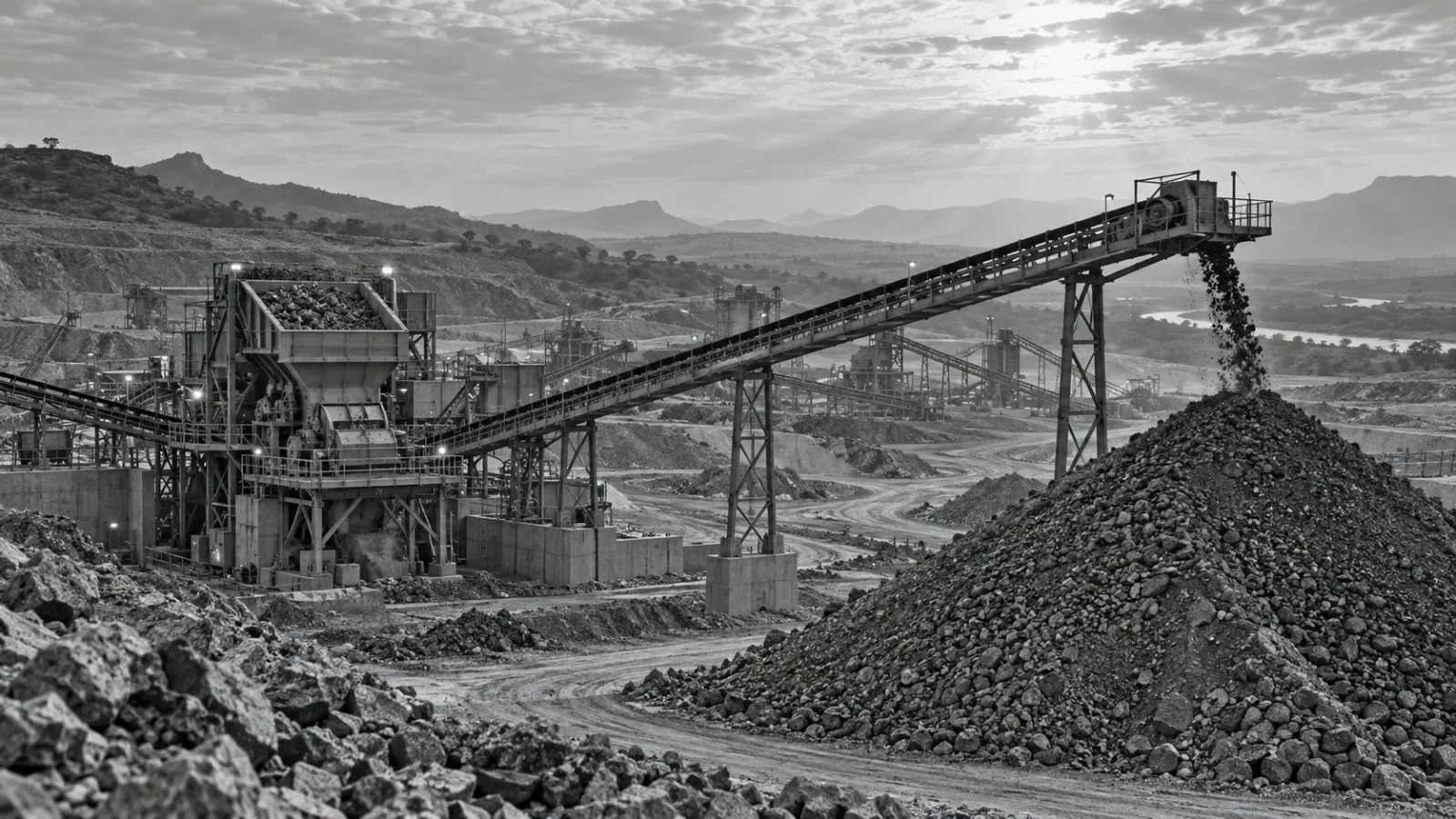
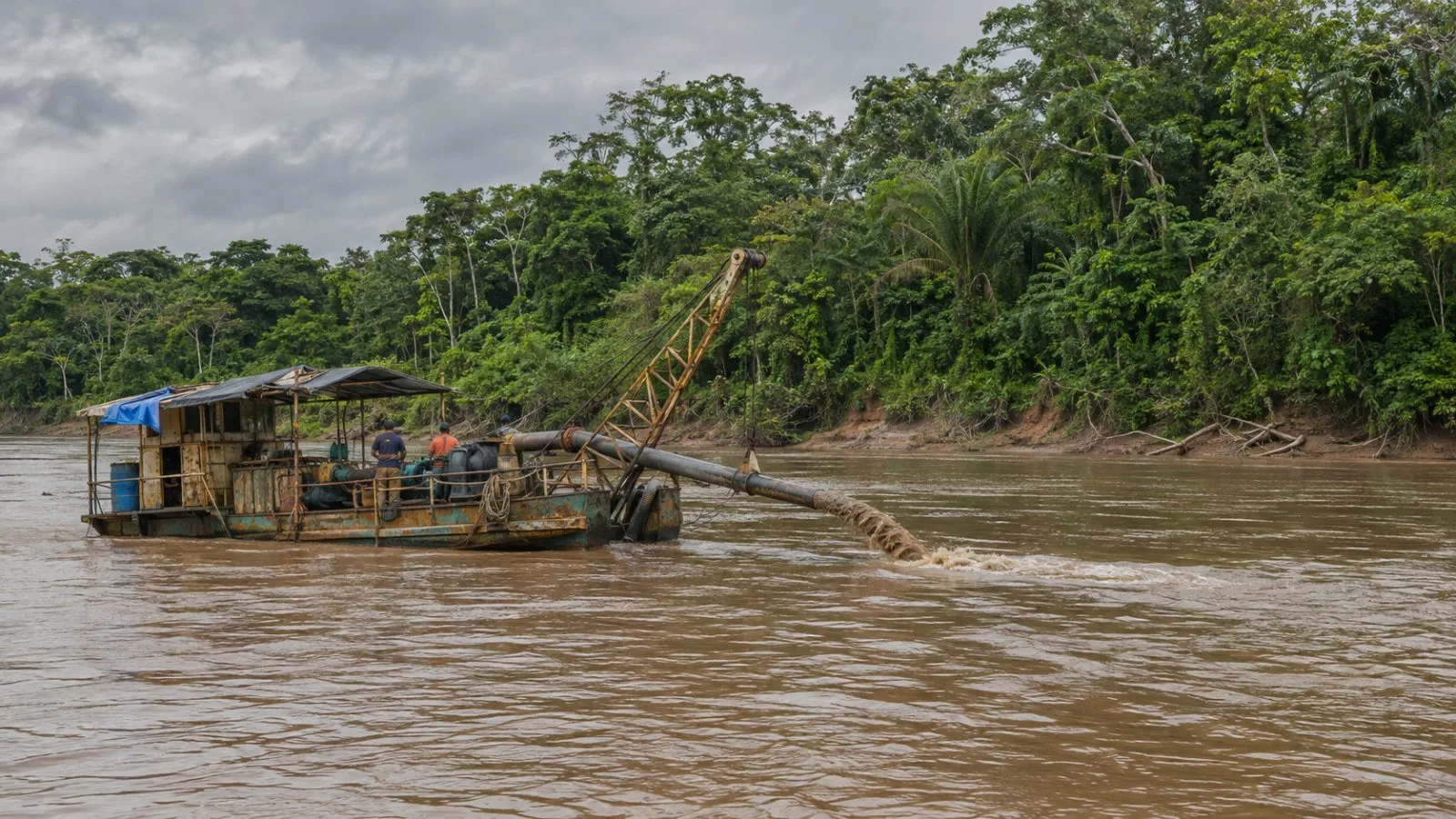
The Guardian reported about 20 open-pit mines and 12 dredge boats in the town; roughly 2,000 Bolivian workers and 200 Chinese workers operate them. The newspaper also reported growth in hotels, shops and restaurants alongside mining activity.
Bolivia’s 2014 Mining and Metallurgy Law says the country’s mineral resources belong to its people and are administered by the state. It recognizes state, private and cooperative mining. Cooperatives cannot sign association contracts with private companies, including foreign firms. Law 535 allows cooperatives to establish mixed companies with the state through Corporación Minera de Bolivia (COMIBOL), subject to the constitutional provisions cited in the law.
Mining researcher Alfredo Zaconeta told the Guardian that Bolivia lacks the resources and political will to oversee the sector, and that ownership and permit rules are rarely enforced. He said foreign investors finance cooperatives and provide equipment, then direct mine-site operations, hiring and gold sales. Zaconeta estimated their share of profits at 75% to 80%.
He Zijian, whom the Guardian identified as investor Chang Yuequan’s friend and colleague, told the newspaper he ships gold from Mayaya to La Paz. He told the Guardian that Chinese middlemen take gold to La Paz and smuggle it onward to Dubai.
Bolivia’s mining authority, Autoridad Jurisdiccional Administrativa Minera (AJAM), said in December 2025 that a Chinese national faced a criminal case over alleged extraction in a Mayaya area where no mining rights had been granted. During a Sept. 16-18, 2025, inspection, AJAM reported illegal mining along parts of the Kaka and Tequeje rivers.
Two dredge-boat workers told the Guardian that Bolivians in equivalent jobs earned roughly one-quarter of Chinese workers’ pay. Mayaya resident Victoriano Piloy said local residents receive little benefit from mining. Chang said he believes Mayaya’s gold is depleting. Separately, he expects to move on in five or six years, once his boats stop operating, the Guardian reported.