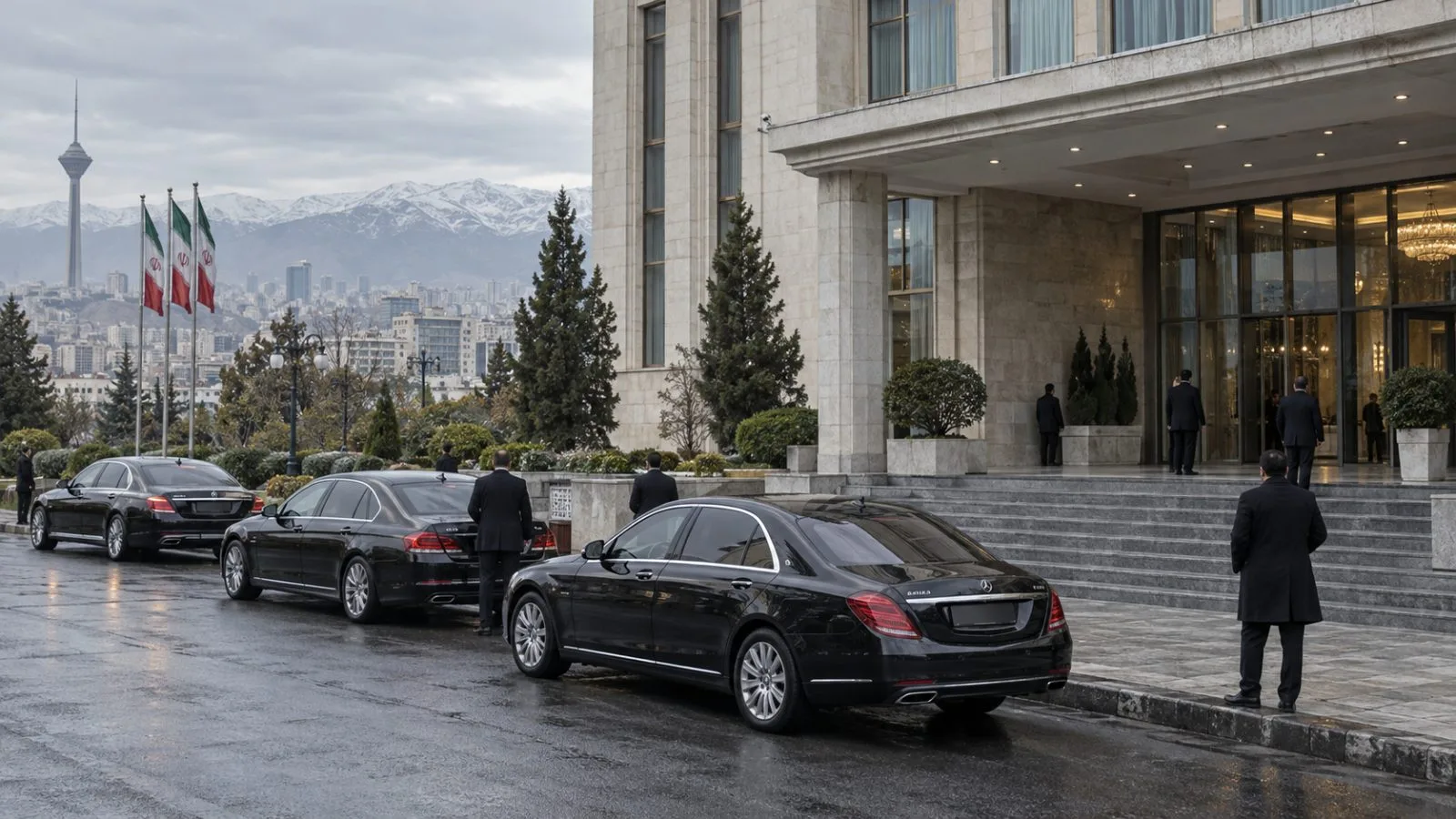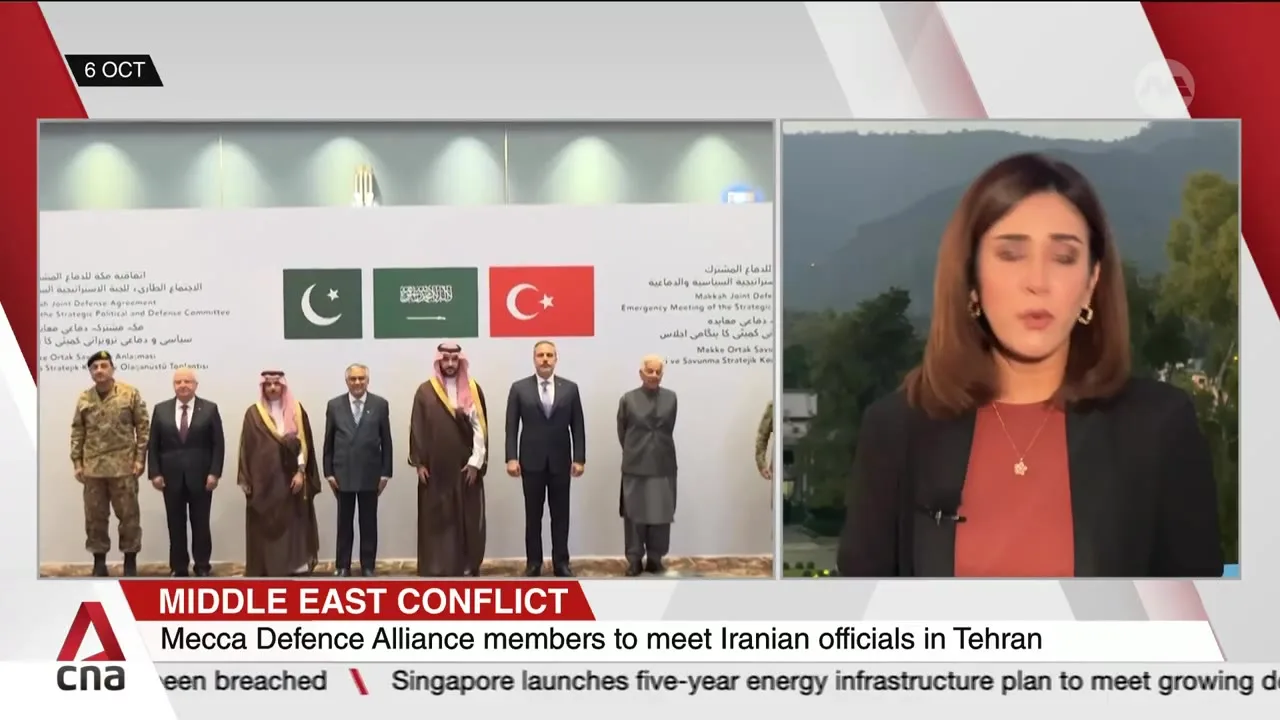
Saudi Arabia, Pakistan and Turkey sent senior officials to Tehran on Oct. 26 for their defence alliance's first talks with Iran, seeking to prevent further regional escalation, CNA reported.
The meeting opened direct contact between Iran and the three members of the Mecca Defence Alliance after attacks on Saudi infrastructure. Riyadh said keeping communication open could help prevent escalation and prepare the way for an agreement to end the conflict.
Saudi Defence Minister Prince Khalid bin Salman joined the delegation, alongside Pakistan's army chief and Turkey's intelligence chief. CNA's “Mideast conflict” broadcast, published Oct. 26, did not give an outcome from the talks or identify any agreement reached.
The countries signed the pact on Aug. 7, committing themselves to collective defence, under which an attack on one member counts as an attack on all. Each country must secure parliamentary ratification before the agreement takes effect.
The Tehran meeting followed a visit to Iran by Pakistan's defence chief the previous week. Pakistan has pursued private diplomatic contacts with Saudi Arabia, Turkey and other regional countries to seek a way to ease tensions between Iran and the United States.
The discussions were expected to address those tensions and relations between Saudi Arabia and Iran. Attacks by Yemen's Iran-backed Houthi rebels on Saudi infrastructure have added another issue to Pakistan's efforts to maintain relations with both countries.
Pakistan has already sent troops to Saudi Arabia amid the escalation. The Pakistani military said last month that the deployment was “nothing unusual”, citing military assistance between the two countries stretching back decades.
The military also said Saudi Arabia's holy sites hold religious and national importance for Pakistan and described their protection as a “red line”. It did not provide details in the remarks about how that position would apply to the current conflict.
Pakistan's Foreign Office confirmed that the country had ratified the trilateral agreement, following an announcement on Oct. 23. Officials withheld further details, saying disclosure could disrupt the diplomatic effort.
Egypt is considering joining the alliance but is not a member. Its parliament was voting on whether to send Egyptian forces to Saudi Arabia. No result of that vote was available in the broadcast.
The Houthis said they had carried out a new strike on Riyadh's international airport on Oct. 25, along with attacks on oil facilities. Saudi authorities had not confirmed those claims. The talks' outcome, the other members' ratification status and Egypt's membership decision remained open.