The White House said U.S. first lady Melania Trump helped arrange a pause in fighting in Oleshky for aid deliveries and civilian evacuations, while public accounts diverge on when the operation begins.
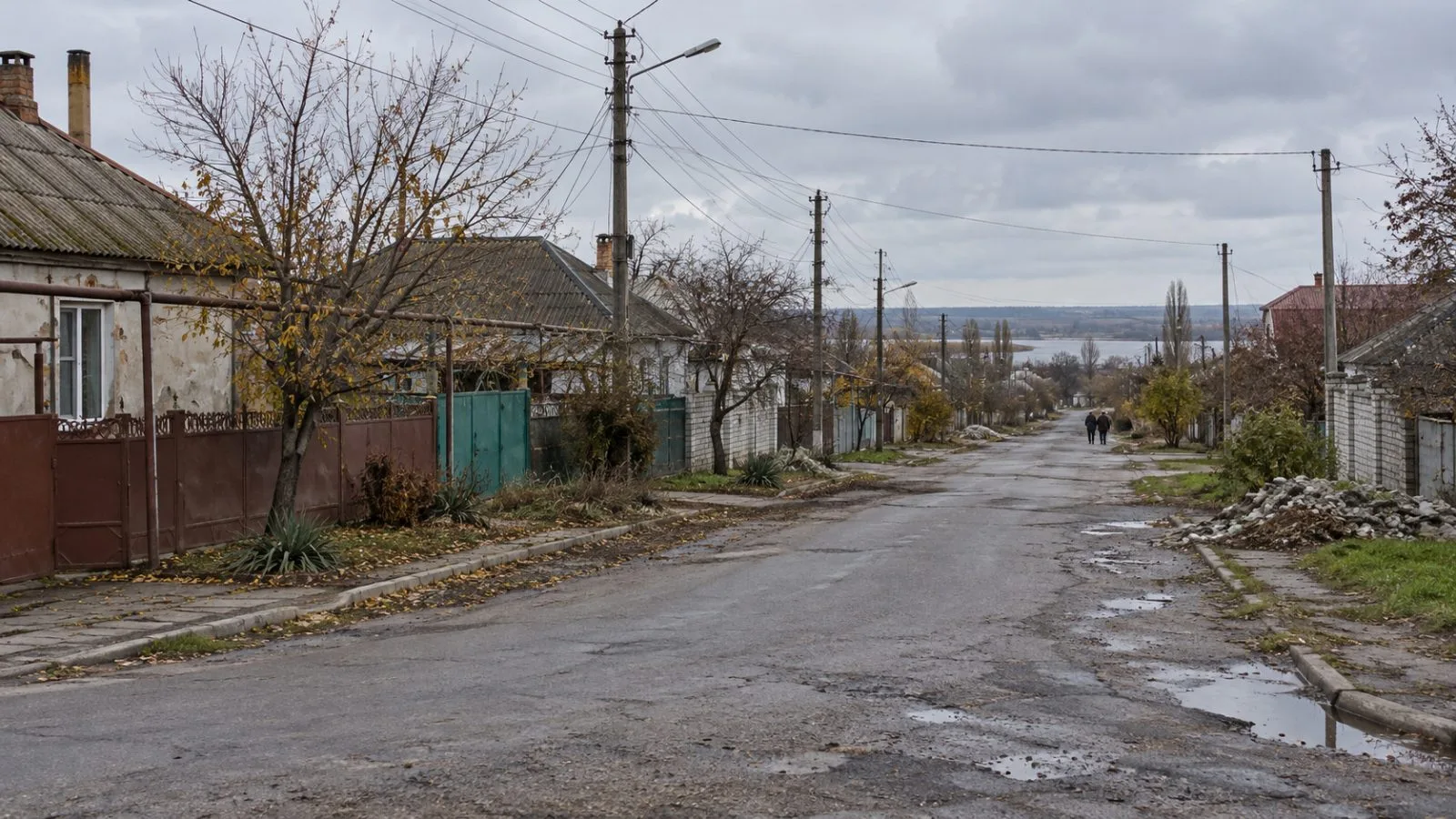
In its Oct. 23 announcement, the White House set the pause for Oct. 29 and said military action would stop in the town. The plan is intended to allow humanitarian supplies to enter and give residents a route to leave. The announcement described the ceasefire as confined to Oleshky, a Russian-occupied town in southern Ukraine.
Separate accounts put a related halt on Oct. 27. Ukraine’s human rights ombudsman Dmytro Lubinets told the Associated Press that the pause would cover the Kherson region and neighboring areas required for the mission. The Associated Press also reported that Russian Chief of the General Staff Gen. Valery Gerasimov gave Oct. 27 as the date for Russian forces to stop firing on the Kherson axis. Interfax-Ukraine reported that Russian forces would halt fighting around Oleshky that day and secure passage for a humanitarian convoy.
The accounts describe different boundaries: the White House named Oleshky, while Lubinets’ account, as reported by the Associated Press, extended to areas needed across the region. The accounts also give different start dates for the ceasefire.
Interfax-Ukraine reported that Lubinets confirmed an agreement covering a ceasefire, aid delivery and civilian departures. It said he led Ukraine’s negotiations and Russia’s human rights commissioner Yana Lantratova represented Moscow. Lubinets said, “The operation will take place gradually; it is extremely difficult to carry out.”
The White House said civilian officials from the two countries would visit homes to assess residents’ needs. People who decide to leave may choose a destination in Russia or Ukraine and receive transport; mine-clearing plans are also under discussion. The White House estimates that 1,700 to 2,000 people remain in Oleshky, including about 50 children, and said it has no formal resident count later than 2022. It described needs for medical treatment, medicine, food and clean water, as well as restricted electricity, mined roads and repeated military attacks.
Kremlin spokesman Dmitry Peskov welcomed Melania Trump’s role in the plan. Reuters reported that Peskov said the Russian and Ukrainian militaries were working out implementation dates and that the evacuation would take at least several days. The White House’s announcement lists Oct. 29; Ukrainian and Russian operational accounts cited by the Associated Press and Interfax-Ukraine point to Oct. 27.