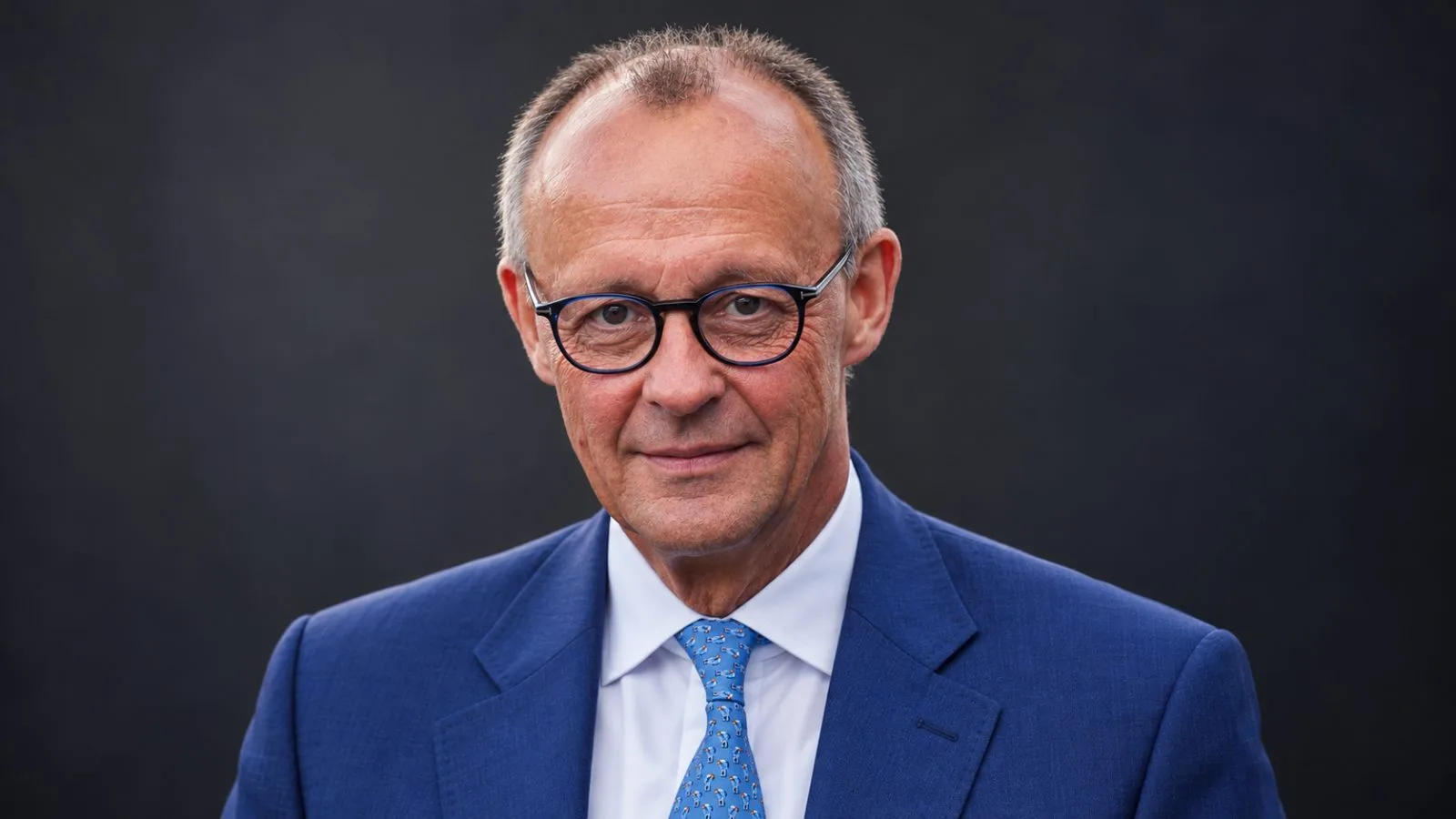
German Chancellor Friedrich Merz proposed a global alliance to defend rules-based trade and link existing agreements, arguing that political pressure on supply chains and technology access could threaten prosperity.
The German government transcript says Merz made the proposal in Tokyo on Oct. 28. He said participating governments could coordinate support for trade rules, pursue reform at the World Trade Organization (WTO) and respond together when rules are challenged or economic coercion is used. He described the alliance as a project for future work and gave no membership list or launch date.
Merz paired the political proposal with a push to connect existing trade agreements. He pointed to European Union (EU) dialogue with the Comprehensive and Progressive Agreement for Trans-Pacific Partnership (CPTPP) and the prospect of an EU agreement with the Association of Southeast Asian Nations (ASEAN). He said businesses could use advantages from multiple agreements together.
Merz also linked his proposal to the WTO’s blocked appeals body and suggested members treat initial dispute rulings as binding, according to a separate German government statement.
At the Seoul conference on Oct. 30, Merz urged the EU to shape a stronger trade offer as free trade and the rules-based trading system face pressure, Reuters reported. He said, “We want to offer opportunities beyond bilateral agreements.”
His Tokyo speech cited politicized supply chains, restricted access to key technologies and raw materials used for political pressure as risks that could threaten growth, prosperity and regional security.
The Seoul appeal came a day after Merz and South Korean President Lee Jae Myung agreed to elevate relations to an enhanced strategic partnership. The German government cited economic and technology cooperation, while South Korea’s presidential office also named supply-chain resilience, critical minerals and energy security as areas for closer work.
The Korean-German Chamber of Commerce and Industry said the conference was scheduled to run through Oct. 31 and expected to draw more than 800 business executives, policymakers and experts.