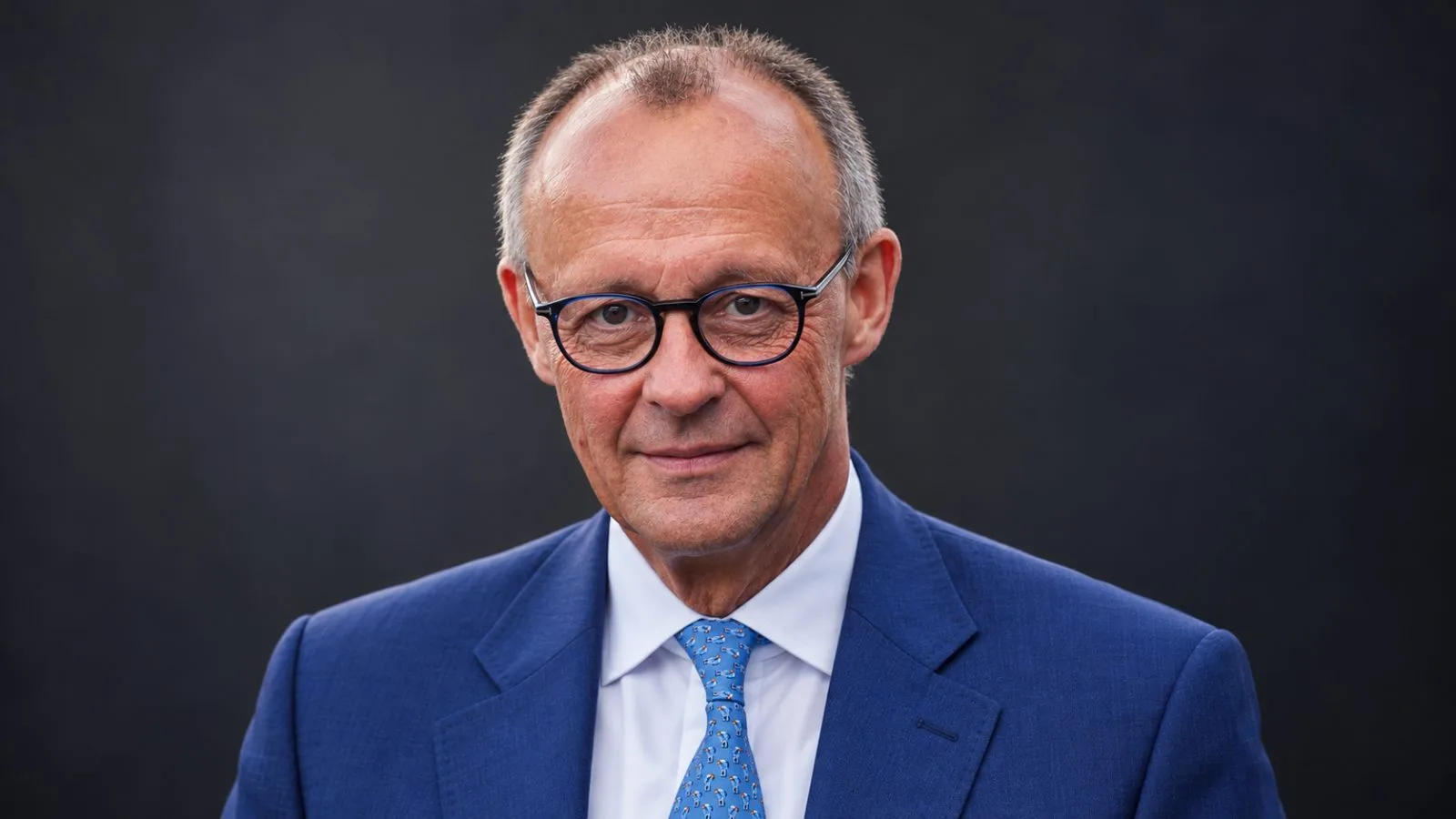
German Chancellor Friedrich Merz renewed his commitment to administrative and social security reform at a Berlin investor reception on Oct. 19, Anadolu Agency reported, as Germany seeks to attract more private capital.
The program includes cutting bureaucracy and digitizing public administration, Merz said, according to the agency. The government is pairing its appeal to investors with the €500 billion Special Fund for Infrastructure and Climate Neutrality and a separate effort to draw private money into Germany.
The government plans to commit about €30 billion in public money through the Germany Fund, aiming to stimulate more than €130 billion in investment. It presents private capital as a source of modernization, jobs and growth.
Made for Germany estimates €2.9 trillion to €4.1 trillion in capital needs across five growth areas through 2035. The initiative cites prolonged underinvestment and says energy and labor costs, corporate taxes and regulation hinder businesses. Germany’s inflation-adjusted spending on fixed assets fell 0.5% in 2025.
Merz outlined the social policy side of his agenda at an Oct. 13 employers’ event, identifying pensions, health care and long-term care as reform priorities. He said the pension transition would temporarily raise contributions paid by employers and employees.
The plans face public skepticism. A ZDF poll published Oct. 8 found that 59% of respondents thought the government’s planned and partly adopted reforms were headed in the wrong direction, while 30% approved of their direction. Another 80% said the burdens were distributed unfairly.
The government describes its investor summit as the start of an ongoing effort to connect businesses with officials. At the Oct. 20 summit, it expects about 200 executives and investors for discussions covering energy, industrial artificial intelligence, semiconductors and infrastructure.