Mexico’s automotive industry is warning of a challenging road ahead as the 2026 review of the United States-Mexico-Canada Agreement (USMCA) approaches. Executives from key associations voiced concerns at the CIAN automotive conference, highlighting stricter trade rules, rising tariffs, and increasing scrutiny of Asian components in the supply chain.
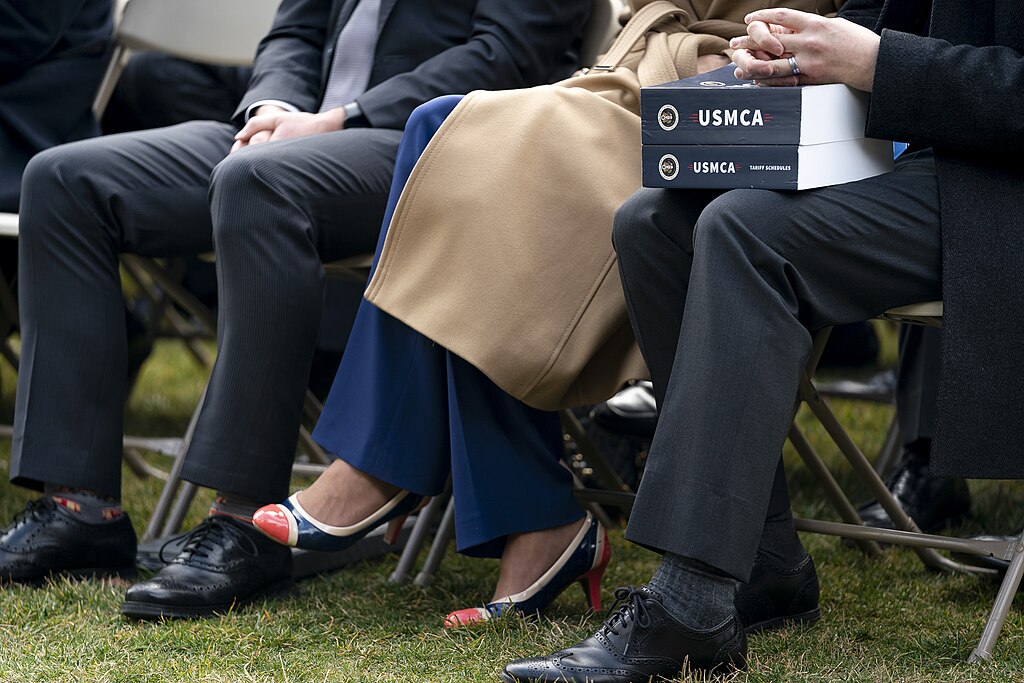
The USMCA, which replaced NAFTA in 2020, requires that a growing percentage of auto parts originate from North America to qualify for tariff-free trade. By 2024, automakers must meet a 64% regional content requirement, rising to 70% by 2027. Rogelio Garcia, head of the National Association of Bus, Truck and Tractor Truck Manufacturers (ANPACT), stressed that altering these rules would disrupt operations, as many parts cross the U.S.-Mexico border multiple times before final assembly.
The pressure has intensified following U.S. President Donald Trump’s announcement of 25% tariffs on imported heavy trucks, a move that could further complicate trade flows. In response, Mexico also plans to raise tariffs on vehicles from China and other Asian nations to 50%, part of a broader import levy overhaul aimed at safeguarding domestic jobs and addressing U.S. trade concerns.
Rogelio Garza, president of the Mexican Association of the Automotive Industry (AMIA), emphasized the importance of closer cooperation across North America, stating, “it’s the same industry.” Similarly, Francisco Gonzalez, who leads Mexico’s national auto-parts association INA, highlighted the urgency of developing smaller Tier-2 and Tier-3 suppliers. Strengthening local supply chains, particularly in electronics and software, is seen as critical to reducing dependence on foreign inputs and ensuring competitiveness under USMCA rules.
While industry leaders acknowledged the “complex outlook,” they expressed cautious optimism. The automotive sector remains committed to meeting trade requirements, adapting supply chains, and maintaining North America’s position as a key hub for global vehicle production. As Garza noted, “the outlook is complex, but we’re prepared.”