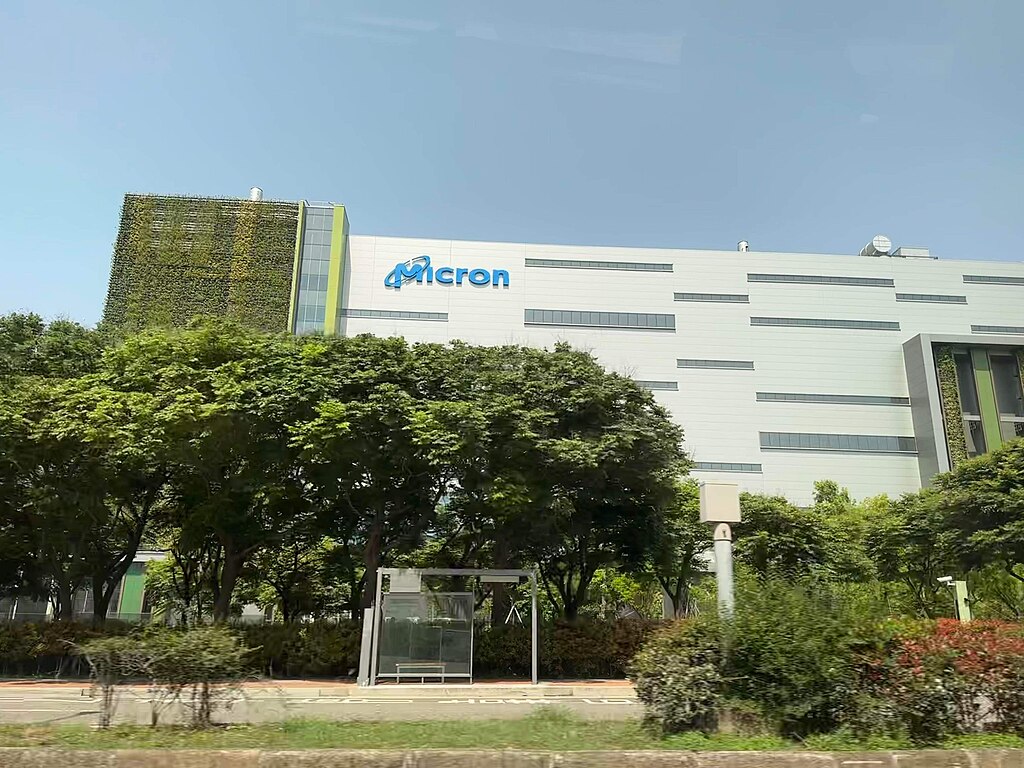
Micron Technology faces growing labor tensions in Taiwan as workers at its Taoyuan facility prepare to strike on Thursday amid a dispute over employee bonuses and profit-sharing arrangements. The planned walkout could raise concerns about disruptions to semiconductor production, particularly DRAM and high-bandwidth memory (HBM) chips used in artificial intelligence infrastructure.
The Taoyuan workers' union announced that the strike would coincide with a mediation meeting between the US semiconductor manufacturer and a separate union representing employees at its Taichung operations. The coordinated action aims to strengthen workers' demands for a fairer distribution of company profits.
According to the Taoyuan union, the strike is intended to demonstrate solidarity with employees in Taichung while pressuring Micron to present a concrete profit-sharing proposal.
The labor dispute comes at a sensitive time for the global semiconductor industry, as demand for advanced memory chips continues to grow alongside investment in AI data centers and high-performance computing.
Taiwan plays a crucial role in Micron's global manufacturing network, producing DRAM and HBM chips essential for AI servers and other advanced technologies. Any prolonged disruption could affect production schedules and potentially tighten memory chip supplies.
Micron employs approximately 15,000 workers across Taiwan, with separate labor unions representing its Taoyuan and Taichung facilities. The company has invested more than NT$1.6 trillion ($49 billion) in its Taiwanese operations, highlighting the island's strategic importance.
Negotiations between Micron and the Taoyuan union ended without an agreement in September. Workers subsequently authorized strike action in early October, paving the way for Thursday's planned walkout.
Meanwhile, the Taichung union, which represents employees at Micron's largest Taiwanese manufacturing operation, remains engaged in negotiations with management. It has not yet conducted a strike authorization vote.
A potential strike involving Taichung workers could significantly increase operational risks, although the actual impact would depend on worker participation, strike duration and Micron's contingency measures.
The Taoyuan union has not disclosed how long its strike will continue, saying additional details will be announced Thursday.
Taiwanese President Lai Ching-te has also weighed in on the dispute, urging Micron and its employees to negotiate sincerely.
As negotiations continue, investors and semiconductor industry participants will closely monitor developments for possible implications for Micron's DRAM production, HBM supply and the broader AI chip market.