Montenegro moved to address two Croatian objections to its European Union bid with laws published Oct. 19, though government decisions are still needed on a memorial and a swimming pool name.
Parliament passed the measures Oct. 13, and Montenegrin President Jakov Milatović signed them Oct. 16. Montenegro has provisionally closed 21 of 33 EU negotiating chapters. Its government aims to finish talks by the end of 2026 and join the bloc by 2028; those are its goals, not agreed EU dates.
Croatia’s foreign ministry says the countries’ outstanding issues must be settled before Montenegro concludes accession negotiations. Croatia also has a formal say at the final stage: an accession treaty requires unanimous approval by the Council of the EU and ratification by every party.
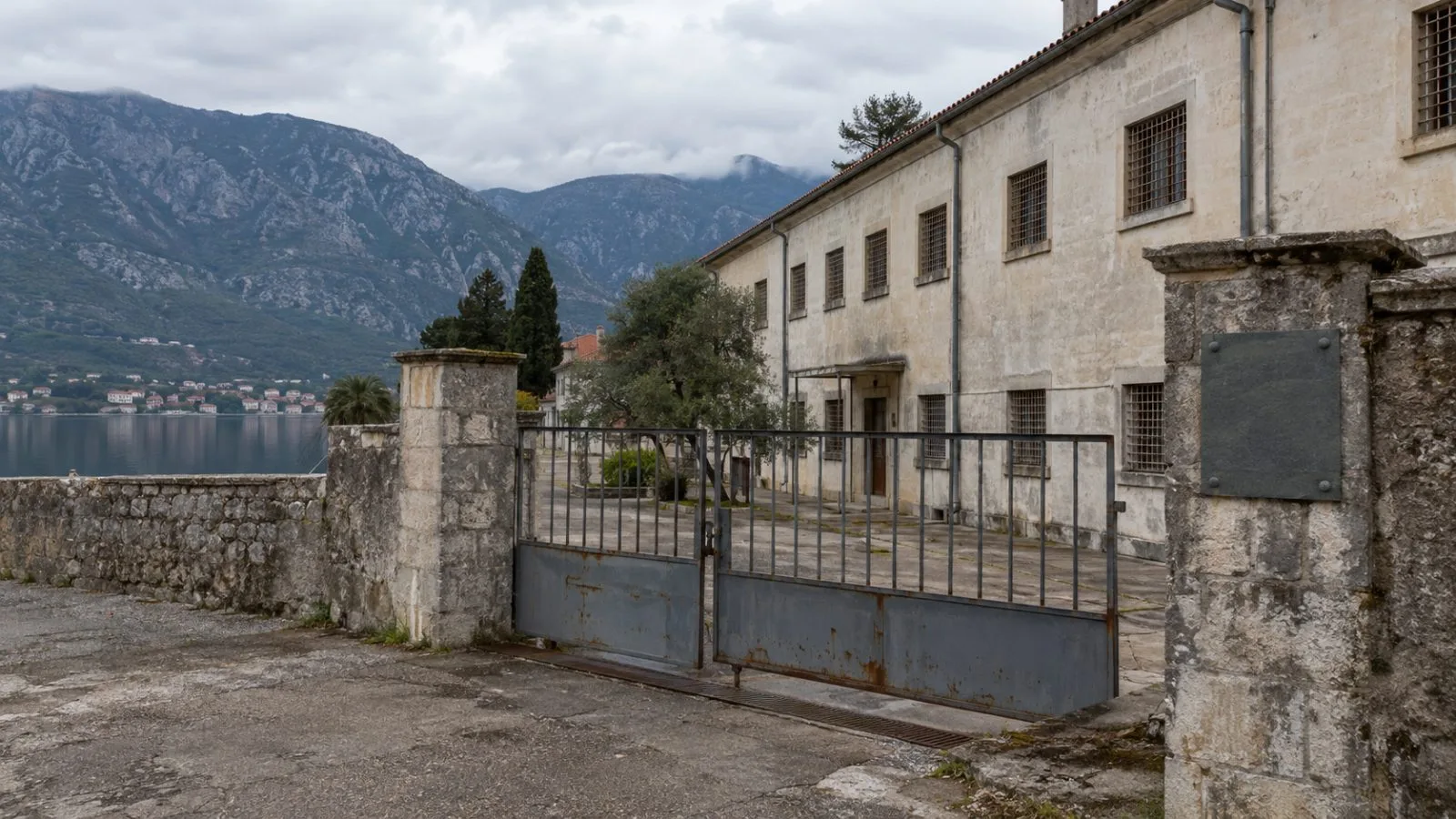
Under one law, the government may grant approval to a memorial installed without the required legal procedure if it finds a special public interest. That could offer a route to retain the plaque at the former Morinj detention site, as Croatia has requested. The plaque still needs a government decision, and the law does not replace any separately required property or other legal consent.
The second law sets naming standards for covered sports facilities, including those in public-private partnerships and those owned or used by specified local authorities. A facility can bear a person’s name only if that person died at least 40 years before the naming decision. Kotor municipal records identify its pool as “Zoran Džimi Gopčević,” but the law does not rename it.
The responsible ministry must propose facility names to the government within 90 days after the law takes effect. An existing name lapses when the government’s decision is published in the official gazette. Owners or users bear the cost of replacing signs.
Beyond the plaque and pool, Croatia’s foreign ministry has sought the return of the training ship Jadran and talks on the maritime border. It has also called for war-crimes prosecutions, compensation for former detainees, resolution of Croatian families’ property claims and efforts to find 14 people missing from Croatia’s war.
At its Oct. 15-16 summit, the European Council welcomed work on Montenegro’s accession treaty. Its conclusions said the Irish Council presidency intends to pursue closure of the remaining chapters, subject to Montenegro carrying out the corresponding reforms.
German Chancellor Friedrich Merz assessed Montenegro on Oct. 16 as having met nearly all accession requirements and described the issues raised by Croatian Prime Minister Andrej Plenković as solvable. Germany says Merz will attend the Berlin Process summit in Montenegro on Oct. 22.