Tesla and SpaceX CEO Elon Musk endorsed a podcast host’s secondhand account that Google co-founder Larry Page answered “five nines” about computing in orbit, as companies test space-based capacity.
On the Nov. 4 episode of Invest Like the Best, host Patrick O’Shaughnessy said he had heard a story in which someone asked Page what portion of computing would operate in space. O’Shaughnessy recounted Page’s reported answer as “five nines,” or 99.999%. Musk wrote on X on Nov. 8: “Larry Page has made many accurate predictions and this is one of them.” No direct statement from Page was provided or verified; his exact words, what he meant by “compute” and any timetable remain unverified.
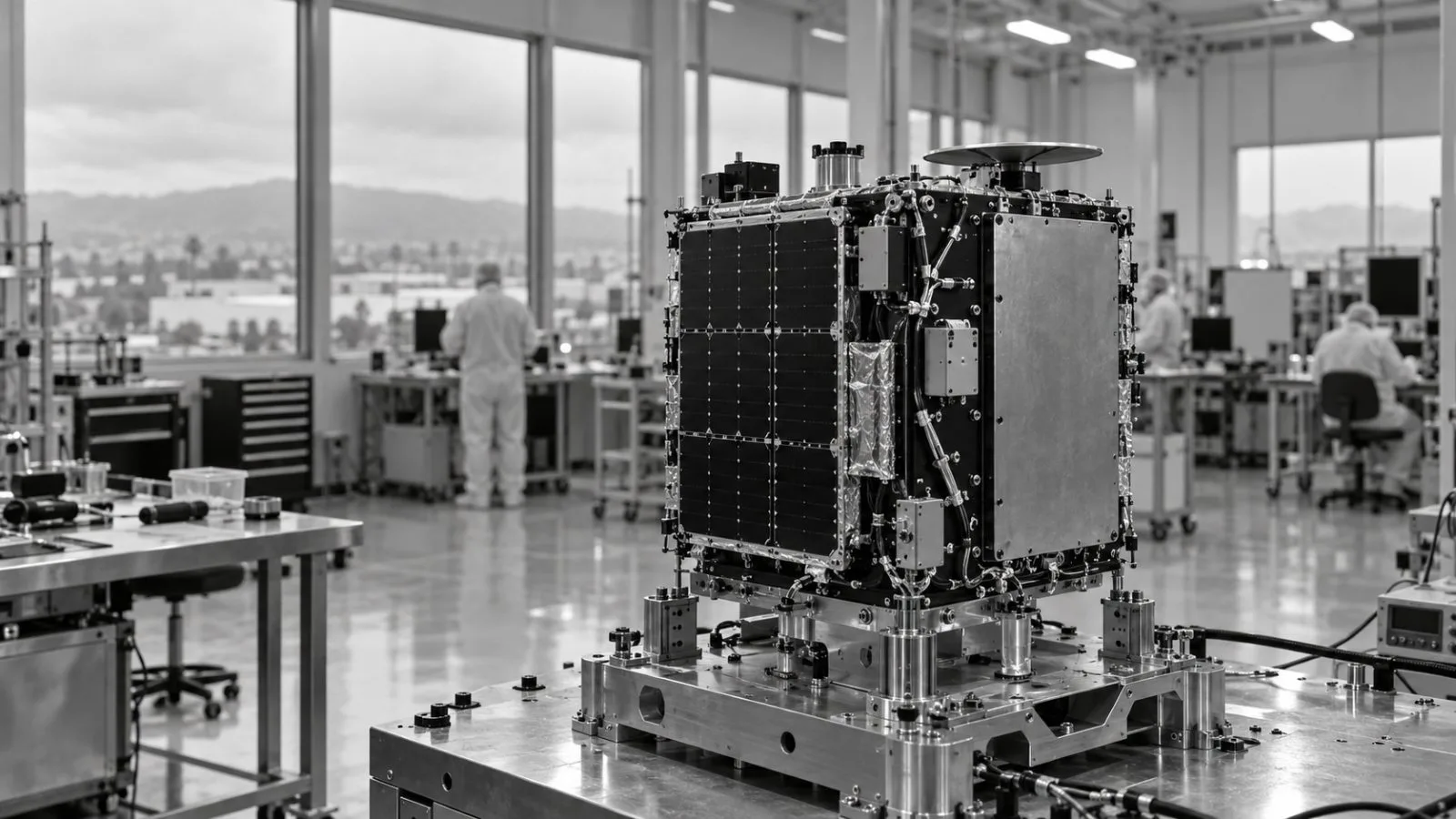
Google said its Project Suncatcher prototype launched Oct. 1 and returned an AI-generated response from a Tensor Processing Unit in orbit during the week of Oct. 30. The company is studying whether satellites could use near-constant sunlight to power computing. Radiation, cooling in a vacuum and communication between spacecraft remain engineering challenges.
The potential business case is tied in part to electricity demand. A June report from Lawrence Berkeley National Laboratory estimated that U.S. data centers could use 9.5% to 15.3% of national electricity in 2030, depending on the scenario. Andreessen Horowitz general partner Martin Casado argued on the podcast that construction and regulatory hurdles on Earth could lead operators to consider locations abroad or in space.
SpaceX said in a securities filing that orbital AI computing could expand capacity beyond terrestrial power constraints, with satellite deployment possible as early as 2028. The filing lists launch and radiation risks and says equipment in orbit would be difficult to repair or replace. SpaceX said in its securities filing that the planned Terafab project is intended to supply chips for orbital computing.
The American Astronomical Society has petitioned against SpaceX’s proposed constellation, warning that a large deployment could interfere with astronomical observations. The group said changes to earlier satellite designs reduced, but did not eliminate, their effects on astronomy. Google’s next stated milestone is a test of two interconnected satellites in 2027.