The National Aeronautics and Space Administration (NASA), the German Aerospace Center (DLR) and the Canadian Space Agency (CSA) are planning a ground facility to examine whether crop systems could support future lunar missions.
The proposed Lunar Agriculture Module – Ground Test Demonstrator (LAM-GTD) is still in its planning phase. DLR says the three agencies signed the agreement in August 2026. The German agency’s Sept. 29 release calls it a memorandum of understanding; NASA and CSA releases dated Sept. 30 and Sept. 29 call it a joint statement of intent. The announcements describe preparatory coordination and do not say construction has been approved.
DLR’s concept combines a high-density crop-growing module, an airlock that regulates pressure and gas composition, and a habitat simulator. Researchers would study plant growth in controlled, reduced-pressure conditions and track oxygen, carbon dioxide and water exchanges between the growing area and the simulated habitat. The plan does not include a constructed habitat module.
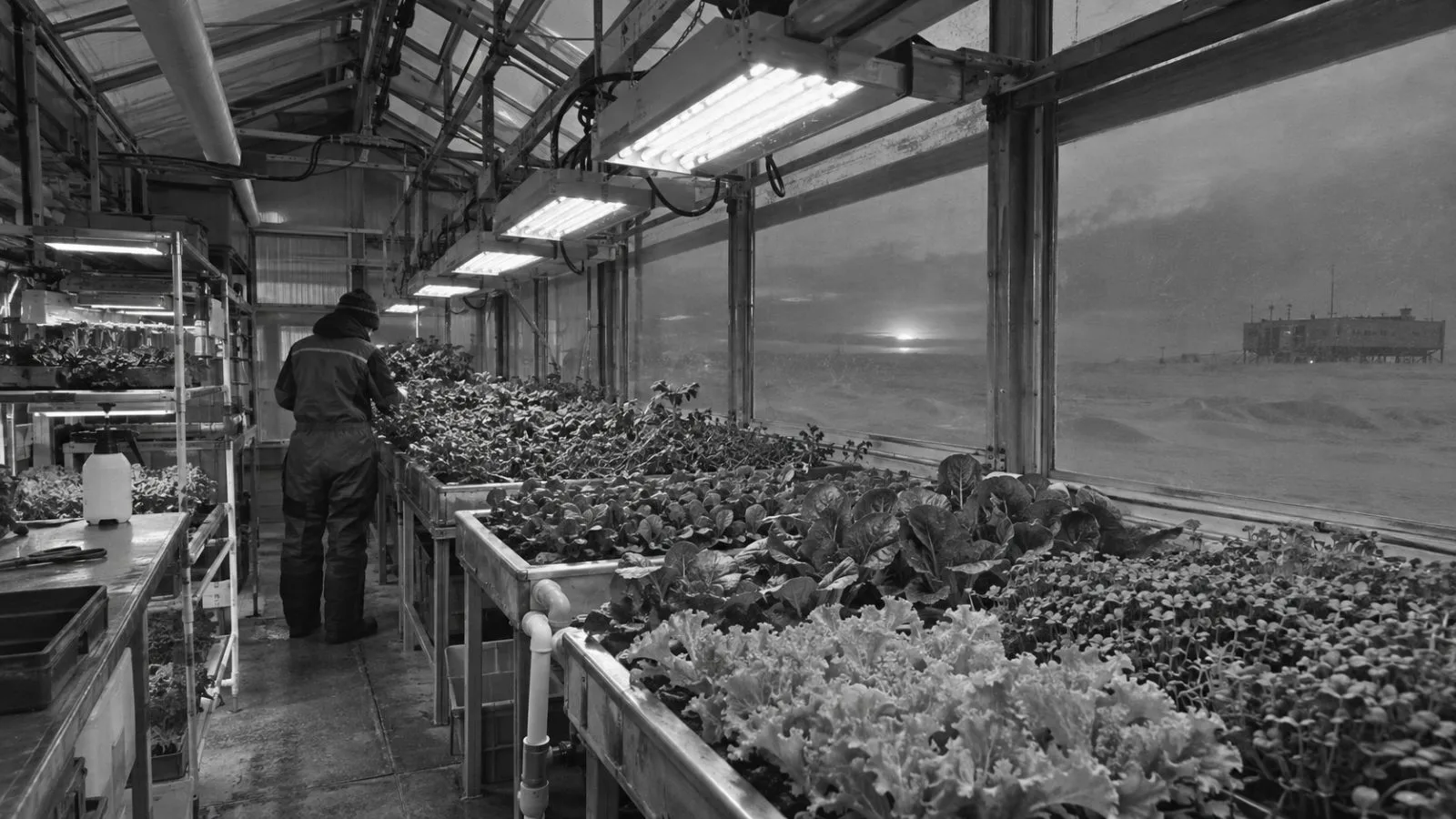
Earlier ground research offers a precedent for growing food in isolated conditions. DLR’s EDEN ISS greenhouse in Antarctica operated for five years beginning in 2018. DLR says the project produced 1,014 kilograms of vegetables, salad ingredients and herbs. The project used artificial lighting and nutrient solutions instead of soil, DLR says.
NASA says crops grown in space have included leafy greens, tomatoes, radishes and chile peppers. The agency also identifies Veggie as a plant-growth system aboard the International Space Station. CBS News previously reported on NASA research into growing potatoes under lunar conditions; EconoTimes covered that work in an earlier story on NASA’s potato study.
NASA links crop research to missions that travel farther from Earth and last longer. It says crops could add dietary variety and whole-food nutrition for crews while absorbing carbon dioxide, producing oxygen and recycling water. The Canadian agency says space-agriculture technologies could also help remote communities with limited access to fresh produce.
DLR says the partners are due by 2032 to determine whether to build the demonstrator and, if so, what form it should take.