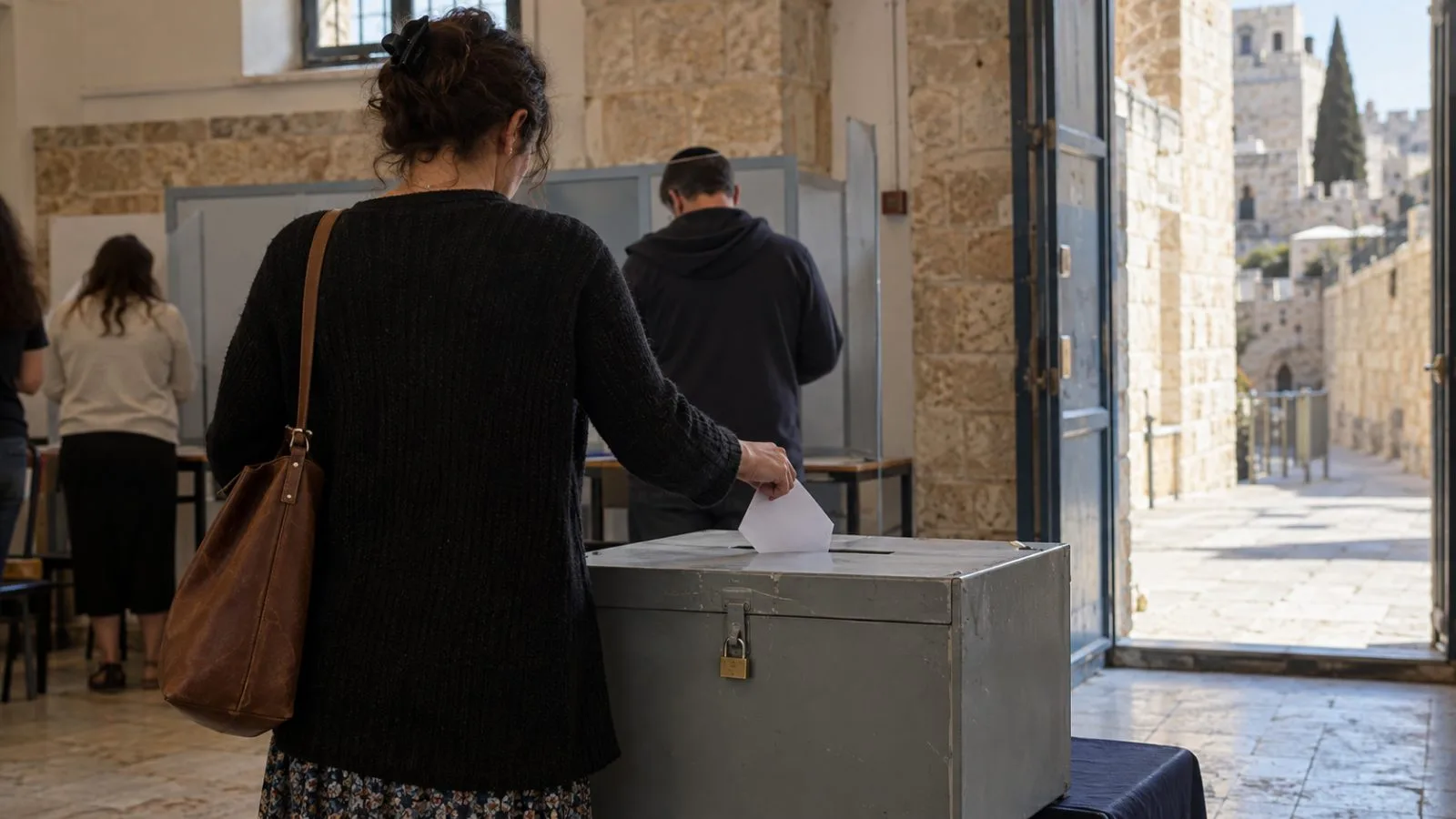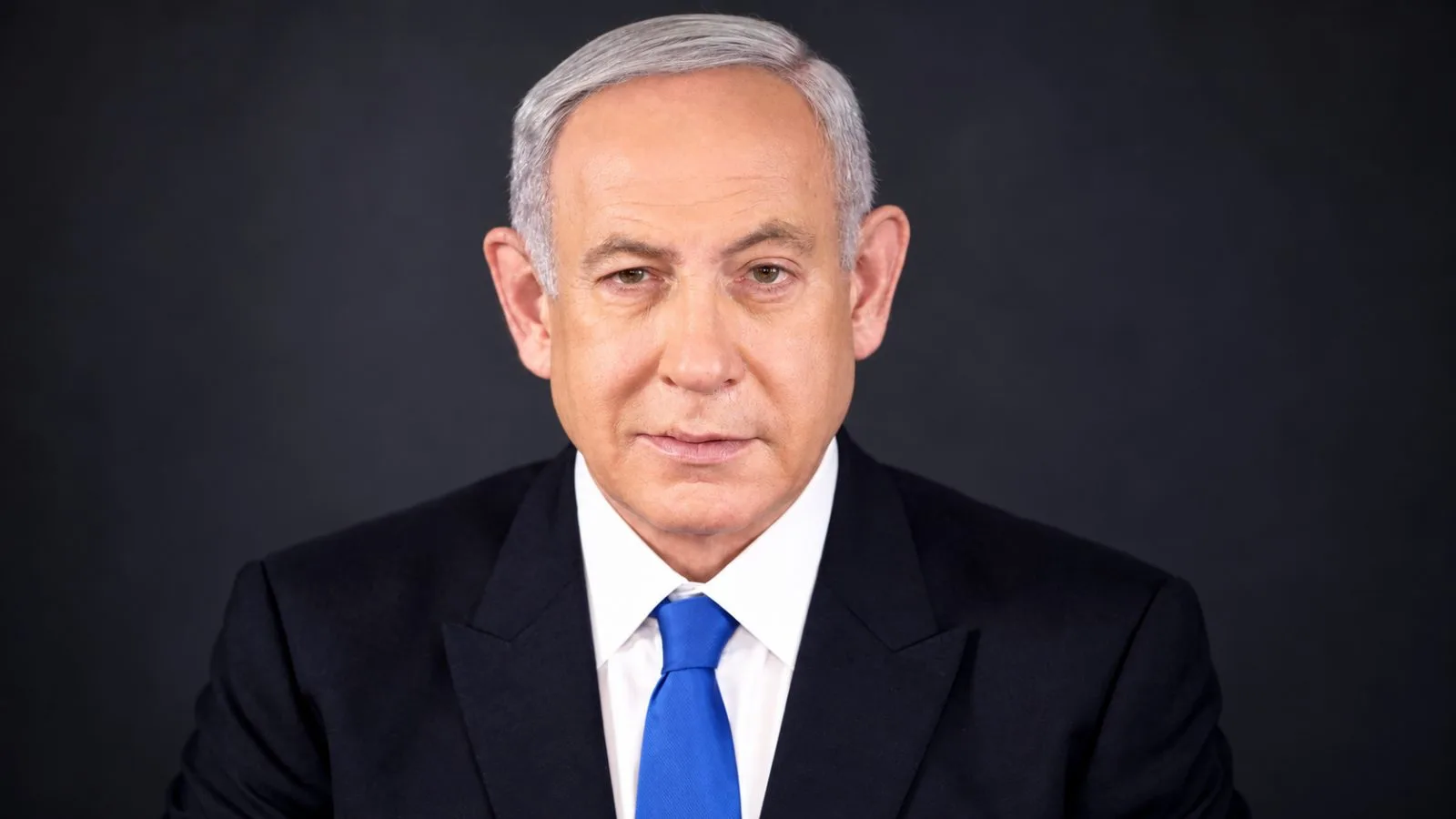
AFP reported that Prime Minister Benjamin Netanyahu invoked arrests over an alleged effort to buy votes for Raam as he urged Likud supporters to vote on Israel’s election day.
Israel Police said three people were taken into custody overnight over allegations that they offered voters money in return for support for Raam, also known as the United Arab List. Police said searches of their homes uncovered more than NIS 24,000 (about $7,900), envelopes containing cash and notes. The investigation is continuing.
Netanyahu described the suspects as senior Raam officials. Police did not name them or identify any party positions. He argued that Arab-led parties threatened the Jewish state and urged his supporters to vote Likud.
Dean Livne, acting director general of Israel’s Central Elections Committee, said authorities had not reported comparable cases elsewhere in the country. He characterized the arrests as a local incident and said the suspects had not reached polling stations when police detained them near their residences.
Raam leader Mansour Abbas rejected Netanyahu’s accusation, saying he was using it to mobilize right-wing voters. Yashar, the party led by Netanyahu’s main challenger Gadi Eisenkot, accused the prime minister of preparing supporters to dispute the election result.
Opposition parties also complained that ballot papers had been defaced or taken from polling stations. AFP reported that The Times of Israel quoted the Central Elections Committee as saying it had no signs of ballot interference on a systematic scale and was responding to reports. Separately, Arab Israeli advocacy group Adalah said it had received complaints alleging obstacles to voting in Arab towns and had raised them with the committee.
Raam may affect whether Netanyahu’s opponents can form a coalition if the result is close, AFP reported. EconoTimes has previously covered Arab-led parties’ potential role in coalition talks.