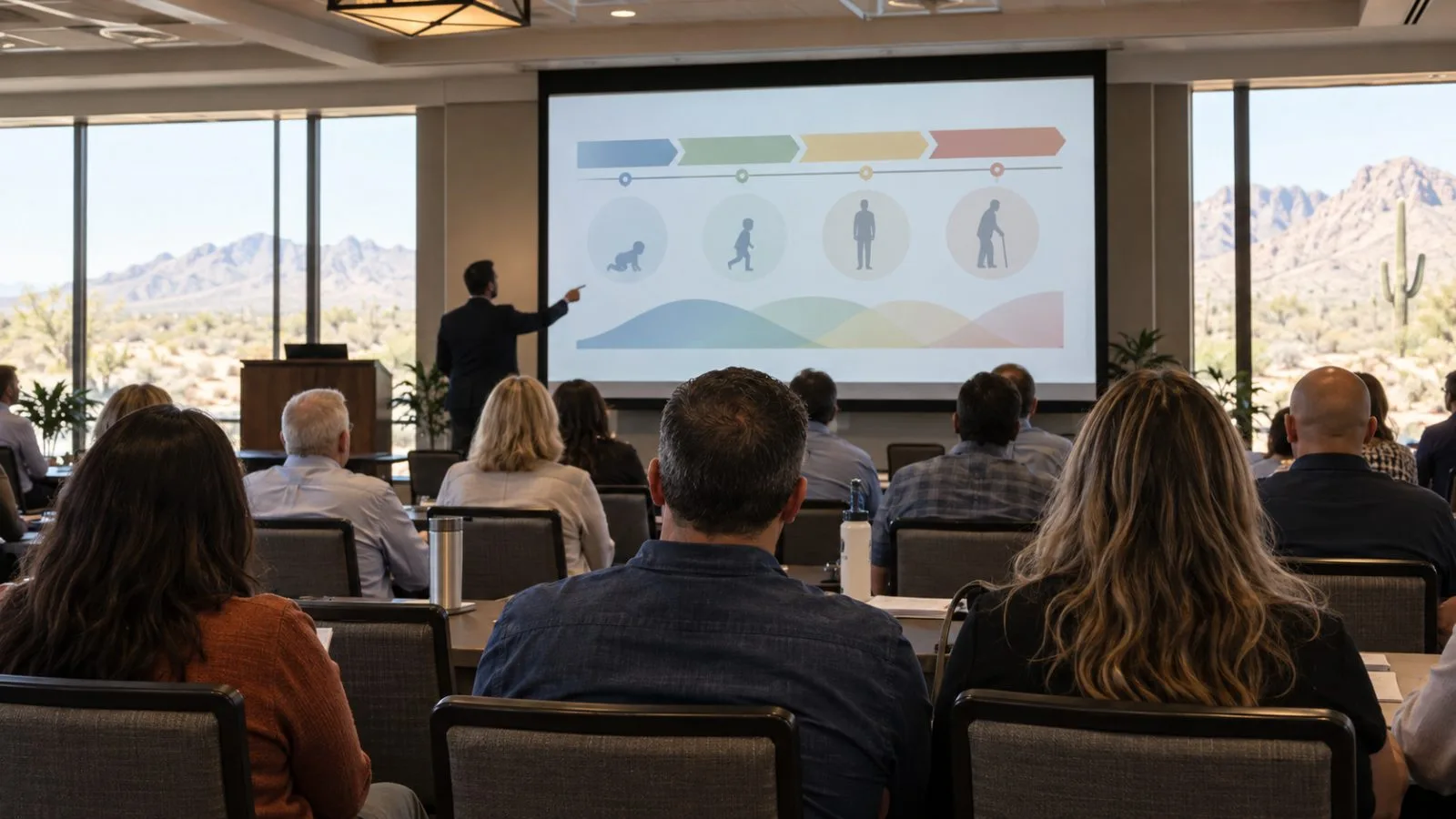
Neurocrine Biosciences said records from 10 U.S. adults with classic congenital adrenal hyperplasia (CAH) traced changing care needs over time, in an analysis meant to describe patient journeys rather than measure how common experiences are.
Four male and six female patients made up the sample. Their electronic records span more than 300 patient-years and log over 2,800 CAH-relevant events, Neurocrine said. The company identifies CAHtalog as a U.S. registry for patients with CAH caused by 21-hydroxylase deficiency.
The U.S. National Institute of Child Health and Human Development (NICHD) says this deficiency can prevent the adrenal glands from producing enough cortisol or aldosterone. In the records, early care included diagnosis, treatment and preparation for steroid emergencies; childhood entries covered growth and bone-age checks. Adolescent files noted androgen-related symptoms, treatment challenges and hormone monitoring. Reproductive and surgical needs, as well as moves to adult endocrinology, appeared in young adulthood. Adult entries included a wider range of health concerns and testing.
Medication management was documented throughout the sample. Every patient's file noted glucocorticoid dose changes and stress dosing, when steroid treatment is temporarily raised during physical strain such as illness or injury. Other records described effects on school, work, sports and everyday activities. Female patients' files included menstrual concerns; male patients' files referred to testicular imaging and concerns about testicular adrenal rest tumors.
Neurocrine said large-language-model tools helped researchers assemble the patient journeys, which the study team then reviewed and validated. Some observations came from only one or two patients, the company said. It characterized the analysis as illustrative, not a measure of how prevalent the experiences are or evidence of what caused them.
The U.S. Food and Drug Administration approved Neurocrine's Crenessity (crinecerfont) on Dec. 13, 2024, for use with glucocorticoids to control androgen levels in adults and children aged 4 and older with classic CAH. Neurocrine describes the patient-journey analysis as mapping care experiences, not evaluating Crenessity.
The Endocrine Nurses Society program lists an industry-sponsored Neurocrine presentation by Louise Fleming, Ph.D., MSN-Ed, RN, FAAN; Neurocrine identifies Fleming as the presenting author and a professor of nursing at the University of Virginia School of Nursing. Fleming said nurses can understand the “full experience of living with adrenal insufficiency.” The program schedules the presentation for the society's Oct. 16-17 symposium in Phoenix.