India’s Nifty 50 rose Friday, Oct. 30, despite net foreign equity selling, while the rupee weakened against the dollar between Oct. 22 and Oct. 30, leaving market signals mixed for investors.
Foreign portfolio investors (FPIs) recorded net equity outflows of ₹802.91 crore for Friday, Oct. 30, according to Central Depository Services (India) Limited (CDSL). National Stock Exchange of India Ltd. (NSE) data showed the Nifty 50 closed at 23,053.10, up 116.35 points, or 0.51%. The flow and index figures cover one day and do not establish a longer-term shift in foreign demand.
The Metropolitan Stock Exchange of India Limited (MSEI) archive of Reserve Bank of India (RBI) reference rates lists the rupee at ₹94.6986 per U.S. dollar on Oct. 22 and ₹95.2492 on Friday, Oct. 30. The higher rate means more rupees were needed for a dollar on the later date, showing the currency weakened over that period.
At NDTV Profit Ignite on Wednesday, Oct. 28, Motilal Oswal Financial Services co-founder Raamdeo Agrawal urged patience, NDTV Profit reported in its live coverage. “You need patience,” Agrawal said. NDTV Profit also reported that investor Ramesh Damani advocated a longer-term view and saw market weakness as an opportunity. Those comments are investor opinions, not evidence of future performance.
The market data came alongside broader messages on growth and inflation at the NDTV World Summit. At an interview there on Oct. 23, RBI Governor Sanjay Malhotra said the central bank remained committed to price stability and cited its 4% inflation target with a tolerance band of two percentage points on either side. In the interview recorded by NDTV, he described high inflation as “like a tax on everyone.” Prime Minister Narendra Modi, speaking at the summit Oct. 22, called India the “fastest-growing major economy” amid difficult global conditions.
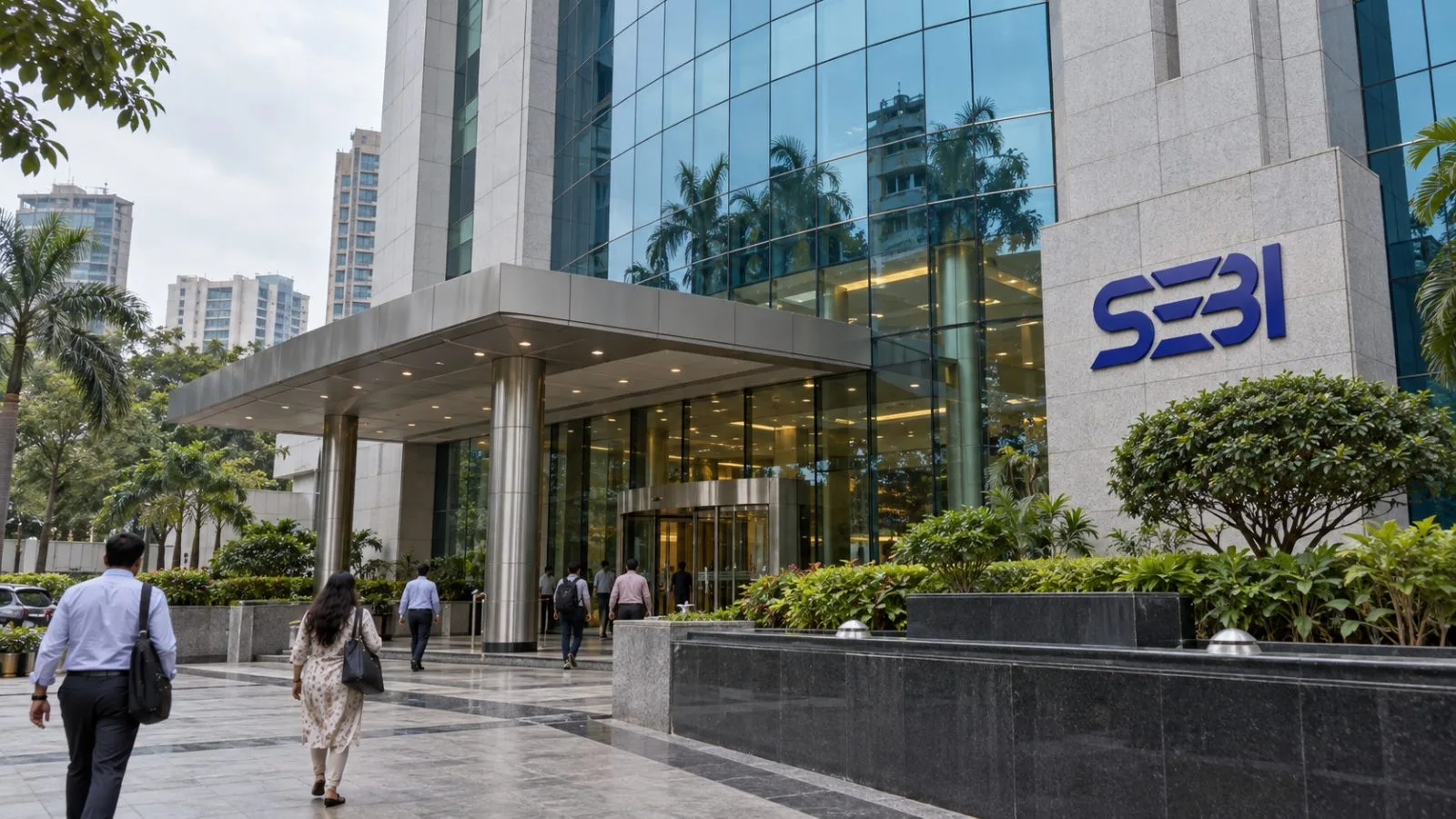
The Securities and Exchange Board of India (SEBI) issued a circular Friday, Oct. 30, revising know-your-customer (KYC) review requirements for FPIs and removing an information-submission requirement for continued registration. SEBI said the changes are intended to rationalize compliance. They take effect Dec. 1 and affect FPIs and the intermediaries responsible for their KYC reviews.