Nigeria’s Federal Ministry of Education has announced a model calling for 80% practical training in agricultural programs at colleges of agriculture, polytechnics and colleges of education after a skills analysis found limited hands-on instruction.
Education Minister Maruf Tunji Alausa unveiled 39 agricultural curricula and 31 National Occupational Standards in Abuja on Oct. 19. Of the curricula, 32 were revised and seven were newly developed. The package covers programs leading to National Diploma, Higher National Diploma and Nigeria Certificate in Education qualifications.
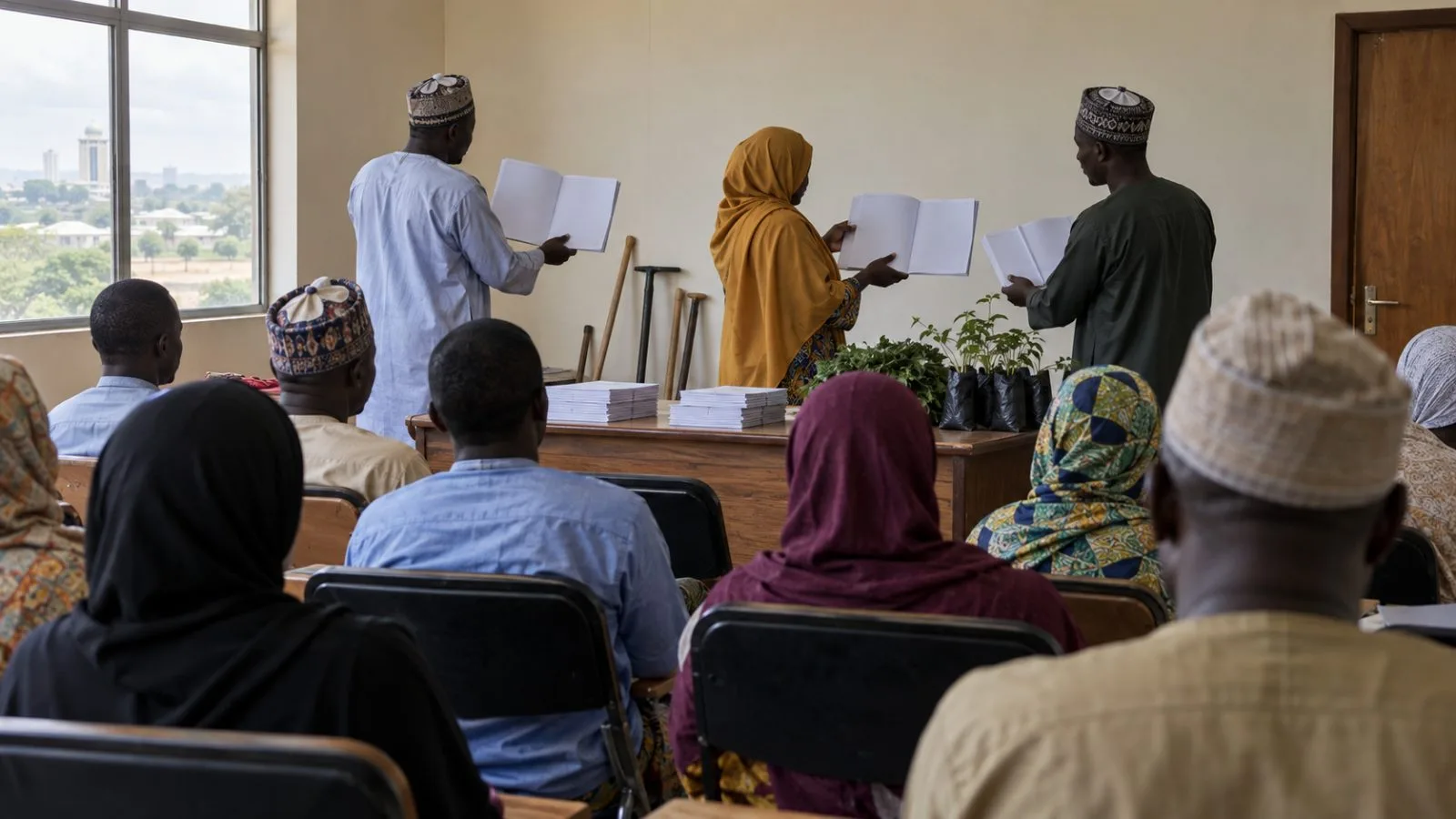
Under the announced model, theory would account for the remaining 20% of instruction. The ministry identified teaching farms and greenhouses as places for practical lessons, along with agricultural technology hubs and processing facilities. The proposed shift would give students more time to apply their training outside the classroom.
An April 2026 baseline analysis published by the National Board for Technical Education (NBTE) estimated that practical activity accounted for less than 30% of contact hours in the programs it examined. It identified gaps in digital agriculture, climate adaptation, export standards and food quality training. The analysis provided evidence for the curriculum review.
The NBTE document proposed practical shares of 60% to 70% for some course types. The government announced the 80% model at the later launch.
Minister of State for Education Suwaiba Said Ahmad urged institutions and industry partners to provide qualified instructors and equipment. She also called for workshops and opportunities for students to learn in workplaces.
The NBTE’s public register lists agricultural diploma curricula with an Oct. 1, 2026, review date. The register documents those reviews but does not show how much practical instruction institutions have delivered.
Alausa said the government would judge the reform by graduates’ practical competence, agricultural output and employment.