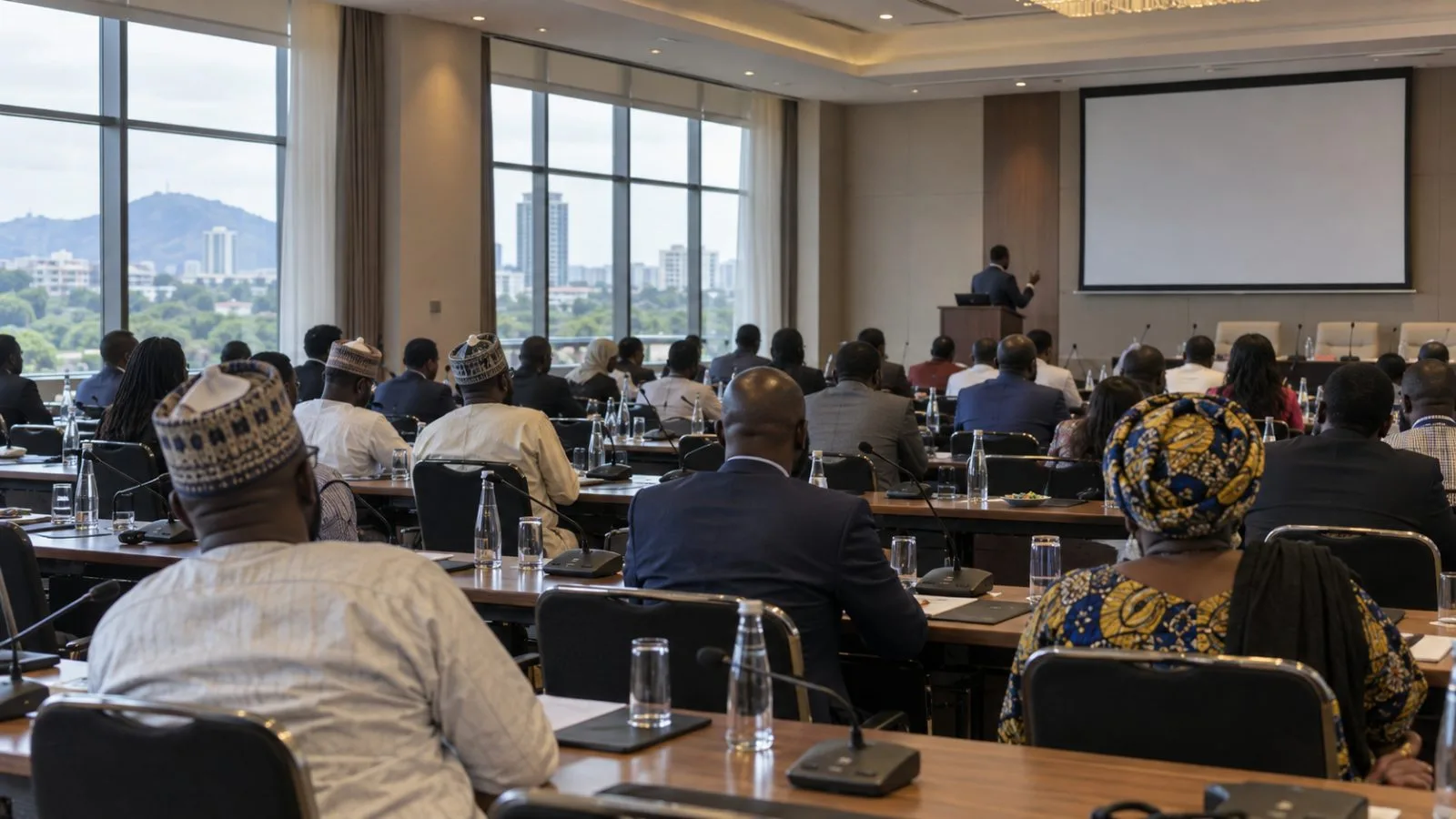
An Abuja forum brought Nigeria’s election officials, technology companies and civic groups together to examine safeguards against deceptive artificial intelligence content and election system risks before the country’s 2027 elections, organizer Yiaga Africa said.
Yiaga Africa published an outcome notice on Oct. 19. The forum agenda identified cloned voices, fabricated videos and targeted political messages as potential risks to voters. It also raised concerns about threats to voter registers and systems used to report results.
Nigeria already relies on digital tools in its elections. The Independent National Electoral Commission (INEC) uses biometric technology to accredit voters and posts scanned polling-unit result forms on a public portal, according to its election technology handbook.
INEC’s election technology policy calls for rigorous testing of AI used in voter accreditation, election monitoring and results collation. It also calls for human verification mechanisms to prevent automated errors from affecting election processes and outcomes. An INEC activity report dates the policy to May 2025; earlier coverage of INEC’s AI policy described its safeguards before the forum.
The policy says AI should support human decision-making. It calls for commission approval of a report after a pilot before nationwide rollout, though it sets no date for that review.
An International IDEA case study developed with electoral authorities dates INEC’s Artificial Intelligence Division to May 2025, within the commission’s ICT Department. It describes the unit as coordinating AI governance, technology investments and expertise.
Public confidence is another concern. A Yiaga Africa survey conducted in September interviewed 2,470 adults across Nigeria’s 36 states and the Federal Capital Territory. Its findings indicated that insecurity and distrust could keep some people who intend to vote from participating.
INEC revised an earlier election timetable after a new electoral law required changes. Its current calendar schedules presidential and National Assembly elections for Jan. 16, 2027, followed by governorship and state assembly elections on Feb. 6.