Health experts at Nigeria Health Watch’s Oct. 29-30 conference in Abuja urged policymakers to bring proven innovations into routine care, focusing on how research becomes practical services.
The conference carried the theme “From Innovation to Impact: The Future of Health is Now.” Nigeria Health Watch said the gathering would examine ways to extend health solutions beyond pilot settings. Its official agenda included a panel titled “Innovations That Save Lives Now,” and the organizer’s announcement listed 10 speakers, four innovation showcases and three side events.
Molecular geneticist Ify Aniebo said malaria parasite sequencing costs had fallen to about $20 per sample from about $150. She also said her team had developed a dashboard to help policymakers use malaria drug-resistance findings, the News Agency of Nigeria (NAN) reported.
A 2021 Grand Challenges project description named Aniebo as principal investigator for a proposed malaria-surveillance project. It said the planned work would sequence about 10,000 blood samples from children ages 6 to 59 months and create a dashboard to support decisions.
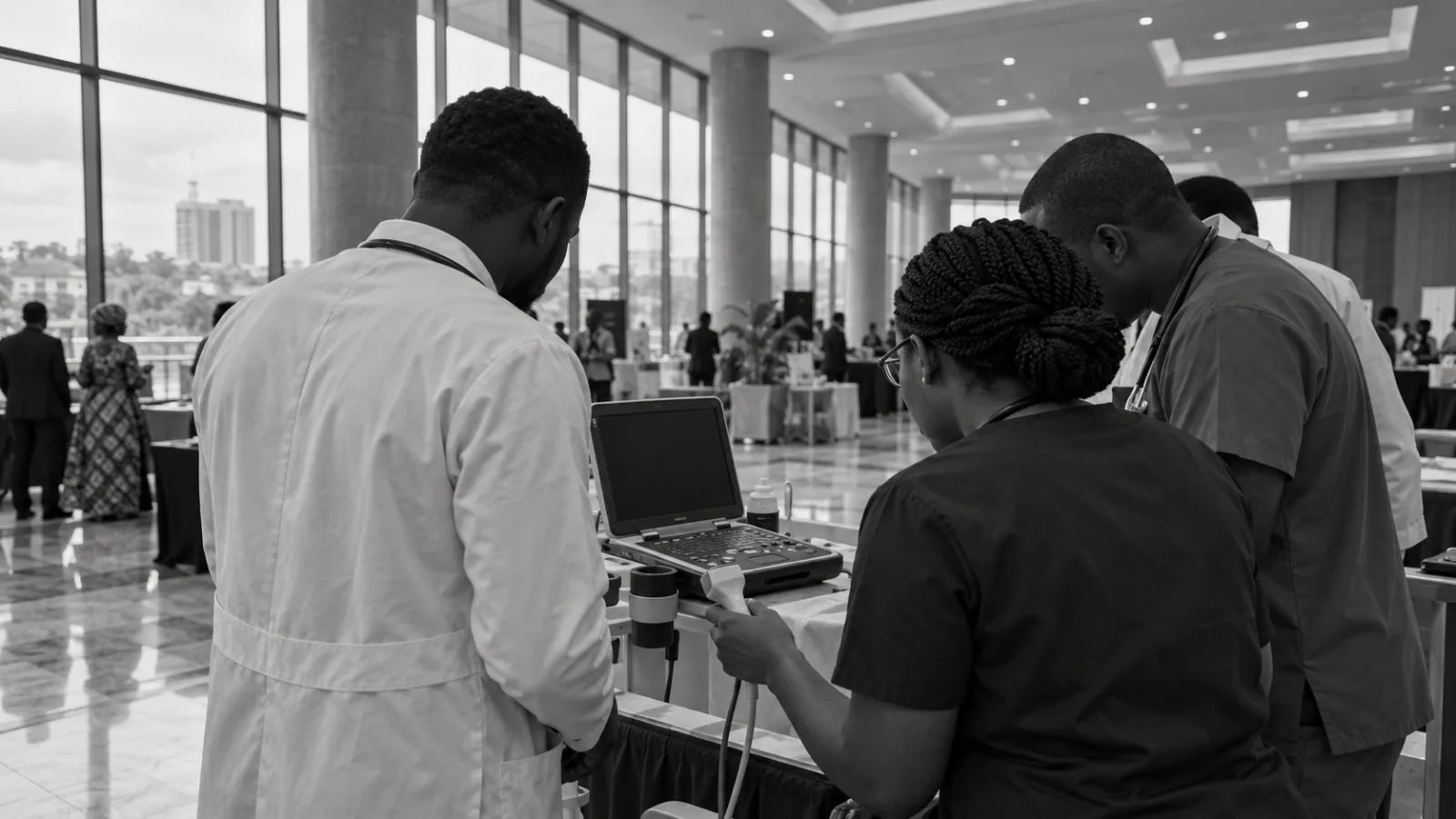
The conference’s official partner-showcase page listed Project HOPE as presenting on ways to widen access to point-of-care ultrasound at primary health-care centers. Nigeria Health Watch and BusinessDay described patients needing immediate care and underserved communities as intended beneficiaries of wider access.
Erasmus Morah, senior adviser to the director-general at the Africa Centres for Disease Control and Prevention (Africa CDC), called for coalitions involving political leaders and affected communities, NAN reported. He cited Nigeria’s HIV response as an example of why data should guide policy.
UNAIDS’ 2017 reporting put treatment coverage among people living with HIV in Nigeria at about 33%. A later national survey led by Nigeria’s government used revised methodology and estimated that 1.9 million people were living with HIV, UNAIDS reported.