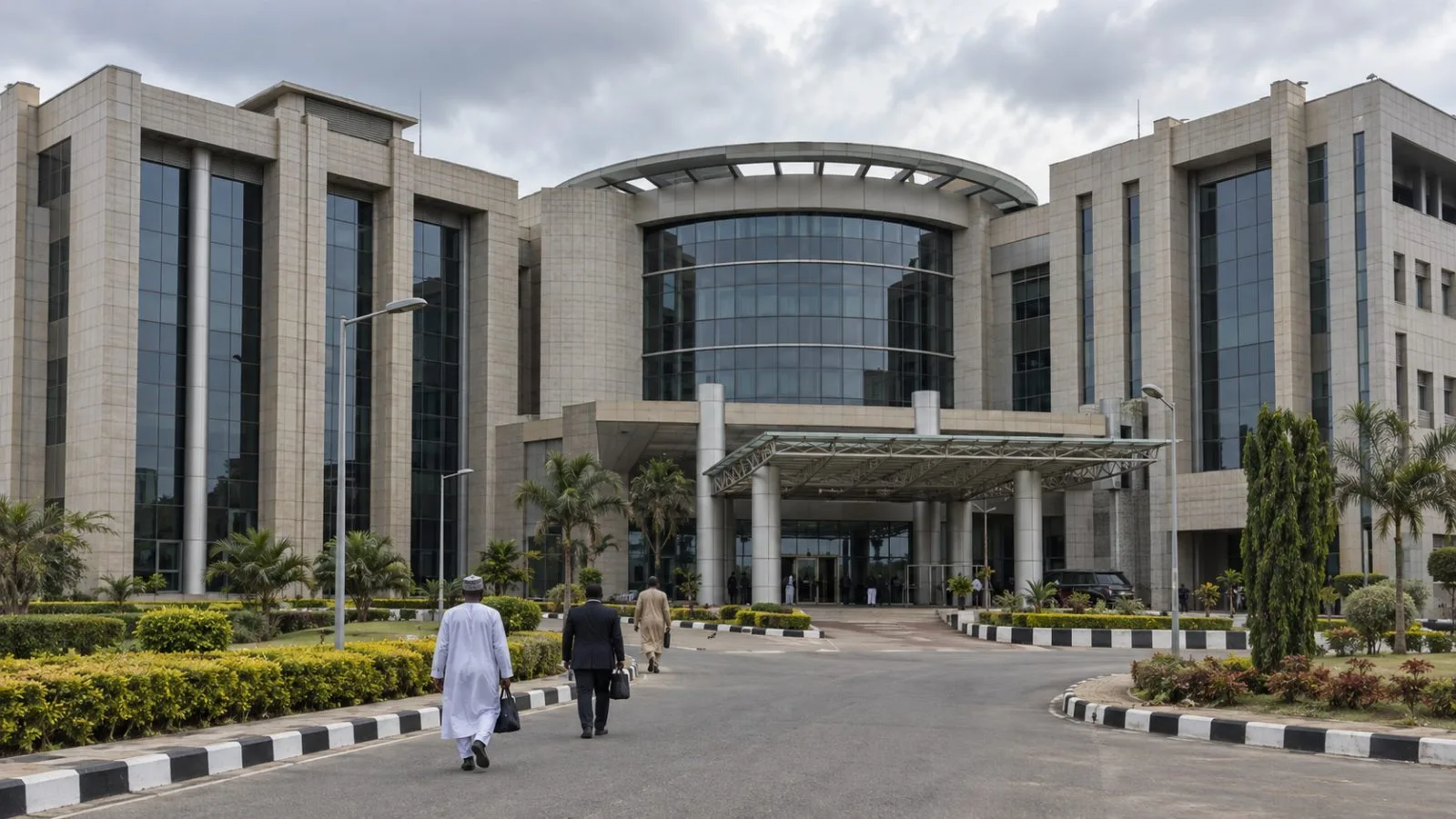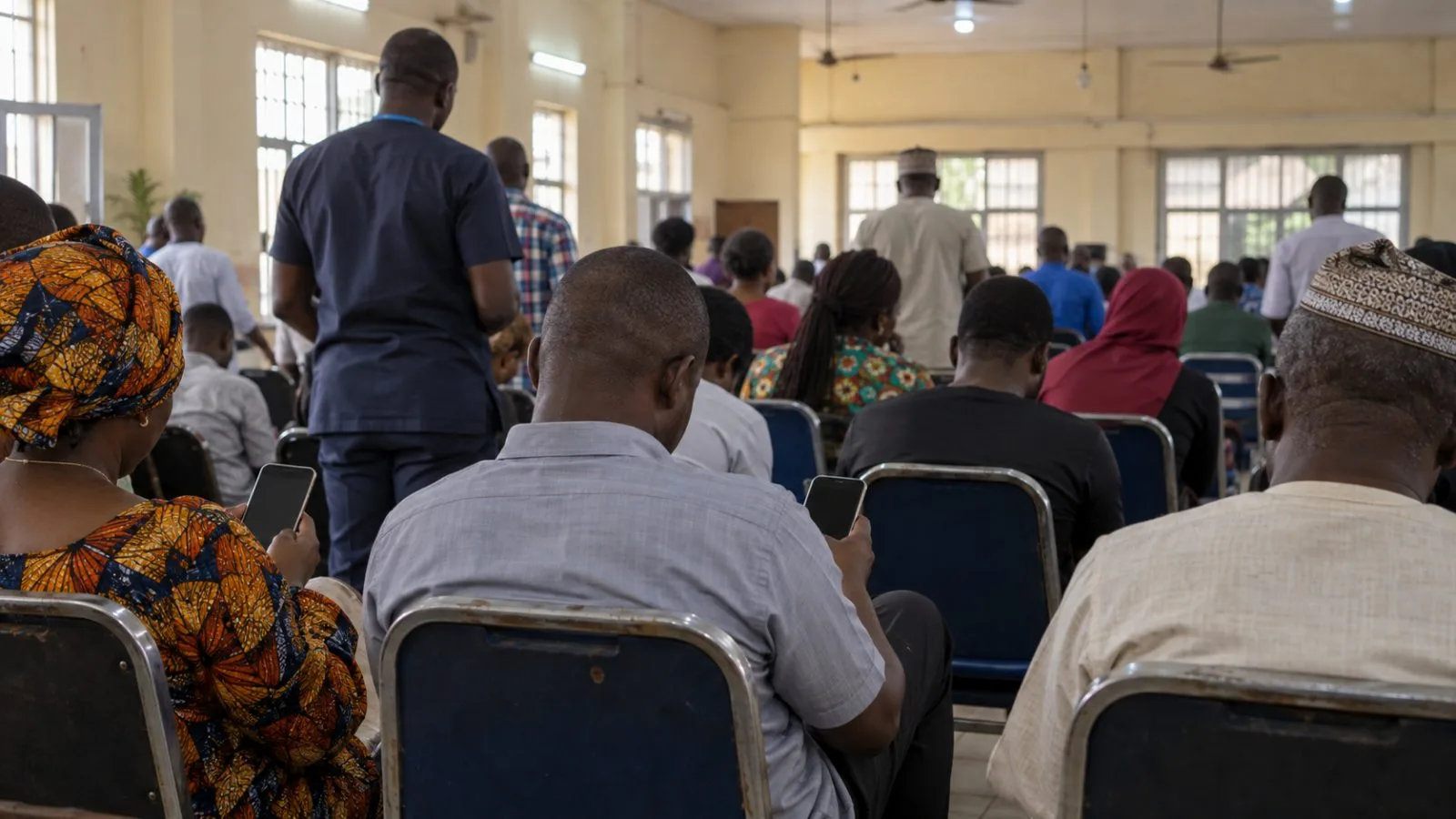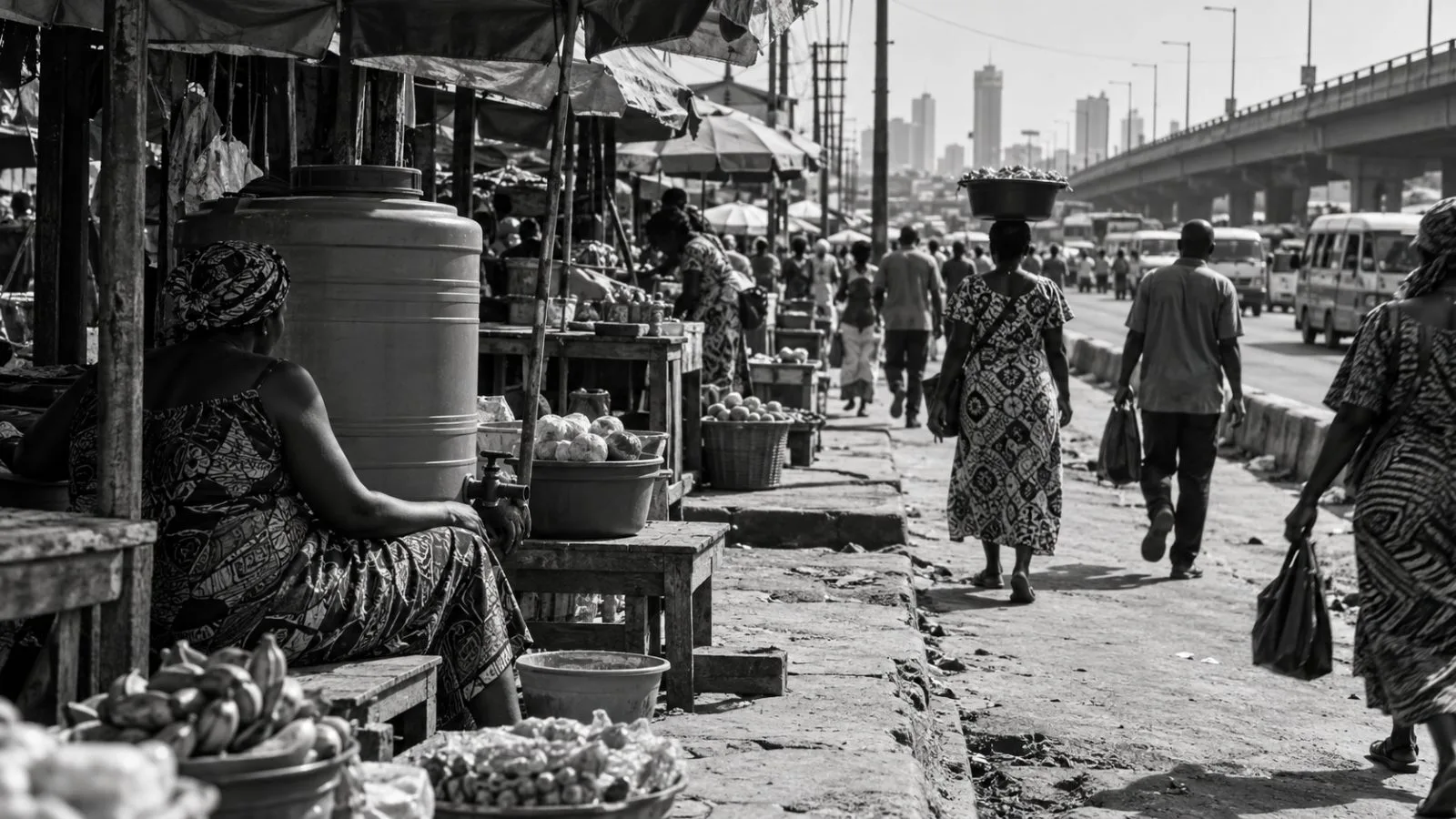
The Climate Impact Lab projects 31,400 additional heat-related deaths in Nigeria from September 2026 through February 2027, the highest country-level estimate in its analysis, putting the country’s electricity-access gap in sharper focus.
The projection compares the forecast period with the average for the same months from 1996 to 2025. It is an estimate of additional deaths, not a count of observed fatalities. The report does not give a Nigeria-specific uncertainty range.
Globally, the lab estimates 451,000 additional heat-related deaths from June 2026 through February 2027. For September through February, its estimate is 239,000, with an uncertainty range of 11,000 above or below that figure. The report also projects 44% more extremely hot days worldwide than in a normal year.
Sustainable Energy for All and Nigeria’s Energy Transition Plan each cite about 92 million Nigerians without electricity access. TheCable has reported a lower estimate of 87.3 million, leaving a difference between published figures. The government plan describes its figure as based on the latest data available but does not specify a reference year. The national estimates do not identify how many people without electricity live in areas where the model projects the most deaths.
Sustainable Energy for All says insufficient generation and grid constraints lead most Nigerian households, businesses and industries to supply at least some of their own electricity. BusinessDay reported that poorer households and outdoor workers have fewer ways to avoid heat, while generator fuel and self-supplied power add costs. The outlet quoted Joy Ogaji, chief executive of the Generators Association, describing the problem as “a transmission failure, not a generation failure.”
The World Meteorological Organization (WMO) expects El Niño to peak toward the end of 2026, with impacts continuing afterward. WMO forecasts tropical Pacific sea-surface temperatures could reach 3.8°C above average from November 2026 through January 2027. It says regional and national forecasts are needed to guide local action.