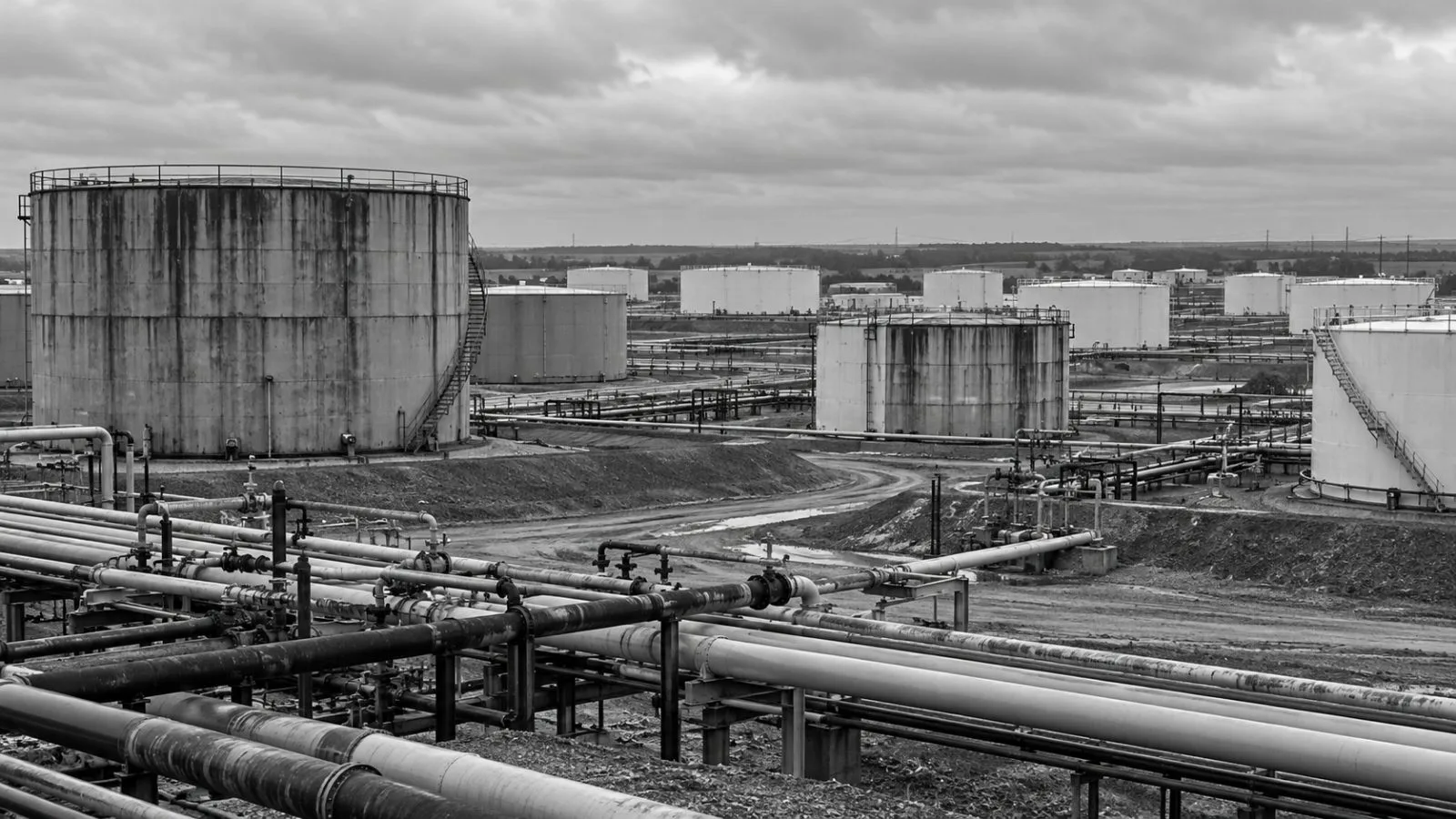
Nigeria’s crude output met or exceeded its OPEC quota for a fifth consecutive month in September, as combined production rose while businesses continued to face tight financing conditions.
The Nigerian Upstream Petroleum Regulatory Commission (NUPRC) said crude oil and condensate production averaged 1.717 million barrels per day in September, 2.34% above August. Crude oil alone averaged 1.53 million barrels per day, equal to 102% of Nigeria’s 1.5 million-barrel daily quota. NUPRC’s figures show the country stayed at or above its quota in every month from May through September.
The regulator linked September’s increase to more reliable operations at producing sites, improved protection for oil transport infrastructure, coordination with operators and continuing efforts to restart shut-in production.
NUPRC also said domestic refineries received more than 127 million barrels of Nigerian crude between January and September. The commission said Section 109 of the Petroleum Industry Act 2021 gives domestic refineries priority in crude allocation before exports. Production gains therefore do not, on their own, show how much crude was exported or how much foreign currency entered the economy.
PwC’s August 2026 outlook put gross foreign reserves at $51.46 billion in June, 38.3% higher than a year earlier, and reported an exchange rate of N1,379.68 per U.S. dollar. The firm projected 4.2% economic growth in 2026, citing higher crude production as one supporting factor, while describing financing for the private sector as tight.
Those indicators do not measure Nigerian banks’ foreign-currency exposures or establish that the risks have eased. PwC Nigeria Chief Economist Olusegun Zaccheaus, Partner and WMA Strategy& Leader, said the task was to deliver “better outcomes for households and businesses, higher productivity, investment and jobs.”
NUPRC has set a national production goal of three million barrels per day by 2030.