Marine and Blue Economy Minister Adegboyega Oyetola is urging investors to expand Nigeria’s catfish business, arguing that more local output could shrink a fish-supply gap largely covered by imports, BusinessDay reported.
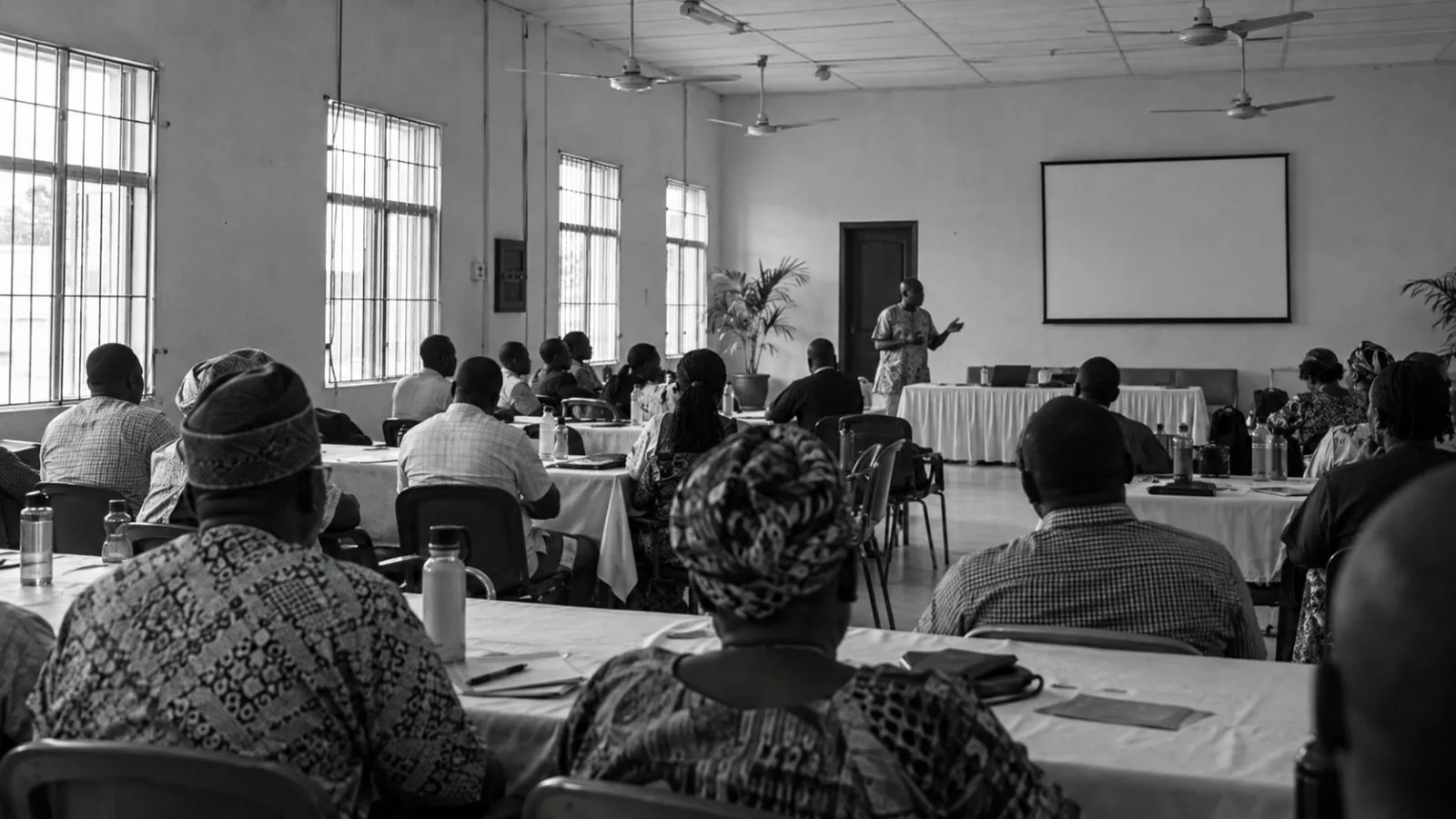
At a roundtable in Abuja, Oyetola said annual demand is about 3.6 million metric tons, compared with domestic production of about 1.4 million. That leaves a shortfall of roughly 2.2 million metric tons, filled mostly through imports. He described Nigeria as Africa’s second-largest aquaculture producer and a major producer of farm-raised African catfish.
The investment case reaches beyond fish farms. Oyetola pointed to hatcheries, feed mills and equipment makers as production businesses, with transport and cold-chain services supporting distribution. Processing and trading offer further opportunities, he said.
He cited high feed and energy costs, uneven access to quality fingerlings, weak fish-health management and biosecurity, and limited processing and cold-chain capacity as barriers to growth. Oyetola said those constraints also open opportunities in feed production, modern hatcheries, processing facilities and logistics.
For lenders, he called for credit terms that fit fish-farming economics, including the timing of disbursements, repayment schedules and borrowing costs. Financing that fails to account for farms’ production cycles and cash flows can hold back viable businesses, he said.
BusinessDay reported that the FISH4ACP program has supported work on alternative feed ingredients, hatchery and broodstock improvements, business development and digital farm management. The report identified the Food and Agriculture Organisation as the program’s implementer and the European Union and German government as funders.
Oyetola said federal officials would coordinate with state governments, regulators and private companies to make the sector easier to operate. He also called for development finance institutions to support affordable financing, research, better data, quality assurance and technical assistance. Aquaculture clusters and cooperatives, he said, can cut costs by sharing infrastructure and services; he also urged greater participation by women, young people and small and medium-scale enterprises.
The appeal follows Oyetola’s earlier statement that the World Bank Group had committed $200 million for state-developed fisheries and aquaculture projects.